Harmony and Functionality: Integrating Minimalist Lifestyle into Interior Decoration
The Allure of Minimalism in Interior Design
In today’s fast-paced and often overwhelming society, many individuals are seeking refuge in the principles of minimalism. This lifestyle advocates for a simpler approach, focusing on what is essential and valuable in our spaces. Embracing a minimalist interior design not only cultivates a peaceful atmosphere but also reflects a philosophy of life that prioritizes harmony and functionality.
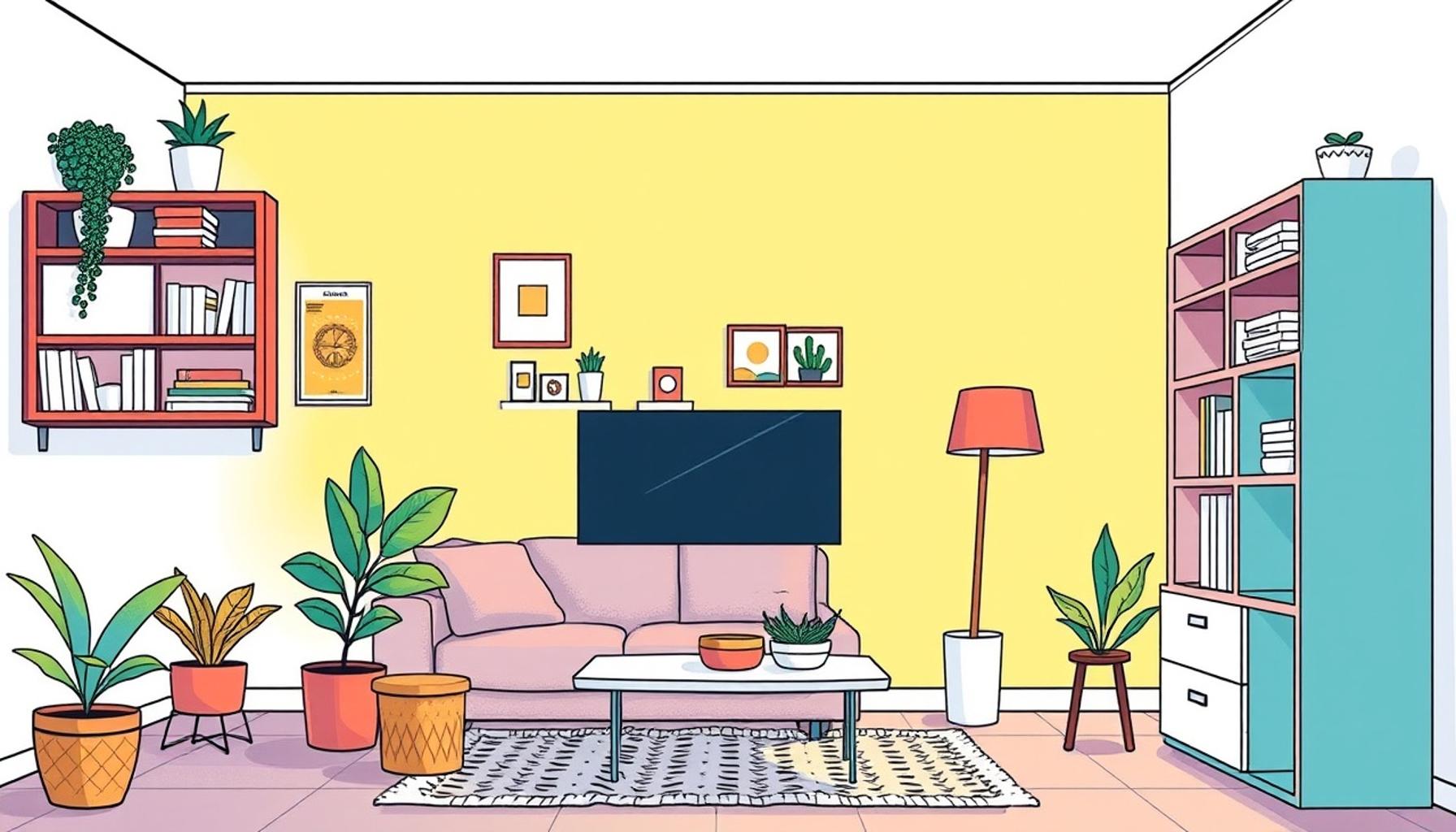
Minimalist interior decoration transforms any dwelling into a tranquil sanctuary. The core tenets of this aesthetic include:
- Decluttered Spaces: The notion of “less is more” is central to minimalism. By removing unnecessary items, families can achieve an uncluttered environment that promotes mental clarity and reduces stress. For instance, instead of crowded countertops, opt for carefully chosen appliances that serve daily needs.
- Natural Light: Harnessing natural light is essential in minimalist design. Large windows or open layouts not only create the illusion of a larger space but also enhance moods and increase productivity. An inviting space bathed in sunlight encourages relaxation and social interaction.
- Neutral Color Palettes: Minimalist designs favor soft, muted tones—think whites, greys, and soft earth colors. These palettes create a cohesive look that is both soothing and visually expansive, making rooms feel airy and calm.
By adopting minimalist principles, homeowners can cultivate environments that are intentional and aesthetically pleasing. Across the United States, minimalism is gaining traction, with many individuals discovering the benefits of this approach through:
- Functional Furniture: Select furnishings that serve dual purposes, such as a coffee table with built-in storage. This approach not only saves space but also enhances utility, making smaller living areas feel more expansive.
- Thoughtful Decor: In a minimalist home, every decorative item plays a significant role. Consider unique art pieces or family heirlooms that spark joy and tell a story, rather than collecting trinkets that lack purpose.
- Sustainable Materials: The minimalist lifestyle often intersects with eco-friendliness. By choosing sustainable materials, such as reclaimed wood or organic textiles, individuals can contribute to environmental well-being while maintaining the essence of minimalism.
Ultimately, the journey into minimalism is not merely a design choice; it is a holistic approach that enhances overall well-being. As this article unfolds, readers will uncover practical tips and inspiring examples that illustrate how minimalism can be seamlessly integrated into modern interior decoration. Whether you live in a compact urban apartment or a spacious suburban home, the principles of minimalism offer transformative potential for every space.
Embracing Minimalism: Keys to a Balanced Home Environment
Adopting a minimalist interior design requires more than just following a trend; it’s about cultivating a harmonious atmosphere that promotes functionality and intention. Each element in this design philosophy should enhance the overall experience of the space while maintaining a sense of calm and order. By integrating minimalist principles into interior decoration, homeowners can create a living space that is not only aesthetically pleasing but also deeply functional.
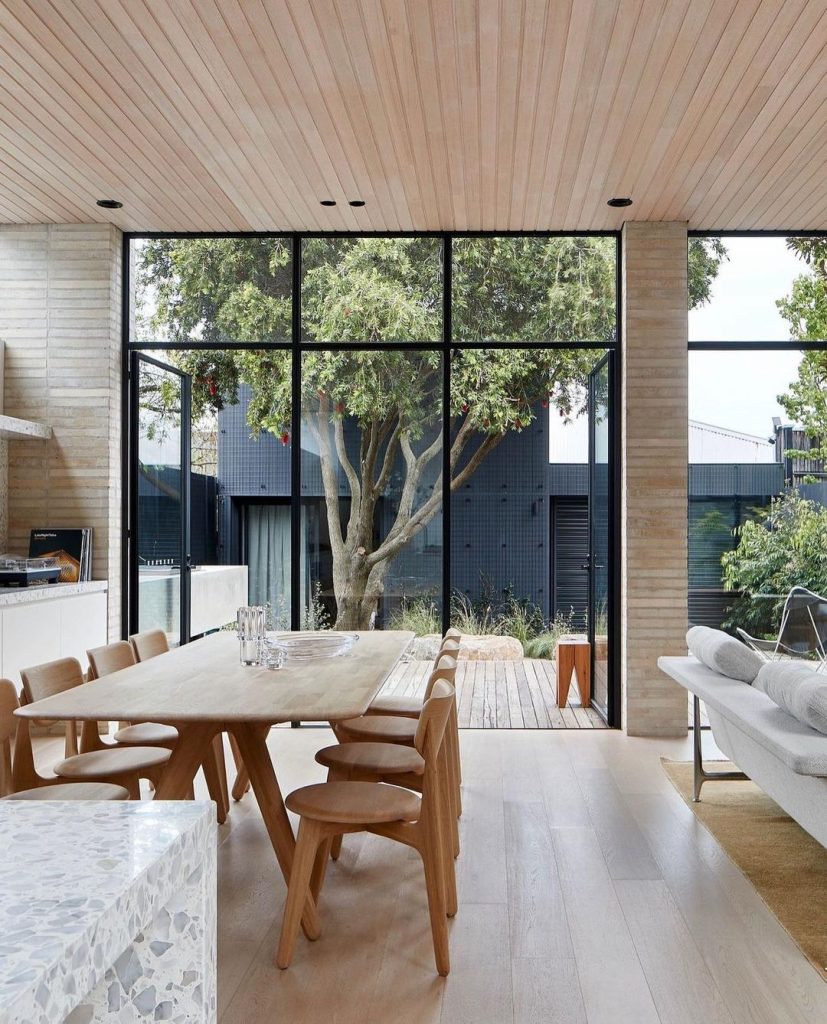
One effective way to achieve this harmony is through the consideration of spatial arrangement. Open floor plans allow for fluid movement and interaction, lending a sense of freedom to everyday activities. For those living in urban environments, where space often comes at a premium, utilizing an open layout can make even the coziest apartments feel expansive. A thoughtfully designed layout can also facilitate social interactions, as it promotes a welcoming atmosphere that encourages connection.
Incorporating Nature into Your Space
Integration of natural elements into a minimalist design enhances both aesthetics and well-being. Introducing indoor plants, for example, not only adds vitality but also purifies the air, promoting a healthier indoor environment. The presence of greenery alongside natural textures, such as wood or stone, creates a gentle balance with the more streamlined elements of modern design. As homeowners explore how to create harmony within their interiors, considering how nature interacts with their design choices is essential.
Mindful Color Choices
Color plays a pivotal role in minimalist spaces. The right neutral color palette can create an expansive backdrop that enhances the overall tranquility of a room. Light shades—like creamy whites or soft taupes—can open up small areas, making them feel larger and more inviting. In contrast, pop of color may be introduced sparingly, serving as focal points that draw the eye without overwhelming the senses. This approach empowers homeowners to maintain a cohesive, peaceful environment while allowing for personal expression through selective accent colors.
- Simplified Artwork: Minimalist design encourages the use of significant art pieces that evoke emotion and provoke thought. Investing in a few captivating artworks can serve as statements and enhance the overall aesthetic.
- Functional Accessories: Choose accessories that not only contribute to the decor but also serve a purpose, such as decorative bowls that can hold keys or coasters that protect surfaces.
- Quality Over Quantity: In embracing minimalism, it’s crucial to prioritize high-quality items over large quantities. Opting for fewer, well-crafted pieces can elevate the overall appeal and reflect personal style.
As individuals continue to explore the minimalist lifestyle, the integration of these core principles into interior decoration becomes apparent. By focusing on harmony and functionality, homeowners can create spaces that not only reflect their tastes but also improve their quality of life. Through mindful arrangements and thoughtful selections, anyone can cultivate a calming sanctuary that embodies the essence of minimalism, leading to a more fulfilled and balanced existence.
Harmony and Functionality: Integrating Minimalist Lifestyle into Interior Decoration
The minimalist lifestyle not only emphasizes simplicity but also showcases the intrinsic harmony that can be achieved in interior decoration. This approach encourages individuals to actively engage with their surroundings, making deliberate choices that elevate their living spaces.
One of the essential aspects of adopting a minimalist aesthetic is the ability to create open, clutter-free environments. This tranquility contributes to emotional well-being by reducing stress and promoting clearer thinking. Interior spaces that prioritize functionality alongside aesthetic appeal facilitate a seamless living experience where every piece has both purpose and significance.
| Advantages | Details |
|---|---|
| Enhanced Mental Clarity | A minimalist approach declutters physical spaces, thus promoting sharper focus and creativity. |
| Sustainable Living | By prioritizing quality over quantity, minimalist decoration encourages sustainable choices in materials and products. |
Moreover, incorporating multi-functional furniture reflects the essence of both harmony and functionality. For example, a coffee table that doubles as a storage unit utilizes space efficiently while adding to the aesthetic appeal. This progressive approach not only enhances daily living but also exemplifies a commitment to sustainable design.
As you explore the myriad benefits and approaches of integrating a minimalist lifestyle into interior decoration, consider how your choices resonate with the principles of harmony and functionality. Each decision renders meaningful impact, creating spaces that are reflective of one’s values and lifestyle.
Creating Functional Spaces: The Role of Storage Solutions
In a minimalist home, achieving harmony also hinges on the effective use of storage solutions. Clutter can disrupt the serene environment that minimalism seeks to create, making it vital for homeowners to invest in clever and efficient storage. By utilizing hidden storage options—such as under-bed drawers, built-in cabinets, or multi-functional furniture—individuals can maintain a clean and open aesthetic. These features allow residents to keep their essentials close at hand while ensuring that the visual space remains uncluttered.
Additionally, customizing built-in shelves can provide a seamless integration of functionality and design. Floating shelves or wall-mounted units not only maximize vertical space but also offer opportunities to display selected decor items or books, reinforcing the minimalist ethos of curated simplicity. Such tailored solutions encourage practicality while aligning with the overarching goal of achieving harmony in the home.
Mindful Selection of Materials
The choice of materials in a minimalist space can significantly impact both aesthetics and longevity. Focusing on sustainable materials not only complements the minimalist philosophy but also resonates with a growing audience seeking environmental responsibility. For example, opting for bamboo flooring or reclaimed wood pieces can create a warm, inviting atmosphere while minimizing the carbon footprint. Moreover, such choices promote durability—ensuring that the investment in home decoration withstands the test of time.
Furthermore, incorporating materials such as glass or metal adds a contemporary flair while maintaining an airy feel. Transparent furniture pieces, like glass coffee tables or acrylic chairs, can help to visually expand a space, allowing light to flow freely and creating a sense of openness. This subtle interplay between materials promotes the balance necessary for minimalism without compromising on style.
Utilizing Natural Light
The presence of natural light is a crucial component of any minimalist design. Large windows, skylights, and strategically placed mirrors can enhance the flow of light, fostering a sense of openness and connection to the outdoors. Natural light not only elevates the mood in a space but also reduces the reliance on artificial lighting, contributing to energy savings and environmental sustainability. In fact, studies show that homes flooded with natural light can improve productivity and well-being, making it a key aspect of an optimal living environment.
To further enhance this phenomenon, consider using light, sheer curtains that soften harsh sunlight while still allowing abundant light to penetrate. This approach retains privacy without detracting from the essence of minimalism—where simplicity prevails even in window treatments. Careful selection of window designs that frame scenic views outside can bring an element of nature into the home, reinforcing that symbiotic relationship between indoor and outdoor spaces.
- Layered Lighting: Combine ambient, task, and accent lighting to create a dynamic atmosphere. This layered approach ensures that each space serves its purpose effectively while contributing to the minimalist aesthetic.
- Functional Layouts: Consider rethinking the layout of spaces for better functionality. Open shelving in kitchens and organized workspaces can make daily tasks more efficient while keeping the design minimal.
- Personal Touches: Minimalism doesn’t mean sacrificing individual style. Choose a few personal items—like photographs or keepsakes—that resonate emotionally, but showcase them sparingly to maintain a clean look.
As the movement towards minimalism continues to gather momentum, understanding how to refine both harmony and functionality in interior decoration becomes essential. Homeowners can draw from various principles that allow them to construct living environments that echo serenity while embracing practicality and personal expression. This exploration into minimalist design not only influences the physical spaces we inhabit but also emphasizes the profound connection between our surroundings and overall well-being.
Conclusion: Embracing Minimalism for a Harmonious Home
In the quest for a tranquil and organized living environment, the integration of a minimalist lifestyle into interior decoration is a journey worth pursuing. By focusing on harmony and functionality, homeowners can transform their spaces into sanctuaries that reflect personal tastes while eliminating clutter. The principles of minimalism encourage a thoughtful approach to design, emphasizing the importance of quality over quantity, and leading to a more mindful selection of materials and furnishings.
Effective storage solutions, sustainable material choices, and an abundance of natural light work together to create spaces that are both aesthetically pleasing and practical. The art of layering light and rethinking spatial layouts enhances not only the functionality of a home but also its ability to foster emotional well-being. By incorporating personal touches judiciously, individuals maintain individuality even within a minimalistic framework, proving that simplicity does not equate to sacrifice.
As the minimalist movement continues to gain traction, its principles can serve as a guiding compass for anyone seeking to cultivate a serene and efficient home. With a commitment to thoughtful design, today’s homeowners are positioned to explore the profound benefits of minimalism—achieving not merely a decorated space but an environment conducive to serenity, clarity, and well-being. As you embark on your own journey towards embracing minimalism, remember that every choice you make contributes not only to your home’s beauty but also to the peace you cultivate within it.
Related posts:
Transforming Your Home: Creative Ideas for Space Optimization with Minimalist Principles
Maximizing Small Spaces: Minimalist Organization Techniques for Compact Apartments
The Impact of Minimalism on Mental Health: Creating Calm and Organized Environments
Creating Functional Environments: Space Optimization Strategies Inspired by Minimalism
Maximizing Small Spaces: Space Optimization Strategies in Minimalist Environments
The Art of Letting Go: How Minimalism Facilitates Space Optimization at Home

Linda Carter is a writer and organization expert specializing in minimalism and personal organization. With extensive experience helping individuals create clutter-free, functional spaces and adopt mindful habits, Linda shares her knowledge on our platform. Her goal is to empower readers with practical advice and strategies to simplify their lives, stay organized, and achieve a sense of calm and balance in their daily routines.