The Impact of Minimalism on Mental Health: Creating Calm and Organized Environments

The Transformative Power of Minimalism on Mental Health
In today’s fast-paced world, the quest for mental clarity has led many individuals to embrace minimalism. This lifestyle choice extends beyond mere aesthetics; it promises a profound impact on mental health by fostering calm and organized environments. But how exactly does decluttering our spaces influence our minds? Minimalism is not just a trend; it’s an evolving philosophy that aims to simplify our lives by reducing the noise of material possessions.
Minimalism encourages a simplified lifestyle centered around:
- Reduced Stress: Studies indicate that environments filled with clutter can trigger stress and anxiety. Fewer possessions can lead to less decision fatigue, as individuals face fewer distractions and challenges in their daily routines, creating a sense of enhanced tranquility.
- Increased Focus: An organized space can significantly boost productivity. For instance, students studying in tidy environments often report better concentration and retention of information. The reduction of visual and environmental distractions allows individuals to dive deeper into their tasks.
- Enhanced Creativity: A clear environment frequently nurtures innovative thinking, allowing ideas to flow freely. Creatives, from artists to writers, often find that a decluttered space helps them tap into their imagination more profoundly.
Research suggests that those who adopt minimalism often report significant changes in their emotional well-being. Features of a minimalist lifestyle include:
- Intentional Living: By prioritizing quality over quantity, individuals can lead more meaningful experiences. This shift can manifest in various ways, from choosing fewer but more meaningful relationships to enjoying curated experiences that resonate with their values.
- Mindfulness: Focusing on the present moment becomes easier in a clutter-free space. Mindfulness practices, such as meditation, can be more effective when there’s less chaos around, allowing individuals to immerse themselves fully in the now.
- Improved Relationships: With less physical clutter, individuals can cultivate deeper connections with others. The mental space freed from constant possessions allows for greater emotional investment in interpersonal relationships.
As we delve deeper into the impact of minimalism on mental health, it becomes essential to understand what steps can be taken to create an oasis of calm. Simple practices such as adopting the “one in, one out” rule, setting designated spaces for belongings, and regularly assessing the necessity of items can lead to a more minimalist environment. Additionally, the act of decluttering itself can be cathartic, prompting individuals to reflect on their relationships with material possessions.
Could this transformative approach be the key to achieving a happier and more balanced life? As minimalism gains traction across various social media platforms and blog communities, its advocates claim not only to reclaim their spaces but also to find joy and clarity amidst life’s complexities. The potential for minimalism to impact mental health warrants further exploration and understanding, making it a fascinating area for individuals interested in personal growth and well-being.
Understanding Minimalism: A Pathway to Mental Clarity
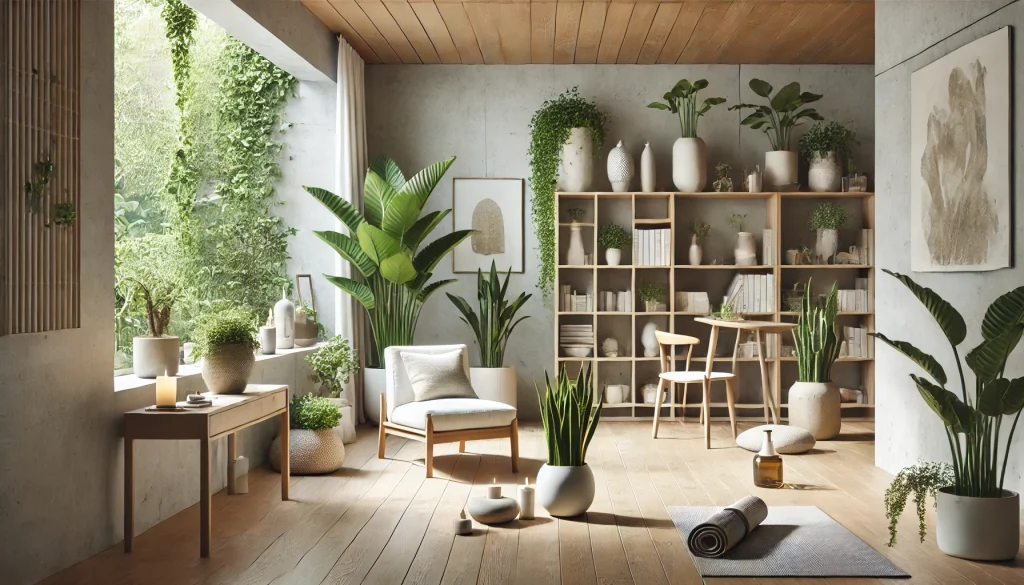
At its core, minimalism is about making conscious choices that lead to a simplified existence. By decluttering physical spaces, individuals can also unburden their minds from the weight of excess. This connection between our environments and mental states has been studied extensively, revealing how our surroundings can either enhance or hinder mental well-being.
One of the primary benefits of embracing a minimalist lifestyle is its potential to foster an atmosphere of calmness and peace. Numerous studies have highlighted a direct correlation between cluttered environments and increased levels of stress. For many, the act of seeing and managing a multitude of possessions can lead to feelings of anxiety and overwhelm. Creating a minimalist environment, therefore, can serve as a form of therapy, allowing the mind to feel more centered and focused.
Moreover, the process of decluttering typically elevates one’s sense of control. When people take the time to assess their possessions and make intentional choices about what to keep, they often report feeling more empowered in other areas of their lives. This newfound sense of control can lead to improvements in mental health, allowing individuals to navigate everyday challenges with greater resilience.
The Psychology Behind Minimalism
The psychological impact of minimalism extends beyond just reducing stress and anxiety; it also influences coherence in everyday life. The act of simplifying one’s space encourages a mindful approach to living—forcing individuals to confront their relationship with belongings and the narrative they create around them. This introspection can be transformative, leading to a more intentional and purposeful existence.
Incorporating minimalist principles into one’s lifestyle can also significantly enhance focus and productivity. Research has shown that individuals who work in organized, clutter-free spaces are often more productive and creative. This could be attributed to the reduction of cognitive load; with fewer distractions caused by physical clutter, the brain can allocate more resources to tackling tasks effectively. For example, a study by the National Institute of Health found that individuals who adopted minimalist work environments reported higher satisfaction and output in their professional tasks.
- Increased Mental Clarity: A clean space can lead to a clearer mind, allowing for better decision-making and problem-solving skills.
- Boosted Emotional Resilience: Minimalism fosters a proactive mindset, which is essential in coping with stressors and daily challenges.
- Heightened Productivity: By minimizing distractions, one can channel energy and focus towards achieving goals with greater efficiency.
As individuals explore the myriad benefits of minimalism, many are surprised to discover just how profoundly their emotional and mental landscapes can change. The decision to simplify one’s environment often serves as a catalyst for deeper personal reflection and growth, encouraging a holistic approach to well-being. Ultimately, minimalism provides not just a way to organize our spaces, but an opportunity to cultivate a life of meaning and intention—one that resonates with our core values and aspirations.
| Advantage | Description |
|---|---|
| Reduced Stress Levels | Minimalist spaces promote mental clarity, leading to lower anxiety and stress |
| Enhanced Focus | An organized environment facilitates concentration, aiding productivity and creativity. |
The essence of minimalism revolves around creating an atmosphere that supports mental wellness. For instance, a clear, decluttered desk can significantly enhance one’s focus and encourage efficient work patterns. Studies suggest that spaces with minimal distractions allow our minds to engage fully with the tasks at hand, improving overall productivity. Additionally, a simplified environment reduces stress-triggering visual clutter, which is often linked to feelings of being overwhelmed.Furthermore, the art of minimalism fosters a more mindful existence. By carefully curating the items we surround ourselves with, we can establish a sense of ownership that resonates with our personal values. These curated spaces not only help establish emotional comfort but also enhance a person’s capacity for making conscious choices, leading to greater feelings of empowerment and control. As individuals explore the connection between minimalism and mental health, they may discover profound transformations in their daily lives, inviting a deeper understanding of both their space and state of mind. Through mindful practices and intentional living, the benefits of minimalist designs extend far beyond aesthetics, creating an oasis of calm where mental clarity can thrive.
The Transformative Power of Minimalism on Daily Life
Minimalism’s influence on mental health transcends mere aesthetics; it permeates various aspects of daily life, reshaping the way individuals interact with their surroundings and themselves. By creating calm and organized environments, minimalism promotes a sense of stability and predictability, which can be particularly beneficial in an increasingly chaotic world.
One of the key aspects of minimalism is its emphasis on intentionality. By encouraging individuals to focus on what truly matters, minimalism empowers people to prioritize their needs over consumer-driven impulses. This might involve reassessing priorities, whether in terms of physical possessions or time commitments, which often leads to a more balanced and fulfilling lifestyle. According to a study published in the Journal of Environmental Psychology, individuals who reported a more organized living space also indicated higher levels of life satisfaction and a decrease in emotional distress.
Minimalism and Social Connections
Interestingly, minimalism can enhance social connections and relationships. As people declutter their environments, they often find that they have more time and energy to spend with loved ones. By reducing distractions and simplifying schedules, individuals can cultivate deeper relationships, enhancing their support networks—an essential component of mental health. A vibrant social network is often cited as a critical factor in resilience and overall well-being; thus, minimalism’s emphasis on quality over quantity resonates in social contexts as well.
- Enhanced Focus on Relationships: With fewer distractions, individuals can engage more fully in conversations and experiences with others, nurturing meaningful connections.
- Quality Time Over Material Wealth: Minimalism encourages prioritizing experiences and relationships over purchasing things, fostering a definitive sense of fulfillment.
- Less Chaos, More Community: A more organized environment often leads to an increased desire to share and enhance community ties, resulting in a stronger sense of belonging.
Moreover, minimalism’s impact can also be seen in mental health clinics and therapeutic practices across the United States. Many mental health professionals advocate for minimalist strategies to help patients manage symptoms of anxiety and depression. For instance, therapeutic approaches like cognitive-behavioral therapy (CBT) integrate decluttering techniques as part of the healing process, encouraging clients to confront and release emotional attachments to items that may be burdensome.
Cultivating Mindfulness through Minimalism
Another dimension of minimalism that is closely tied to mental health is its intrinsic link to mindfulness. By engaging in a minimalist lifestyle, individuals often find themselves more present and aware of their surroundings, which can mitigate feelings of stress and anxiety. The practice of mindfulness—being fully engaged in the moment—can be significantly enhanced in a decluttered environment. In such spaces, individuals are more likely to notice and appreciate their experiences, whether it be sipping a cup of coffee or savoring a quiet moment of reflection.
In fact, university studies have shown that individuals who practice minimalism report lower levels of emotional disturbance and greater resilience against stress. This is particularly significant in high-stress environments such as cities or workplaces, where distractions and sensory overload are prevalent. In these contexts, creating an oasis of calm through minimalism can be transformative, providing mental clarity and space for growth.
Ultimately, embracing minimalism not only aligns one’s living environment with personal values, but it also serves as a catalyst for improving mental health and emotional well-being. Through the lens of minimalism, individuals can redefine their lives and pursue paths toward greater happiness and balance.
Conclusion: The Lasting Benefits of a Minimalist Approach
The exploration of minimalism reveals its profound capacity to influence mental health positively by fostering calm and organized environments. As we have seen, minimalism extends beyond decluttering physical spaces — it reshapes mindsets and interactions, encouraging intentional living. The ability to focus on what truly matters in both possessions and relationships allows individuals to cultivate peace of mind and emotional resilience.
In today’s fast-paced world, where distractions abound, the principles of minimalism offer a powerful antidote to chaos. By simplifying their environments, individuals not only enhance their focus and productivity but also nurture deeper social connections. The outcome is a holistic improvement in well-being, as relationships, mindfulness, and emotional health all flourish in spaces free from excess.
Moreover, the integration of minimalist strategies in therapeutic practices demonstrates their validity in mental health treatment. Professionals are increasingly recognizing the benefits of decluttering and mindfulness as tools for alleviating anxiety and fostering a sense of control. This emerging field underscores the importance of creating environments that align with mental health goals.
As we navigate our lives amidst increasing pressures, adopting a minimalist philosophy can serve as a vital step towards achieving mental clarity and emotional balance. The journey towards minimalism opens up a world where less truly becomes more, allowing individuals to focus on meaningful experiences rather than material possessions. Embracing minimalism might just lead to a happier, healthier existence, making it a worthy exploration for anyone interested in enhancing their mental health.
Related posts:
Minimalism and Sustainability: Strategies for Creating Ecological and Functional Spaces
Harmony and Functionality: Integrating Minimalist Lifestyle into Interior Decoration
The Art of Letting Go: How Minimalism Facilitates Space Optimization at Home
Smart Storage Solutions: Multifunctional Furniture for Minimalist Environments
Minimalism in the Office: How to Organize Your Workspace to Increase Productivity
Creating Functional Environments: Space Optimization Strategies Inspired by Minimalism

Linda Carter is a writer and organization expert specializing in minimalism and personal organization. With extensive experience helping individuals create clutter-free, functional spaces and adopt mindful habits, Linda shares her knowledge on our platform. Her goal is to empower readers with practical advice and strategies to simplify their lives, stay organized, and achieve a sense of calm and balance in their daily routines.