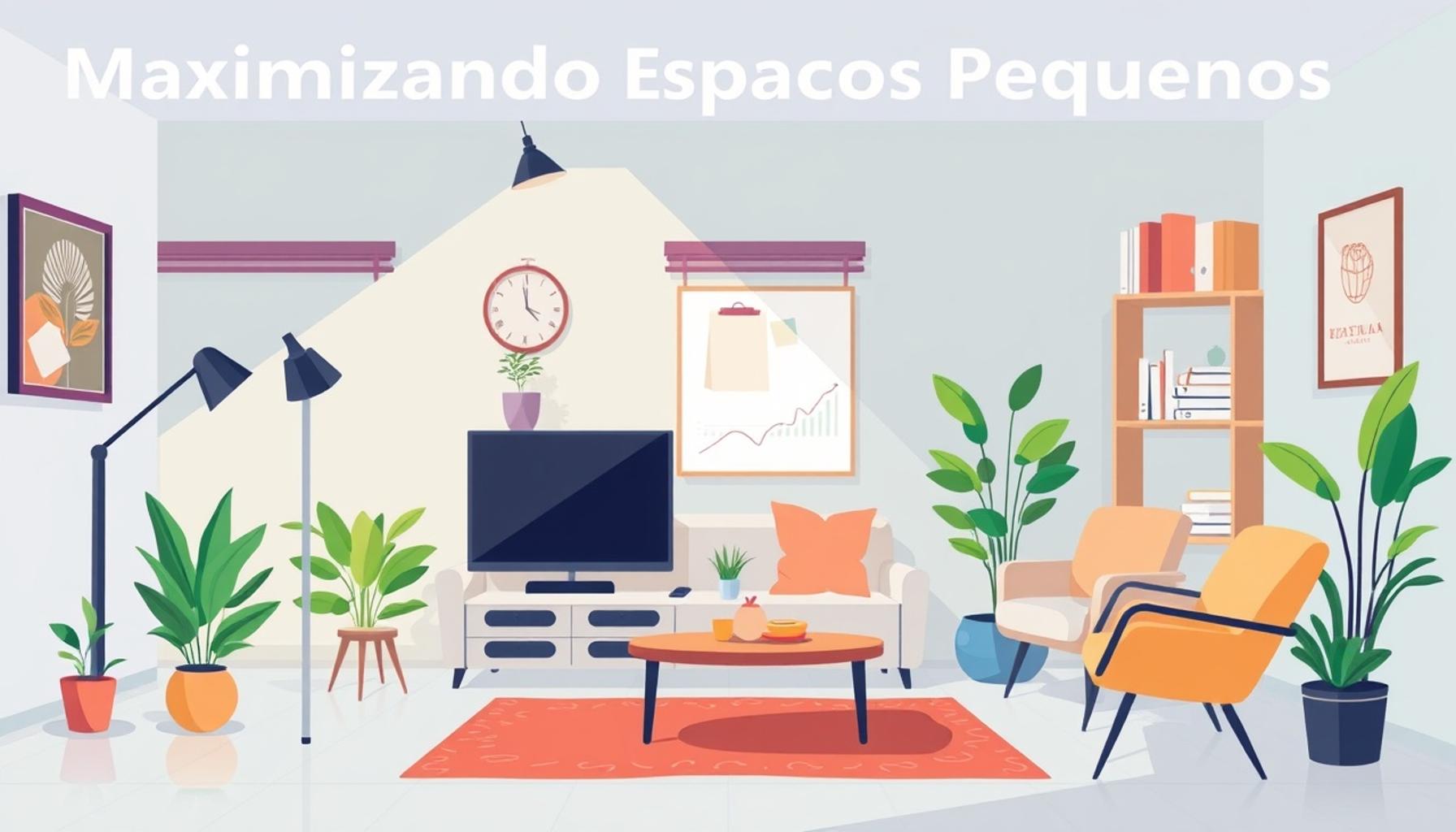
Transforming Your Home: Creative Ideas for Space Optimization with Minimalist Principles
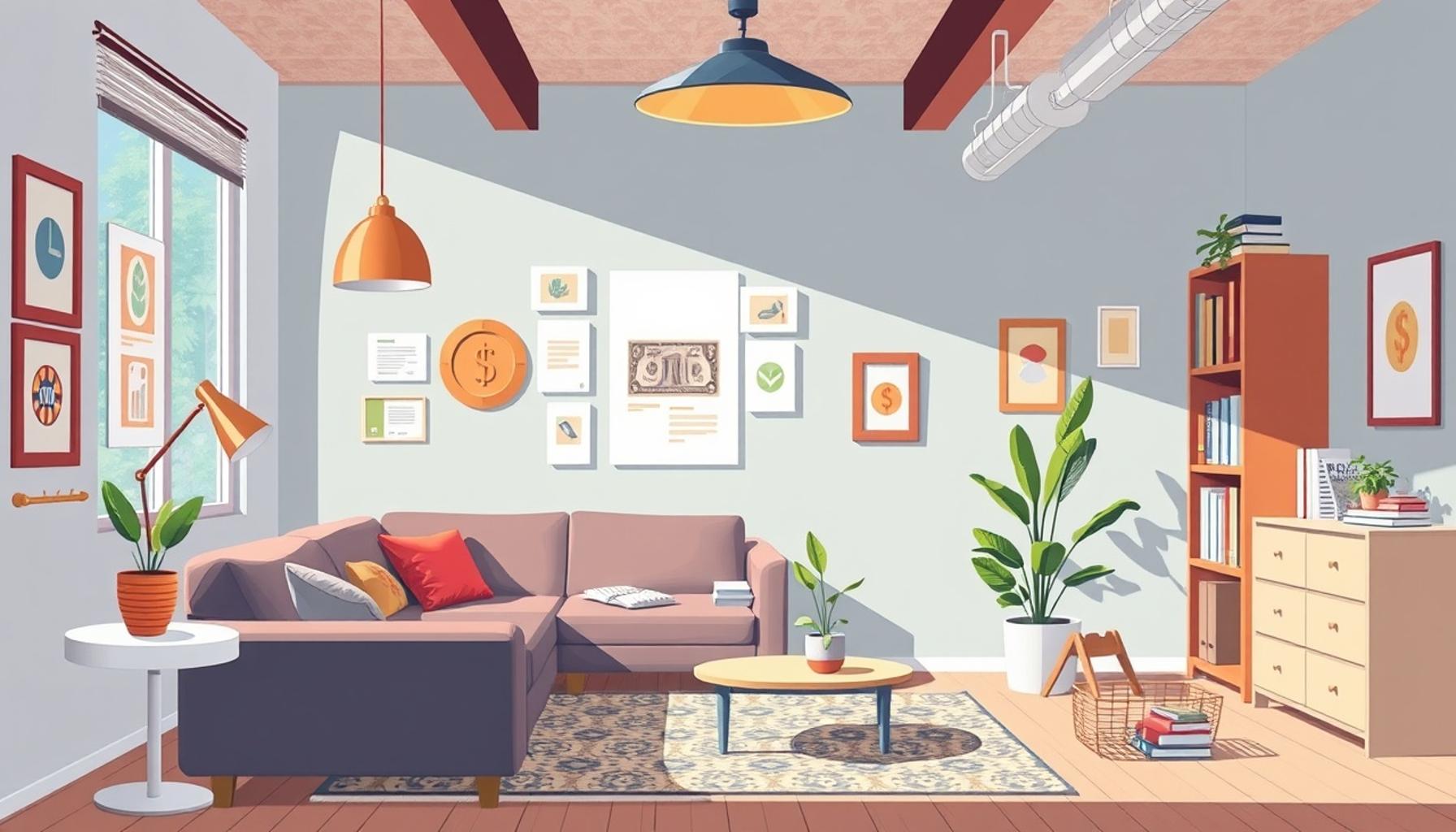
Discovering Minimalism in Home Design
In a world where clutter often reigns supreme, the allure of minimalist design beckons. More than just a trend, minimalism offers a powerful approach to space optimization that allows you to create a home that feels open, serene, and welcoming. By stripping away excess, you can uncover the beauty of simplicity. The principles of this design style emphasize the importance of what truly matters—functionality and peace. For many, embracing minimalism doesn’t just change the look of a space; it transforms how they experience the environment around them.
Key Benefits of Minimalist Principles:
- Improved Functionality: In a minimalist home, every item serves a purpose. For instance, a sleek dining table may double as a workspace, allowing for fluid transitions between activities without the need for additional furniture.
- Enhanced Aesthetics: Clean lines and open spaces create a calming environment that promotes relaxation. Imagine a living room with white walls, a simple sofa, and large windows that flood the space with natural light—it’s captivating and invigorating.
- Increased Organization: Less clutter leads to better storage solutions. Built-in cabinets and under-bed storage ensure that essentials are easily accessible without overtaking valuable floor space.
Transforming your home doesn’t just mean rearranging furniture; it’s about fostering an atmosphere that promotes mindfulness and tranquility. Consider creating a meditation nook adorned with only essential elements like a comfortable mat and a small plant, inviting moments of peace in your daily routine.
Exploring Creative Ideas:
From innovative storage solutions to multi-functional furniture, this article will unveil a variety of inspiring ideas for achieving a minimalist home. Delving deeper, let’s look into:
- Spatial zoning techniques: Use rugs and lighting to delineate functional areas within a room, making the space work harder without adding physical barriers. For example, a large area rug can define a cozy reading corner in a vast living room.
- Choosing versatile furniture: Opt for pieces that fulfill multiple roles, such as a sofa bed or an ottoman with hidden storage. This flexibility not only conserves space but also enhances the overall design.
- Selecting a neutral color palette: Shades like whites, greys, and beiges can enhance a sense of spaciousness and complement a variety of decor styles. Adding texture through pillows, throws, and natural materials keeps the space inviting without overwhelming it.
As you dive into the world of efficient living spaces, you’ll discover how transforming your home can lead to a more peaceful and organized lifestyle. The minimalist approach encourages intentionality—not only in the items we keep but in how we live and interact within our spaces. Ready to embrace minimalism? Let’s get started!
Innovative Storage Solutions for a Minimalist Home
As the foundation of a minimalist lifestyle, effective storage solutions are pivotal in achieving both functionality and style. The art of storage in a minimalist home is to conceal clutter while keeping essential items within reach. Here are several innovative strategies that can help you optimize space without sacrificing aesthetics:
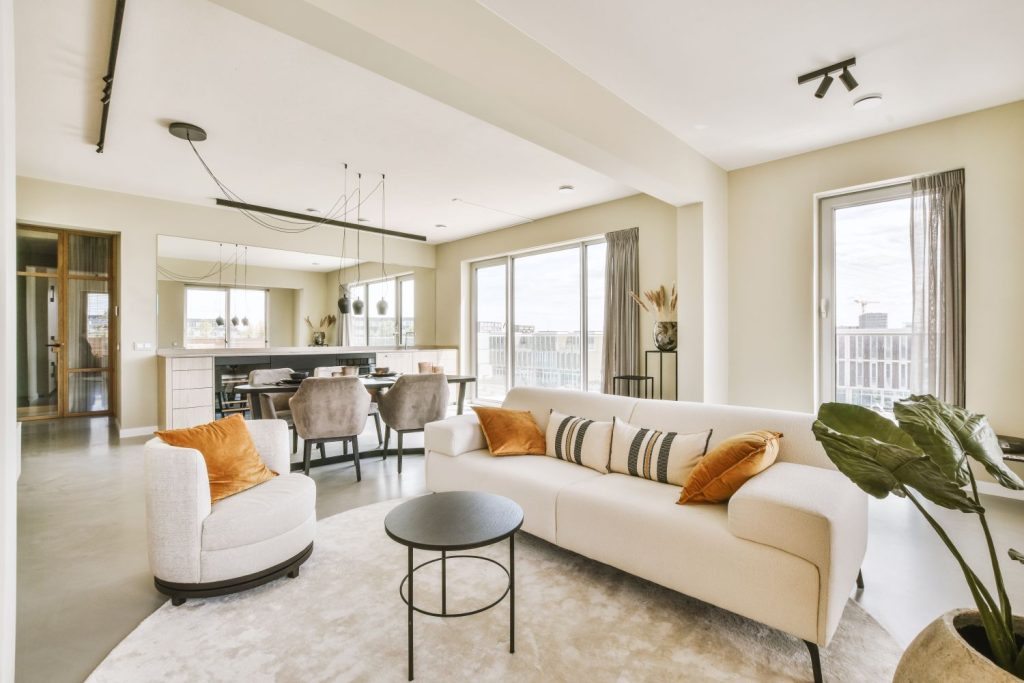
- Vertical Storage: Utilizing wall space can dramatically free up floor areas, making your home feel more expansive. Install floating shelves to display books, plants, or decorative items, creating a visually appealing arrangement that draws the eye upwards.
- Underutilized Spaces: Don’t overlook areas like under staircases, corners, or entryways. Custom cabinetry or built-in benches can provide hidden storage for shoes, bags, or seasonal items, maintaining a clean and orderly appearance.
- Multi-purpose Furniture: Invest in pieces that serve two or more functions. A trunk can serve as both storage and a coffee table, while a daybed can function as both a sofa for lounging and a bed for guests. This versatility not only saves space but also enhances the versatility of your living area.
- Declutter Regularly: Embrace a mindset of continual evaluation; regularly go through your belongings and donate or discard items that no longer serve you. This practice not only keeps your space tidy but also reinforces the minimalist principle of valuing quality over quantity.
As you integrate these storage solutions into your home, keep in mind that the goal of minimalism is not to completely strip your space bare, but to cultivate an environment that is purposeful and inviting. Aim for a balance between functionality and personal expression. By choosing items that you genuinely love and that serve a specific purpose, you can create a home that not only looks great but feels right.
Creating a Tranquil Atmosphere Through Design Choices
Design choices greatly influence the overall ambiance of your home. By opting for simple yet effective elements, you can evoke feelings of tranquility and clarity. Here are some design tips that align with minimalist principles while enhancing your home’s atmosphere:
- Lighting: Natural light is a crucial component in minimalist design. Opt for sheer curtains or blinds that allow light to filter in, brightening up spaces and creating an airy feel. Where artificial lighting is necessary, consider minimalist fixtures that maintain clean lines.
- Color Palette: A cohesive color palette using subtle, neutral tones can make a significant difference in how spacious a room feels. Shades of white, grey, and beige reflect light and can be complemented with the occasional pop of color through accessories, ensuring your home remains vibrant yet uncluttered.
- Focused Decor: Choose a few significant pieces that resonate with you. Instead of filling every available space with décor, select a statement artwork or a carefully curated arrangement of items that tells your story without overwhelming the senses.
By thoughtfully incorporating these design choices, you actively participate in the transformation of your home into a serene retreat. A minimalist approach, marked by intentional decisions and clear organization, not only enhances functionality but also fosters a sense of peace and contentment within your living space, making it a true sanctuary.
| Advantages | Reasons to Consider |
|---|---|
| Increased Functionality | Emphasizing essential items enhances the usability of every corner, turning overlooked spaces into functional areas. |
| Visual Clarity | Fewer distractions in your environment promote tranquility, creating a peaceful atmosphere that invigorates the mind. |
| Cost Efficiency | Investing in quality over quantity means long-lasting furniture and decor will save money in the long run. |
| Sustainability | Minimalist settings often encourage eco-friendly practices, promoting a lifestyle that values sustainability. |
The concept of space optimization alongside minimalist principles invites numerous benefits as you transform your home. Adapting your environment not only increases functionality but also brings forth a new sense of visual clarity, allowing for cognitive ease. The choice to focus on essential items can lead to cost efficiency, ensuring that your investments are in durable, high-quality materials rather than fleeting trends. Moreover, minimalism often aligns with sustainable living, cultivating practices that benefit both personal well-being and the environment. Exploring these dimensions will unravel insights on how to utilize your space more effectively while embracing the core ethos of minimalism.
Enhancing Functionality with Clever Arrangements
In a minimalist home, the arrangement of furniture and decor plays a vital role in maximizing space while retaining a sense of harmony. Strategic positioning can elevate functionality and facilitate movement, allowing each area to serve its purpose effectively. Below are several smart arrangements that can help you create a cohesive living environment:
- Zone Your Space: Create distinct areas within larger rooms by using area rugs or furniture groupings. For example, in open-concept layouts, establish a cozy reading nook with a plush armchair and a small side table, or designate a workspace with a desk in a corner away from distractions. This zoning allows for a multi-functional space while maintaining organization.
- Flow and Accessibility: Ensure that pathways within your home are clear and intuitive. Arrange seating in living areas to promote conversation and ensure that there’s enough room to navigate through the space. Additionally, place frequently used items, such as remote controls or mail, in easily accessible locations, reducing the effort needed to keep your environment tidy.
- Reflective Surfaces: Incorporating mirrors not only enhances the aesthetic appeal of your home but also creates an illusion of spaciousness. Strategically positioning mirrors across from windows can amplify natural light and create an airy feel. This technique works well in smaller rooms or corridors, making them appear larger and brighter.
By thoughtfully arranging your space, you can achieve a functional and welcoming home. Emphasizing flow and engagement ensures that your minimalist principles extend beyond aesthetics, contributing to an efficient and comfortable lifestyle.
Integrating Nature for a Calming Effect
Bringing the outdoors inside can further enhance the minimalist aesthetic while promoting tranquility. Integrating natural elements into your interior design not only beautifies your surroundings but also fosters a serene atmosphere. Here are innovative ways to achieve this:
- Indoor Plants: Incorporating greenery can have profound effects on mood and air quality. Opt for low-maintenance varieties such as snake plants or pothos, which thrive in a variety of conditions. Place them in minimalist pots that align with your overall decor, allowing their natural beauty to stand out without overwhelming the space.
- Natural Materials: Embrace the use of organic materials, such as wood, stone, or bamboo, throughout your home. Choose furniture crafted from sustainably sourced timber or decor items made from natural fibers. These materials not only provide warmth and texture but also align with a minimalist ethos focused on authenticity and simplicity.
- Views and Light: If possible, maximize window usage to showcase outdoor views. Keeping windows unobstructed allows natural light to pour in, while also connecting the interior with the exterior landscape. Strategically placing furniture near windows encourages relaxation, enhancing your sense of connection with nature.
Integrating nature into your minimalist home not only contributes to beautiful design but also cultivates a peaceful sanctuary. By combining natural elements with your existing décor, you create a seamless flow between indoor and outdoor spaces, emphasizing calm and balance.
Conclusion: Embracing Minimalism for a Transformed Home
In conclusion, transforming your home using creative ideas for space optimization based on minimalist principles invites an opportunity to enhance both functionality and tranquility. By reorganizing furniture arrangements and integrating natural elements, your environment can evolve into a sanctuary that reflects your lifestyle and values.
Applying effective methods such as zoning, ensuring fluidity in accessibility, and using reflective surfaces can dramatically change how you interact with your space. These techniques are particularly relevant in the United States, where open-concept living has become a trend, enabling versatility while maintaining a soothing atmosphere.
Moreover, introducing indoor plants and utilizing natural materials can foster a sense of calm, aligning your living space with the rhythms of nature. This connection not only enriches the aesthetic appeal but also promotes mental well-being. As you contemplate your home transformation, consider the profound impact of these simple yet powerful changes.
Ultimately, adopting minimalist principles is not merely about reducing clutter; it’s about creating a meaningful living space that serves your needs without excess. As you explore and experiment with these ideas, you invite a newfound sense of clarity and purpose into your home—encouraging not just a visual transformation, but a holistic lifestyle change. In an ever-evolving world, let your home be a canvas that reflects your essence, enriched by simplicity and functionality.
Related posts:
Smart Storage Solutions: Multifunctional Furniture for Minimalist Environments
Minimalism and Sustainability: Strategies for Creating Ecological and Functional Spaces
Demystifying Minimalism: How to Select What Truly Matters in Your Space
Creating Functional Environments: Space Optimization Strategies Inspired by Minimalism
Maximizing Small Spaces: Minimalist Organization Techniques for Compact Apartments
Multifunctional Spaces: How Minimalism Transforms Environments Into Versatile and Functional Areas

Linda Carter is a writer and organization expert specializing in minimalism and personal organization. With extensive experience helping individuals create clutter-free, functional spaces and adopt mindful habits, Linda shares her knowledge on our platform. Her goal is to empower readers with practical advice and strategies to simplify their lives, stay organized, and achieve a sense of calm and balance in their daily routines.