
Minimalism and Sustainability: Strategies for Creating Ecological and Functional Spaces
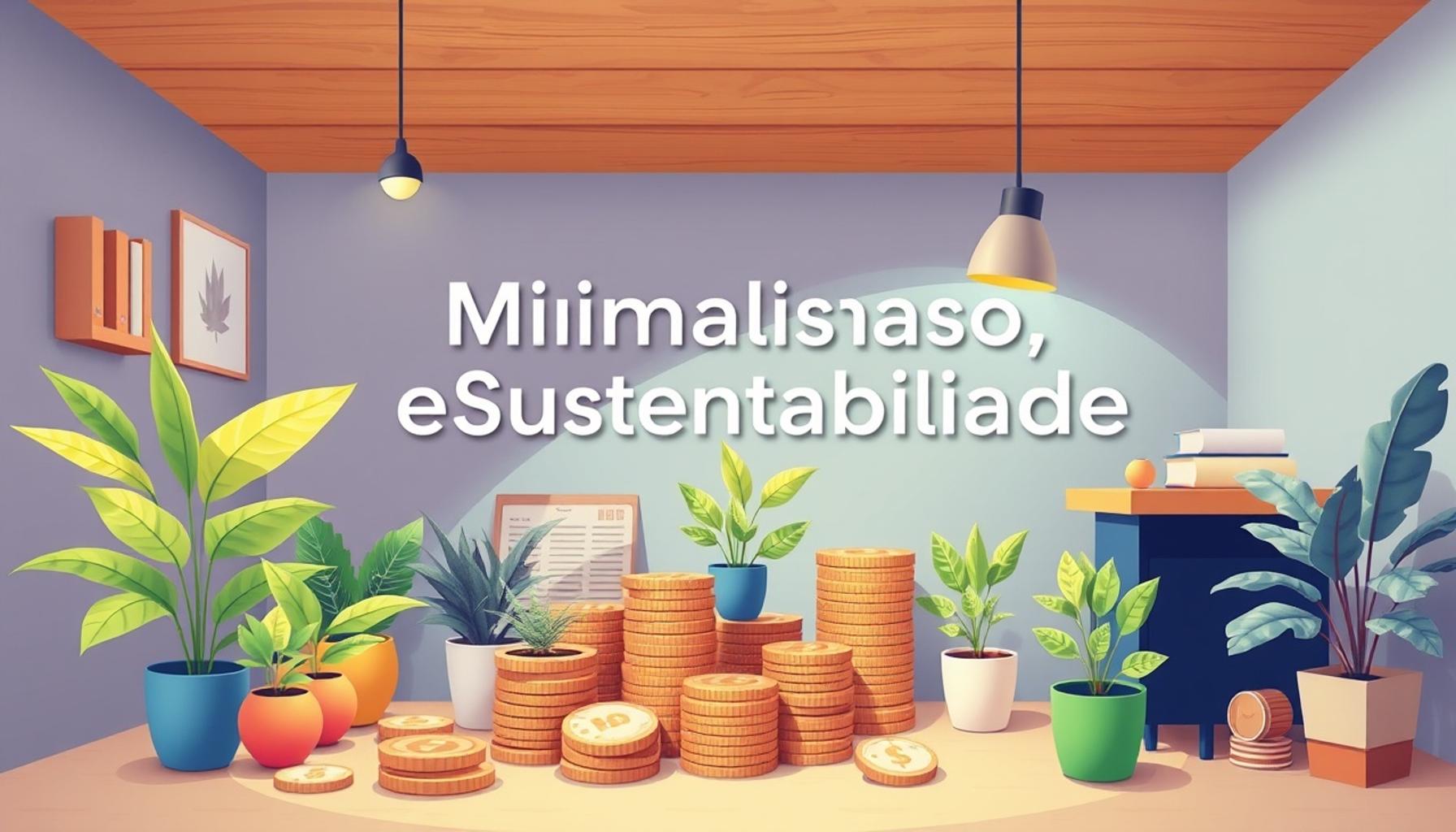
Understanding the Principles of Minimalism and Sustainability
In the current age, where climate change and environmental degradation dominate headlines, minimalism has transcended its aesthetic roots to become a powerful lifestyle movement. People are increasingly prioritizing mindful consumption and intentional living, learning that less can indeed be more. This shift is not just about decluttering spaces—it’s about fostering a deep relationship with the world around us and making conscious choices that benefit both our well-being and the ecosystem.
The Power of Reducing Clutter
One of the cornerstones of minimalism is reducing clutter. By cleaning out unnecessary belongings, individuals not only experience enhanced mental clarity but also create physical spaces that promote tranquility. Studies have shown that environments filled with chaos can lead to stress and reduced productivity. For instance, a 2011 study published in the journal “Personality and Social Psychology Bulletin” revealed that disorganized homes correlated with increased levels of cortisol, the stress hormone. Thus, embracing minimalism can support mental health by providing us with more serene home environments.
Investing in Quality
Adopting a minimalist approach also emphasizes choosing quality over quantity. This philosophy encourages consumers to invest in fewer but higher-quality items. For example, rather than purchasing a plethora of fast fashion garments that quickly fall apart or become outdated, consider investing in a timeless piece made from durable materials. Brands that prioritize sustainability, such as Patagonia or Eileen Fisher, exemplify this principle by creating long-lasting products with eco-friendly practices. This conscious choice not only minimizes waste but also contributes to a more sustainable economy.
Incorporating Sustainable Materials
Another key aspect is incorporating sustainable materials into our everyday lives. Opting for furniture or decor made from eco-friendly resources such as bamboo, reclaimed wood, or recycled metals can significantly diminish our ecological footprint. For instance, using reclaimed wood from old barns not only reduces the demand for new timber but also adds unique character to home designs. Companies like West Elm have embraced this concept, providing consumers with stylish and sustainable options that do not compromise on aesthetics.
Creating Ecological and Functional Spaces
As we delve deeper into sustainability, it becomes essential to rethink our living and working environments. By utilizing natural light, energy-efficient appliances, and smart layouts, we can create spaces that are not only functional but also gentle on the planet. For instance, designing homes with open floor plans can maximize natural light, reducing the need for electric lighting during the day, which is a simple yet effective way to save energy.

This journey towards minimalism and sustainability invites us to reevaluate how we live. By implementing these strategies, you can transform your space into a sanctuary that reflects your values of simplicity and care for the Earth. Each small step taken contributes to a larger movement towards a healthier planet, encouraging others in your community to consider their own consumption patterns as well. Embrace the possibilities that come with minimalism and sustainability, and discover how enriching this lifestyle can be.
Embracing Sustainable Practices in Minimalist Living
As the ethos of minimalism aligns closely with the principles of sustainability, understanding how to effectively incorporate both into our lives can lead to more ecological and functional spaces. The integration of these concepts generates a synergy that not only enhances our personal well-being but also contributes to environmental health. By adopting strategies that prioritize sustainability, individuals can make choices that reverberate through both their homes and the wider community.
Mindful Consumption and Eco-Friendly Practices
At the heart of minimalism lies the idea of mindful consumption, which urges individuals to thoughtfully consider their purchases. This approach can significantly reduce waste and environmental impact. Here are several strategies for embracing mindful consumption:
- Evaluate Necessity: Before making a purchase, ask whether the item is genuinely needed or simply a fleeting desire. This reflection can drastically reduce impulse buys.
- Support Local Artisans: Prioritize products made by local artisans or companies that employ sustainable practices. This not only strengthens the local economy but also minimizes the carbon footprint associated with shipping.
- Choose Second-Hand Goods: Explore thrift stores, consignment shops, and online marketplaces for second-hand items. This approach not only decorates your home with unique pieces but also reduces the demand for new goods.
Creating a Harmonious Connection with Nature
Minimalism encourages us to create spaces that foster a strong connection with nature. Implementing biophilic design principles within our homes can significantly enhance our quality of life and promote sustainability. By incorporating natural elements into our environments, we can create a sense of calm and balance. Consider the following ideas:
- Indoor Plants: Adding greenery not only beautifies spaces but also improves air quality and boosts mood. Plant varieties like snake plants and pothos are low-maintenance and thrive indoors.
- Natural Light: Maximize sunlight by using large windows or skylights. This reduces reliance on artificial lighting and helps maintain a cheerful atmosphere.
- Natural Materials: Opt for furnishings made from wood, stone, or organic textiles that resonate with a natural aesthetic.
Implementing Energy Efficiency
Energy efficiency is another pillar of sustainable living that aligns with minimalist principles. By embracing energy-efficient appliances and practices, individuals can significantly reduce their environmental impact while promoting functionality. Here are some actionable steps:
- Choose Energy Star Appliances: These appliances consume less energy and can lead to substantial savings on utility bills.
- Practice Smart Temperature Control: Use programmable thermostats and weatherproof your home to maintain comfortable temperatures efficiently.
- Reduce Water Usage: Install low-flow faucets and showers, and fix leaks promptly to conserve water, showcasing the harmony of function and sustainability.
By integrating these sustainable practices into minimalist living, not only can we redefine our living spaces, but we also contribute to a more sustainable future. Each conscious choice reinforces the bond between our well-being and that of the planet, paving the way for healthier, more ecologically responsible lifestyles.
| Design Strategy | Impact on Ecology |
|---|---|
| Use of Natural Materials | Promotes a healthy indoor environment by reducing harmful chemicals. |
| Maximizing Natural Light | Decreases energy consumption and fosters well-being through connection to nature. |
| Functional Furniture | Encourages minimal waste and maximizes space utility. |
| Vertical Gardens | Improves air quality while reducing urban heat. |
The integration of minimalism in design goes hand-in-hand with sustainability, promoting an environment that respects and utilizes resources wisely. By adopting strategies such as using natural materials, homeowners can create spaces that not only look aesthetically pleasing but also enhance the overall health of indoor environments. This also emphasizes the importance of minimizing exposure to harmful chemicals often found in synthetic materials. Furthermore, maximizing natural light in architectural designs not only limits the reliance on artificial lighting but also contributes significantly to energy conservation. This approach supports both ecological efficiency and personal well-being, fostering a deeper connection to the outdoors. In addition, incorporating functional furniture allows for versatile living spaces that minimize waste while maximizing utility. These elements collectively represent a shift towards a more conscientious style of living, marrying style with ecological responsibility, which is paramount in contemporary design discussions. Lastly, features like vertical gardens not only beautify spaces but also enhance air quality and combat urban heat, further reinforcing that ecological and functional spaces can be deeply interconnected through thoughtful design. Embracing these principles leads to energy-efficient, sustainable, and aesthetically pleasing environments, paving the way for future innovations in habitat design.
Designing Multifunctional Spaces for Optimal Use
Minimalism is not just about decluttering but also about optimizing space to foster both functionality and sustainability. By designing multifunctional spaces, you can ensure that every element serves a purpose, contributing to a more efficient and eco-friendly living environment. This approach encourages creativity in how we utilize our spaces, making them adaptable to various needs.
Embracing Flexible Furniture Solutions
Utilizing flexible furniture solutions can drastically transform how we interact with our living spaces. Here are some innovative ways to embrace this concept:
- Convertible Furniture: Consider sofas that can be transformed into beds or tables that can expand when needed. Not only do these options save space, but they also reduce the necessity for multiple pieces of furniture.
- Wall-Mounted Features: Incorporating wall-mounted desks and shelves can free up floor space and reduce clutter. This makes the room feel larger and more organized.
- Multi-Use Storage: Opt for ottomans or benches with built-in storage to efficiently utilize every inch while keeping necessary items neatly tucked away.
Creating a Cohesive Color Palette
The color palette of your home plays a significant role in how space is perceived. Using a cohesive palette can enhance minimalism while promoting sustainability by integrating environmentally sourced paints and finishes. Here’s how to navigate this aspect:
- Choose Eco-Friendly Paints: Look for paints labeled as low-VOC (volatile organic compounds) or natural pigments. These options contribute to better indoor air quality and lower environmental impact.
- Stick to Neutral Tones: A neutral color palette can provide a calm and harmonious backdrop, allowing the focus to remain on functional elements while minimizing the need to frequently repaint.
- Incorporate Natural Textures: Use materials like wood, stone, or clay in their natural state to enhance visual appeal and create a warm, inviting atmosphere without compromising sustainability.
Innovative Waste Management and Recycling Practices
Another essential aspect of combining minimalism with sustainability is the implementation of effective waste management practices. Households can make substantial contributions to environmental conservation through thoughtful waste reduction and recycling strategies. Consider these practices:
- Composting: Start a compost bin to reduce food waste and create nutrient-rich soil for gardening. This can be a simple and effective way to give back to the earth.
- Recycling Stations: Designate specific areas in your home for sorting recyclables. By simplifying the recycling process, you can encourage a culture of sustainability within your home.
- Digital Decluttering: Minimalism isn’t limited to physical items. Evaluate digital clutter by organizing files and reducing unnecessary subscriptions to digital services that contribute to resource wastage.
Adopting these minimalist design principles and strategies can not only enhance the aesthetic and functional capacity of your home but also contribute significantly to sustainability. By making informed and thoughtful choices, individuals can pave the way for a lifestyle that respects both their personal space and the planet.
Conclusion: Harmonizing Minimalism and Sustainability
In today’s world, where environmental challenges loom large, embracing minimalism as a design philosophy offers a unique opportunity to foster sustainability in our living spaces. By carefully curating our environments with an eye toward functionality and ecological responsibility, we not only enhance our personal surroundings but also contribute to the broader well-being of our planet.
Implementing strategies such as multifunctional design and incorporating flexible furniture solutions allows individuals to maximize their space while minimizing waste. This shift towards more thoughtful consumption promotes conscious living and can drastically reduce the carbon footprint of our homes. Moreover, adopting cohesive color palettes with eco-friendly materials enriches our homes’ aesthetics while supporting sustainable practices.
Additionally, developing smart waste management and recycling practices at home creates a culture of responsibility and resourcefulness. As simple as composting or organizing recycling stations, every small action contributes to a larger movement for ecological preservation. Ultimately, the intersection of minimalism and sustainability empowers us to rethink our relationship with our surroundings, urging us to live better, consume less, and care deeply for our environment.
As you embark on your journey to create more ecological and functional spaces, consider the profound impact your choices can have—not only on your life but on the world at large. By integrating these minimalist strategies, you can cultivate a harmonious sanctuary that reflects both your personal values and your commitment to a sustainable future.
Related posts:
The Art of Letting Go: How Minimalism Facilitates Space Optimization at Home
Harmony and Functionality: Integrating Minimalist Lifestyle into Interior Decoration
The Role of Technology in Optimizing Minimalist Spaces: Apps and Gadgets that Facilitate Organizatio...
Maximizing Small Spaces: Minimalist Organization Techniques for Compact Apartments
Maximizing Small Spaces: Space Optimization Strategies in Minimalist Environments
Multifunctional Spaces: How Minimalism Transforms Environments Into Versatile and Functional Areas

Linda Carter is a writer and organization expert specializing in minimalism and personal organization. With extensive experience helping individuals create clutter-free, functional spaces and adopt mindful habits, Linda shares her knowledge on our platform. Her goal is to empower readers with practical advice and strategies to simplify their lives, stay organized, and achieve a sense of calm and balance in their daily routines.