The Practice of Meditation as a Tool for Minimalism at Home
The Role of Meditation in Cultivating a Minimalist Lifestyle
As the clamor of modern life intensifies, the allure of a simpler, more intentional existence becomes increasingly appealing. The minimalist movement advocates for a lifestyle characterized by the intentional reduction of physical belongings and commitments, prompting a reevaluation of one’s values and priorities. A crucial ally in this journey is meditation, a practice that not only fosters tranquility but also amplifies our understanding of what truly enriches our lives.
Exploring the intersection of meditation and minimalism reveals several key aspects that contribute to a clearer, more focused approach to life:
- Reducing Mental Clutter: In a world saturated with distractions, meditation acts as a sanctuary for the mind. Techniques such as focused breathing or mindfulness exercises can lead to a significant reduction in mental noise. For instance, practicing just ten minutes of meditation daily may decrease feelings of anxiety and overwhelm, allowing you to concentrate better on your immediate environment and the tasks at hand.
- Enhancing Decision Making: By cultivating a calm and centered mindset through meditation, individuals often find themselves better equipped to make thoughtful decisions about what they own. Clarity gained from a meditation session can help distinguish between essential items and those that merely take up space, thus fostering a more intentional approach in their purchasing habits. This can result in a home filled only with items that serve a purpose or bring joy.
- Encouraging Intentionality: Through meditation, people often develop a heightened awareness of their emotional landscape, including their wants versus needs. This awareness translates into more deliberate choices about one’s lifestyle, relationships, and possessions. For example, someone meditating regularly may discover that they prioritize experiences and connections over material goods, steering them toward activities that align with their core values.
The harmonious blend of meditation and minimalism creates a unique opportunity for individuals to declutter not just their physical spaces but also their minds. As the process of letting go unfolds, you may experience feelings of lightness, both emotionally and physically. This shift can not only make your home more inviting, but it can also foster a greater sense of self-awareness, leading to a more fulfilling life.
As you delve deeper into the synergies of these practices, prepare to uncover strategies that could redefine your relationship with both your living space and your inner self. By embracing meditation as a tool, individuals can navigate their journey toward minimalism with a focused intention and a peaceful heart, ultimately uncovering a profound sense of contentment and clarity. In pursuing this unique blend, you may find that simplicity isn’t merely a lifestyle choice, but rather a transformative journey toward a more meaningful existence.
Transforming Your Environment Through Mindfulness
The integration of meditation into daily life can significantly impact how we perceive and interact with our surroundings. At its core, minimalism is about creating a space that invites peace, clarity, and purpose into our lives. By reinforcing this foundational mindset through meditative practices, individuals can embark on a transformative journey toward achieving a serene living environment.
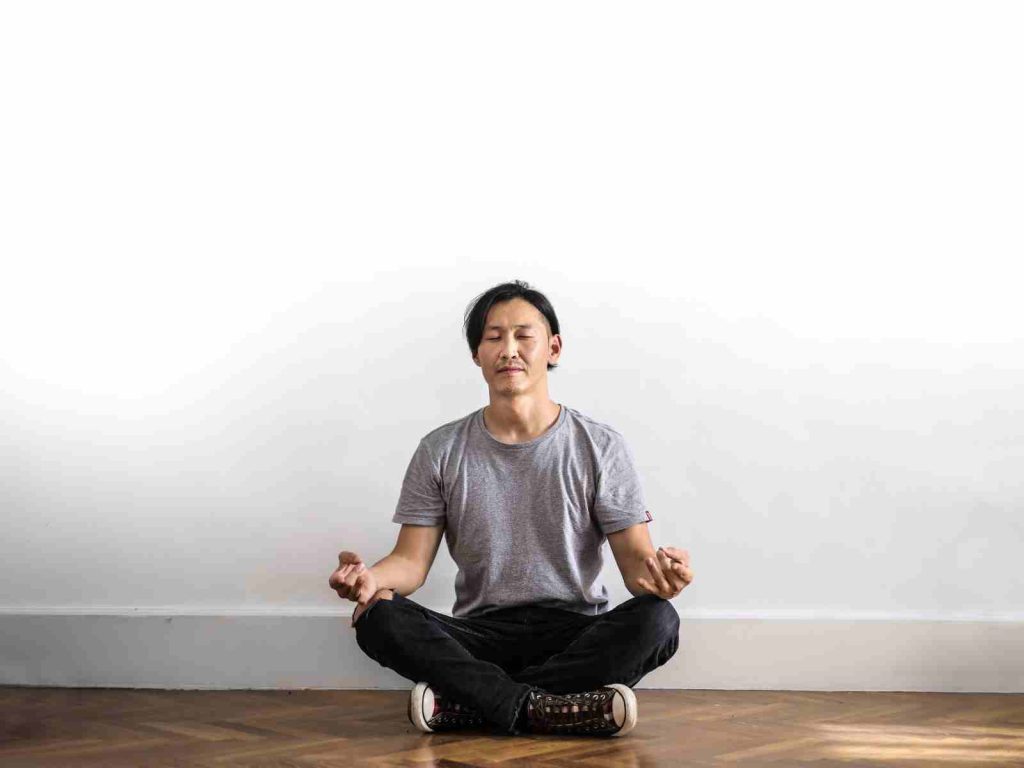
One of the primary benefits of meditation is its ability to enhance our self-awareness. As we become more aware of our thoughts and feelings, we start to identify what holds true value in our lives and what is merely an accumulation of unnecessary distractions. This clarity is crucial when it comes to assessing the objects in our homes, prompting us to ask essential questions such as: “Does this item serve a purpose?” or “Does this bring me joy?”
To deepen the understanding of how meditation facilitates a minimalist lifestyle, consider the following key elements:
- Cultivating a Present-Moment Awareness: Meditation teaches us to focus on the present moment, which can be instrumental in reducing the emotional attachment to physical belongings. As we practice remaining present, the urgency to keep accumulating items fades, allowing us to savor what we have.
- Implementing a Regular Decluttering Ritual: Just as meditation encourages a routine of self-reflection, it can inspire a regular practice of decluttering. Setting aside time to meditate before tidying up can foster a deeper connection between our mental state and the physical environment, making it easier to let go of things that no longer serve a purpose.
- Emotional Release Through Letting Go: The act of meditation often brings emotional insights to the surface. As we confront these emotions during sessions, we can better navigate the often difficult decisions surrounding possessions. By acknowledging and releasing attachments, we can transition to a more intentional lifestyle with ease.
Furthermore, the calming effects of meditation can help mitigate the stress associated with the decluttering process itself. Many people find the idea of minimizing their belongings overwhelming; however, meditation provides an opportunity to approach this challenge with calmness and resilience. A simple mindfulness exercise before tackling a cluttered area can reduce anxiety and foster a mindset of exploration rather than dread.
As individuals continue to combine meditation with the principles of minimalism, they may discover that the journey towards a simplified home is not merely about reducing items but rather about embracing a lifestyle that epitomizes intentionality. Ultimately, each decision regarding what to keep or discard becomes a reflection of one’s values and priorities, leading to a more authentic representation of self within the sanctuary of one’s home.
| Advantages | Description |
|---|---|
| Enhanced Focus | Meditation promotes clarity of mind, allowing individuals to focus on decluttering their living spaces. |
| Stress Reduction | It aids in lowering anxiety, which can reflect on one’s ability to manage home environments, creating a serene atmosphere. |
| Mindful Living | Encourages a lifestyle where every item has purpose, supporting a minimalist ethos. |
| Increased Awareness | Fosters awareness of what is truly necessary in life, promoting intentional purchases and organization. |
The role of meditation in minimalism extends beyond mere decluttering; it ushers in a profound shift in the user’s mindset. As individuals engage in meditation practices, they develop a keen sense of purpose regarding their belongings, questioning the necessity and emotional ties to items within their homes. This duality allows for greater control over one’s physical space, all while forging a healthier mental state.Moreover, mindfulness meditation equips practitioners with valuable tools for navigating daily distractions. Over time, the approach encourages individuals to find harmony between their internal landscape and their external environment. By cultivating a mindful spirit, one can turn their home into not just a living area but also a sanctuary that nurtures peace and well-being.Through exploration and practice, meditation can serve as an essential asset in achieving minimalism, allowing individuals to embrace both physical simplicity and mental clarity. Those curious to deepen their knowledge about this transformative journey will discover a plethora of resources available for further guidance on integrating these practices into everyday life.
Creating Intentional Spaces Through Meditation
As we deepen our practice of meditation, we begin to understand that our surroundings can play a pivotal role in shaping our mental state. An intentionally designed space will not only reflect our personal values but will also serve as a backdrop for our mindfulness journey. This realization leads to a fundamental aspect of minimalism: the idea that every item in our home should evoke positivity, usefulness, or a sense of calm.
To achieve this, individuals can practice visualization techniques during meditation. Before making any changes to their living spaces, they can visualize what their ideal home looks like—one that is free of clutter and filled with purposeful objects. This mental imagery not only serves as motivation but also allows for a greater connection to their aspirations. Visualizing these outcomes can create a strong emotional anchor, making the process of decluttering and rearranging not just necessary, but cathartic.
Moreover, creating designated areas for various activities within the home promotes a sense of functionality and mindfulness. For instance, a quiet reading nook can be set up with only essential items: a comfortable chair, adequate lighting, and perhaps a few meaningful books. With every element mindfully chosen, the space transforms into an invitation for relaxation and reflection. Meditation can enhance this focus on spatial arrangement by establishing an atmosphere that is conducive to serenity. By practicing awareness, individuals can ensure that each space serves its intended purpose without unnecessary distractions.
Another compelling advantage of intertwining meditation with minimalism is the opportunity for individuals to develop a gratitude practice. By taking the time to meditate on what we are thankful for, we cultivate a positive mindset that emphasizes appreciation rather than desire. This perspective can extend to the items we choose to keep in our homes. For example, items that have sentimental value can be appreciated for the memories they encapsulate rather than as mere objects. This shift in mindset helps facilitate a separation from the non-essential, allowing us to cherish what contributes positively to our lives.
Furthermore, engaging in meditation can enhance the overall aesthetic experience at home. Through mindful observation, individuals can become attuned to the sensory aspects of their environment—from the texture of fabrics to the interplay of colors and light. This reflective practice encourages a thoughtful approach to home décor, urging individuals to choose items that resonate with their ideals of tranquility and minimalism. Following this path can lead to a home that not only looks uncluttered but feels like a peaceful retreat, amplifying the benefits of meditation beyond the cushion.
As new practices emerge, many individuals incorporate rituals that marry meditation with the act of caring for one’s home. For instance, engaging in mindful cleaning or organizing can transform what often feels like mundane chores into intentional acts of self-care. By centering one’s mind, individuals can clean or declutter with purpose, viewing the work as a necessary extension of their meditation practice.
Embracing the fusion of meditation and minimalism allows individuals to cultivate homes that prioritize mental clarity, emotional well-being, and intentionality. Each thoughtful decision along this path becomes a step toward establishing a more harmonious living space—one that resonates with personal values and aspirations.
Embracing Meditation for a Minimalist Lifestyle
In conclusion, the practice of meditation serves as a powerful tool for fostering minimalism at home, creating a sanctuary that nurtures our mental and emotional well-being. By engaging in mindfulness and visualization techniques, individuals can transform their living spaces into intentional environments that reflect their values and aspirations. The act of meditation helps cultivate a greater awareness of our surroundings, allowing us to appreciate the significance of each item we choose to keep or let go.
Moreover, the integration of a gratitude practice enriches our perspective on ownership, shifting our focus from mindless accumulation to meaningful connections with the possessions that truly matter. When paired with mindful organization and designated spaces for activities, meditation empowers us to create homes that are not only aesthetically pleasing but also conducive to relaxation and reflection.
Ultimately, the synergy between meditation and minimalism encourages a holistic approach to living. It invites us to view our homes as a reflection of our inner lives—promoting clarity, tranquility, and purpose. As we examine the sensory aspects of our environment through the lens of mindfulness, we gain new insights into what brings us joy and peace. By cherishing what we have and letting go of the rest, we can create spaces that truly nourish the soul and inspire a fulfilling life.
As you embark on your journey towards a more minimalist home, consider incorporating meditation into your daily routine. The benefits may extend far beyond your living space, impacting your overall well-being and leading to a more intentional and enriched way of living.
Related posts:
Spaces of Serenity: How Mindful Living Can Redefine Home Organization
The Connection between Mindful Living and Sustainability: Reducing Waste Consciously
How Mindfulness Practice Can Transform the Process of Detachment and Personal Organization
Mindful Living in Motion: Organizational Techniques for Travel and Moves with Awareness
Mindful Living: Integrating Mindfulness into the Creation of Minimalist and Functional Spaces
Mindful Living: How Practicing Gratitude Can Enhance Satisfaction in a Minimalist Lifestyle

Linda Carter is a writer and organization expert specializing in minimalism and personal organization. With extensive experience helping individuals create clutter-free, functional spaces and adopt mindful habits, Linda shares her knowledge on our platform. Her goal is to empower readers with practical advice and strategies to simplify their lives, stay organized, and achieve a sense of calm and balance in their daily routines.