The Psychology of Clutter: How Mess Affects Our Mental Health and Well-Being

Examining the Psychological Consequences of Clutter
Our surroundings play a pivotal role in shaping our emotional well-being, yet many of us remain unaware of the subtle ways that clutter can infiltrate our lives and minds. Research illustrates that the seemingly innocuous buildup of items can lead to significant psychological ramifications affecting everything from stress levels to personal relationships. The intricate link between our environment and our mental states prompts us to examine how the clutter we tolerate—whether in our homes or workspaces—can dictate our emotional landscape.
Numerous studies have identified several standout psychological effects stemming from clutter, with some of the most prominent including:
- Increased Anxiety: When our environments are chaotic, they can exacerbate stress levels. A 2011 study from the University of California found that mothers of young children reported feeling more stressed and overwhelmed in cluttered homes than in those that were organized.
- Decreased Focus: In numerous experiments, individuals have demonstrated remarkable difficulty concentrating in cluttered spaces. For instance, when tasked with specific projects, participants in disorganized environments were found to produce lower-quality work than those in tidy settings.
- Lower Motivation: The effect of a chaotic environment can often lead to procrastination, where individuals find themselves feeling overwhelmed by the prospect of tackling a disordered space, resulting in apathy and inaction.
The implications of clutter extend beyond individual psychological impacts and seep into interpersonal dynamics. Disorganization can pose significant challenges in relationships, as illustrated by:
- Arguments Over Space: Many households have experienced tensions over tidiness. Roommates or partners may find themselves in conflict due to differing standards of organization, leading to resentment.
- Social Isolation: Individuals may become reluctant to invite friends over, feeling embarrassed about the state of their home, which can foster a sense of loneliness and disconnection from others.
- Impaired Productivity: In the professional sphere, a cluttered workspace can hinder career progression. Employers and co-workers often judge an individual’s professionalism based on their office environment, with clutter leading to fewer opportunities for advancement.
Understanding the psychology of clutter not only emphasizes its impact on mental health but also opens avenues for mitigation. By purging unnecessary items and promoting organization, individuals can create environments that foster both tranquility and creativity. As we explore this connection further, we can adopt practical strategies, such as the “one in, one out” rule for possessions or scheduled decluttering sessions, aimed at cultivating a more harmonious living and working atmosphere.
The Hidden Costs of Clutter on Mental Clarity
In a world where the pursuit of productivity and well-being takes center stage, understanding the psychological impact of clutter is more crucial than ever. The presence of disorganization in our lives often goes unnoticed until it manifests as stress or hindered creativity. Clutter serves as a visual and emotional reminder of unfinished tasks and unmet commitments, creating a subtle but persistent background noise that can consume our mental resources.
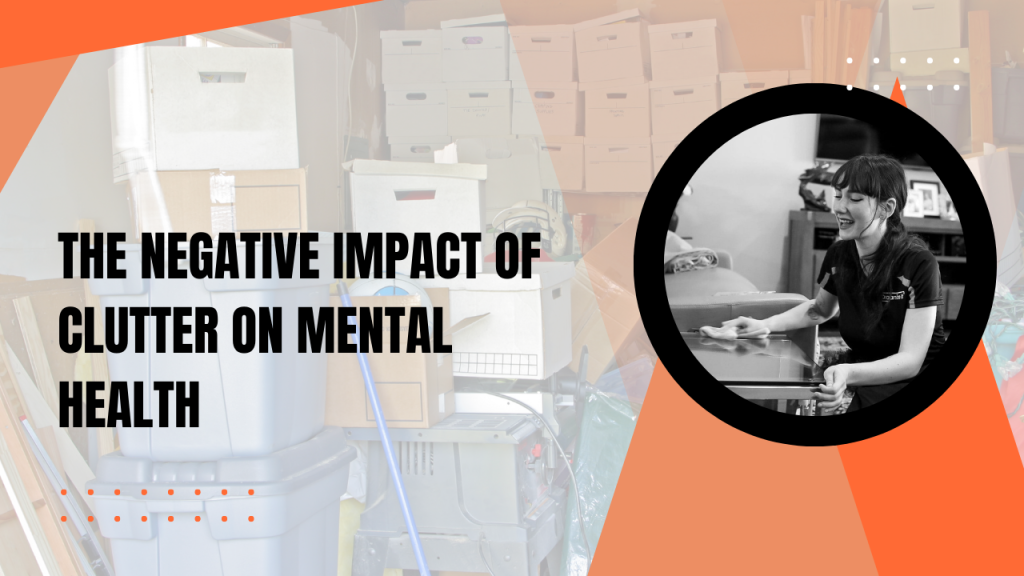
One of the most significant reasons clutter is detrimental to our mental health is its tendency to contribute to what psychologists call “cognitive overload.” When our environments are filled with excessive items, our brains are forced to process an overwhelming amount of information. This constant state of alert can lower our ability to focus and engage in meaningful tasks. Research from the American Psychological Association highlights that clutter can strain attention, resulting in diminished performance, both academically and professionally.
- Impact on Sleep Quality: Clutter can also disrupt our sleep. A study by Sleep Junkie revealed that individuals living in cluttered environments were more likely to struggle with sleep disturbances. The presence of disorganization can evoke feelings of anxiety or restlessness, making it difficult to unwind at the end of the day.
- Emotional Triggers: Items often carry emotional weight. An overflowing closet or a desk piled high with paperwork may serve as a negative reminder of past failures or unresolved issues, potentially triggering feelings of guilt or shame.
- Decision Fatigue: Clutter leads to a state of decision fatigue, where the abundance of choices can hinder our ability to make even simple decisions. This can create a sense of paralysis, where individuals might find it easier to avoid action altogether rather than face the overwhelming task of sorting through their belongings.
Furthermore, understanding clutter’s influence requires us to consider its societal context. In a culture that celebrates consumerism, the accumulation of belongings often feels inevitable. The relentless cycle of acquiring new items, combined with the challenges of letting go, keeps individuals trapped in a cycle of discontent. A survey conducted by the National Association of Professional Organizers found that 54% of Americans feel overwhelmed by their clutter, yet many struggle to take the necessary steps toward decluttering their spaces.
As we delve deeper into the psychology of clutter, it becomes evident that addressing disorganization transcends mere tidiness. By recognizing clutter as not just a physical issue but a psychological one, we can begin exploring effective strategies to alleviate the mental burden it imposes. Techniques such as mindfulness and intentional organizing practices can serve as powerful tools in restoring clarity and peace to our living and working spaces.
| Category | Key Features |
|---|---|
| Emotional Impact | Clutter can trigger feelings of anxiety and overwhelm, leading to decreased mental clarity and focus. |
| Cognitive Effects | Messy environments impair decision-making and productivity, causing chronic stress and reduced well-being. |
Examining the relationship between clutter and mental health unveils intriguing insights. Clutter isn’t just a physical barrier; it creates an emotional weight that can influence our mood and overall mindset. When surrounded by mess, individuals often report heightened levels of stress and anxiety. This emotional toll can seep into daily life, affecting relationships and productivity.Cognitive research indicates that a chaotic environment can lead to decreased focus, making it challenging to concentrate on tasks at hand. The resulting overwhelm can evoke a sense of lost control, further aggravating feelings of anxiety. Adopting minimalism or organizational techniques not only aids in decluttering physical spaces but can also significantly improve mental clarity.Understanding the psychology behind clutter encourages proactive measures. Embracing organization and simplicity through practical strategies not only transforms living spaces—It promotes a healthier mindset. As individuals engage in mindful practices to reduce clutter, they often discover renewed motivation and enhanced emotional well-being. This connection advocates for deeper exploration into how our environments shape our mental health.
The Emotional Weight of Clutter: Understanding Its Psychological Toll
The challenges posed by clutter extend far beyond mere inconvenience; they dig deep into our emotions and self-perception. For many, the state of one’s environment can ironically mirror one’s mental state. Individuals dealing with chronic stress, anxiety, or depression often find themselves in a cycle where clutter exacerbates their existing feelings of inadequacy or shame. Consider the fact that clutter can act as an emotional barometer; a chaotic space often reflects a chaotic mind.
Studies suggest that the emotional toll of clutter can lead to significant feelings of overwhelm, triggering a sense of helplessness. Researchers from the Princeton Neuroscience Institute found that clutter can negatively affect our ability to focus and process information, leading to what they term “environmental overload.” When physical spaces are cluttered, the brain struggles to filter through the distractions, often resulting in fatigue and decreased motivation.
- Visualization of Goals: Clutter can obscure our personal goals and aspirations. When surrounded by mess, it becomes increasingly difficult to visualize what we want to achieve, whether in our careers or personal lives. This disconnect can trigger a “stagnation effect,” where individuals feel trapped in their current situation, leading to lower self-esteem.
- Social Isolation: The stigma associated with clutter can lead to social withdrawal. Those who perceive their living spaces as disorganized may hesitate to invite friends over, leading to prolonged isolation. This behavior reinforces feelings of loneliness, potentially worsening mental health issues.
- Impact on Relationships: Clutter can strain personal relationships, especially in households where differing tidiness standards exist. Friction over clutter can lead to arguments, resentment, and even a breakdown in communication. This tug-of-war for control can create a toxic environment where emotional well-being is compromised.
Ultimately, the emotional weight of clutter can extend into the realm of self-image. The disconnect between one’s aspirations for a clean and organized life versus the reality of clutter can provoke deep internal conflict. A 2022 survey indicated that nearly 70% of individuals felt that their self-worth was affected by their home environment. This societal pressure can lead to a detrimental cycle where individuals feel inadequate and overwhelmed, perpetuating the very clutter they aim to eliminate.
As the conversation around mental health continues to evolve, experts are beginning to recognize the profound effect that clutter has on our psychological well-being. Approaching decluttering with intention can serve as a form of self-care, where clearing physical space translates into mental clarity. Techniques such as the KonMari method and minimalism encourage individuals to engage with their belongings actively, promoting not only organization but also a renewed sense of purpose and ownership over one’s space.
Moreover, community initiatives around the concept of “sharing”—such as finders’ markets and swap events—are gaining traction across the United States. Not only do these events provide a means to declutter, but they also promote social interaction and connection, fostering a sense of community and support. The emotional and psychological benefits of engaging in such activities are profound, illustrating that decluttering may indeed contribute to improved mental health and well-being.
Unraveling the Impact of Clutter on Mental Health
In conclusion, the psychology of clutter serves as a poignant reminder of the interplay between our environments and our mental well-being. Clutter does not merely represent disorganization; it can catalyze a series of emotional and psychological consequences that impact individuals profoundly. The barriers to self-esteem, clarity of purpose, and social connectedness pose significant challenges not only to those who live amidst chaos but also to the wider community, reinforcing cycles of isolation and stress.
Understanding that even small steps towards decluttering can yield significant benefits is essential. Techniques like the KonMari method and the principles of minimalism are not just about cleaning; they offer a transformative pathway to reclaim one’s space and mind. As individuals engage with their belongings more intentionally, they can foster a greater sense of agency and connection to their goals, ushering in mental clarity and emotional resilience.
Moreover, community-centered initiatives that promote sharing and collaboration further underline the potential for collective healing through community engagement. The connections fostered in such spaces can mitigate feelings of isolation, foster friendships, and create support networks, enhancing overall mental health.
Recognizing the profound effects of clutter opens new avenues for self-care and mental wellness. As we navigate the complexities of modern life, understanding the significance of a clear space may become integral to fostering mental health stability. Ultimately, decluttering may emerge not just as a physical task, but as a meaningful journey towards emotional empowerment and a renewed sense of self.
Related posts:
The Impact of Clutter on Mental Health: How Minimalism Can Help
Minimalism and Sustainability: How Reducing Clutter Contributes to an Eco-Friendly Lifestyle
The Importance of Clutter Control in Productivity: Creating an Efficient Work Environment
The Art of Letting Go: Practical Strategies to Control the Clutter at Home
The Psychology of Clutter: Understanding Our Relationships with Objects and the Process of Letting G...
The Journey of Minimalism: Inspiring Stories of Transformation Through Clutter Control

Linda Carter is a writer and organization expert specializing in minimalism and personal organization. With extensive experience helping individuals create clutter-free, functional spaces and adopt mindful habits, Linda shares her knowledge on our platform. Her goal is to empower readers with practical advice and strategies to simplify their lives, stay organized, and achieve a sense of calm and balance in their daily routines.