Practical Strategies for Reducing Clutter at Home: A Guide to Minimalism

Understanding the Importance of a Clutter-Free Home
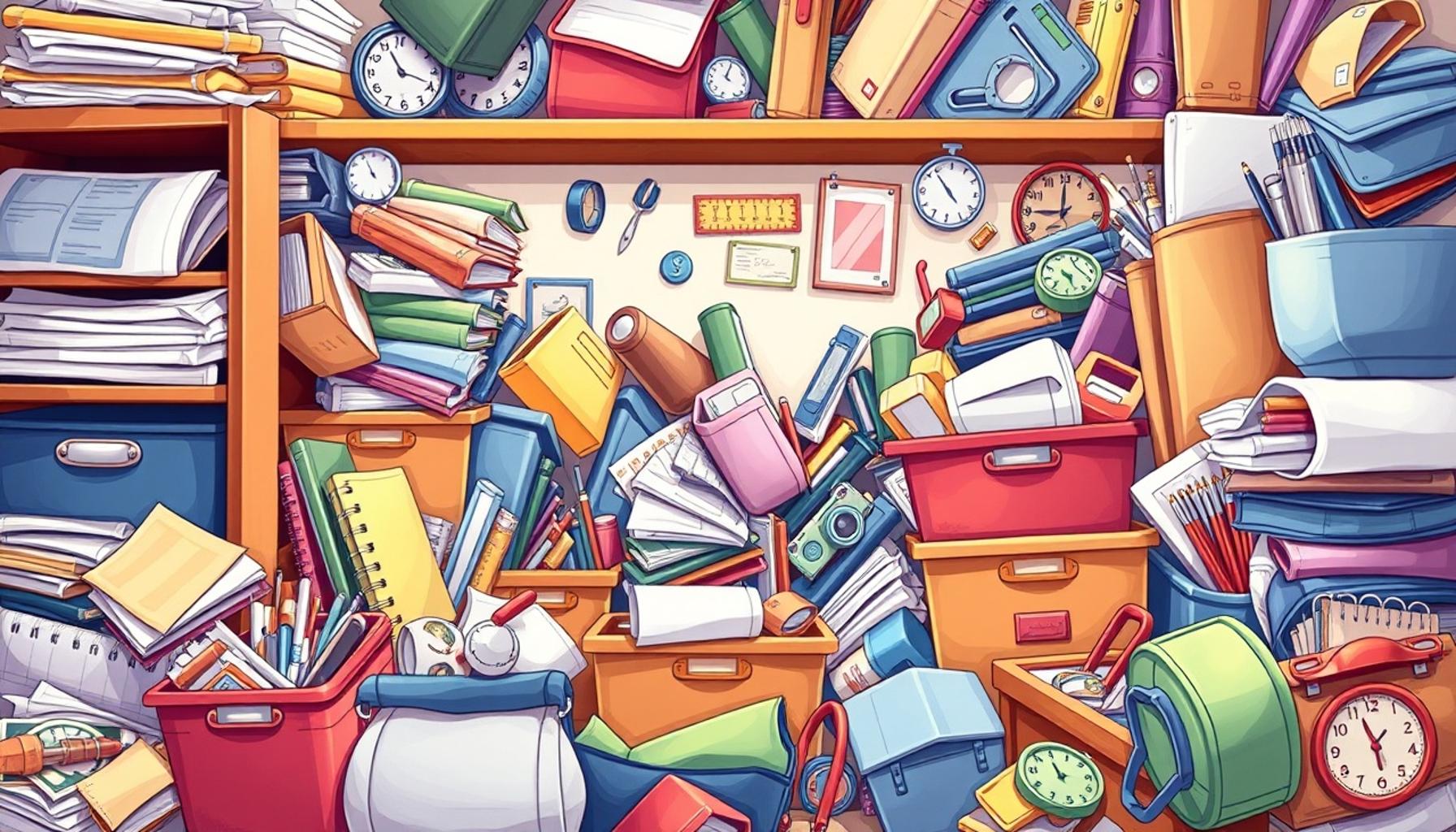
In today’s fast-paced world, clutter can quickly accumulate, turning serene spaces into chaotic environments. The overwhelming amount of possessions we gather can lead to stress and distraction, making it hard to find peace in our own homes. As more people become aware of the mental and physical toll that clutter can take, there is a growing movement towards minimalism. This lifestyle philosophy encourages individuals to focus on the essentials, ultimately reclaiming their homes and their lives. In this guide, we will explore practical strategies to help you simplify your surroundings, offering insights into the benefits and methods to declutter.
The Benefits of Reducing Clutter
Eliminating unnecessary items from your living space is essential for various reasons. First and foremost, mental clarity is a significant outcome of living in a decluttered environment. Studies have shown that people working in organized spaces report higher levels of concentration and creativity. For instance, a writer may find that a clean desk leads to a more productive writing session, free from distractions.
Moreover, when your surroundings are well-organized, you can enhance your overall efficiency. Imagine searching for an important document and being unable to find it amid piles of papers; this frustration can hinder your day. A tidy space allows you to locate items quickly, ensuring that you can utilize your time more effectively.
Additionally, a simplified environment positively impacts your personal well-being. The emotional weight of clutter can be heavy, often resulting in stress and anxiety. Creating a more controlled environment can lead to a sense of calm and satisfaction. After all, walking into a clean and orderly space can feel like a breath of fresh air, promoting a happier home life.
Embracing Minimalism: Techniques to Consider
Many Americans are now embracing minimalism, opting for a lifestyle that celebrates quality over quantity. To embark on this journey, consider incorporating the following techniques into your routine:
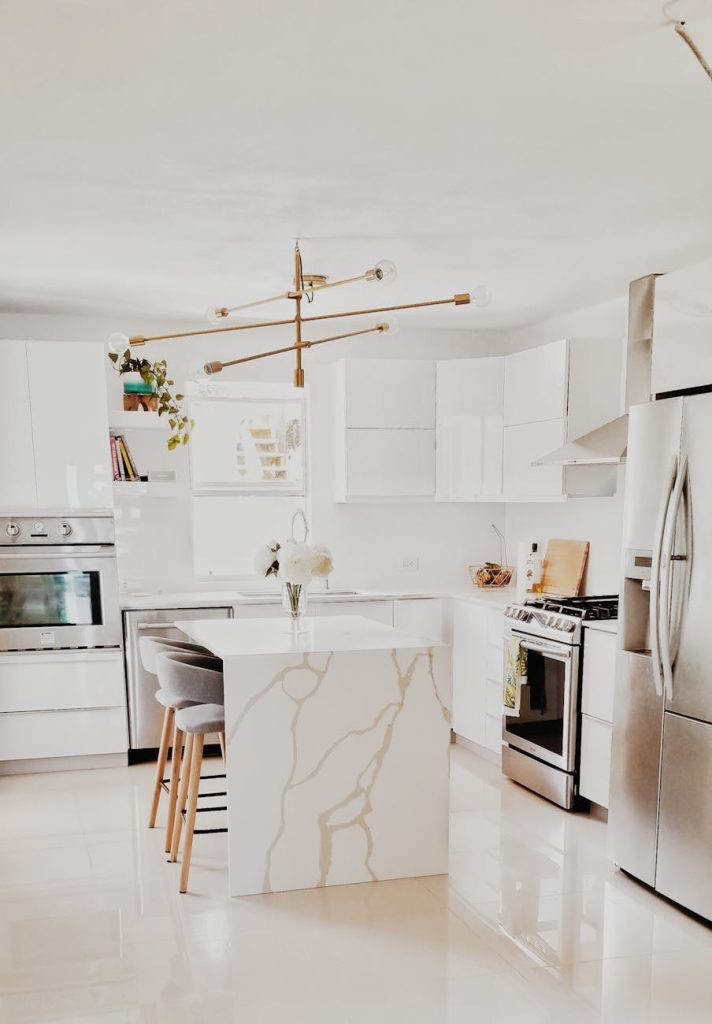
- Decluttering sessions: Dedicate specific times, perhaps monthly or seasonally, to go through your belongings. Consider utilizing the four-box method: keep, donate, sell, and toss, making the decision-making process easier.
- One in, one out: For every new item you bring into your home, consider removing one. This simple practice can prevent the accumulation of new clutter without sacrificing the items you cherish.
- Storage solutions: Invest in creative storage options such as under-bed containers, multi-functional furniture, or decorative bins. These practical solutions can help maximize your space and maintain visual harmony in your home.
As you delve deeper into the journey of simplification, keep in mind that minimalism is about finding what truly adds value to your life. By embracing the principles of a clutter-free lifestyle, you can transform your home into a sanctuary of tranquility. Start your journey towards minimalism today, and enjoy the myriad of benefits it brings!
Practical Steps to Start Your Minimalism Journey
Setting out on the path to minimalism involves more than just discarding excess belongings; it requires a fundamental shift in the way you view your possessions and space. By adopting a mindset that prioritizes quality over quantity, you can create a living environment that fosters peace and productivity. Here are some practical strategies to help you begin this transformation:
Develop a Decluttering Mindset
The first step in your journey to a clutter-free home lies in your mindset. Acknowledge that it may take time to detach from items that have sentimental value or those you may believe you will use “someday.” To assist with this process, a helpful approach is to engage in a 30-day declutter challenge. This involves removing one item on the first day, two items on the second day, and so forth, escalating the number of items you declutter daily. By the end of the month, you’ll witness a significant reduction in clutter, and perhaps a newfound perspective on what truly matters.
Incorporate the 80/20 Rule
Another valuable principle to consider is the 80/20 rule. This rule asserts that 80% of your outcomes result from 20% of your efforts. Applied to decluttering, it suggests that you likely use only 20% of your belongings regularly, while the remaining 80% may go untouched. To kickstart your decluttering efforts, focus on identifying the items you frequently use and wear, and consider parting with the rest. This technique not only simplifies your living space but also helps you become more conscious about the items you choose to keep.
Establish Zones for Your Items
Another practical strategy to maintain a clutter-free environment is to establish designated zones for different categories of items within your home. This tactic ensures that everything has a specific space, which can significantly reduce clutter over time. For instance:
- Entryway zone: Create a tidy spot for shoes, bags, and keys. Consider using hooks, baskets, or a small table with designated compartments.
- Living room zone: Limit decorative items and electronics. Choose a few statement pieces that reflect your style instead of overcrowding shelves and surfaces.
- Kitchen zone: Keep only essential utensils, dishes, and appliances in readily accessible areas, using the back of cabinets for infrequently used items.
These zones will not only help declutter but also promote a sense of organization that allows you to enjoy your space better. As you might discover, simply knowing where an item belongs can alleviate stress and save you precious time.
Embracing minimalism is an ongoing journey that requires consistent effort and self-reflection. Through the implementation of these practical strategies, you can gradually simplify your living environment, making room for a more fulfilling lifestyle. The goal is to create a home that serves you well and allows you to thrive, not merely exist among a sea of possessions.
Embrace the One-In-One-Out Rule
One of the most effective strategies for reducing clutter is adopting the one-in-one-out rule. This principle is simple: for every new item you bring into your home, you must remove one. This practice helps to maintain a clutter-free environment and encourages conscious consumption. When purchasing new items, think critically about their necessity and the impact on your living space. This creates a habit of mindful shopping that can significantly reduce future clutter.
Prioritize Multi-Functional Items
Choosing multi-functional items can dramatically minimize the number of possessions you need. For example, consider a coffee table that can serve as storage, or a sofa that transforms into a bed. By prioritizing versatile furniture and gadgets, not only do you save space, but you also allow your home to adapt to various needs without overcrowding.
Establish Dedicated Spaces
Creating detailed organization systems and dedicated spaces for items can reduce clutter significantly. Each item should have its own home, which makes it easier to find and return items after use. Consider using baskets, bins, or labeled containers to group similar items together. This not only enhances the aesthetic of your space but also simplifies cleaning and maintenance.
Digital Decluttering
Don’t forget about digital clutter, which can be just as overwhelming. Unsubscribing from unnecessary newsletters, organizing digital files, and deleting unused apps can lead to a serene digital environment. This contributes to an overall sense of minimalism, helping you focus on what matters most in your daily life. Regular digital decluttering should be a part of your routine to maintain clarity and productivity.
Schedule Regular Decluttering Sessions
Incorporating regular decluttering sessions into your schedule can keep your home organized. Set aside specific times each month to assess what items are no longer needed. This proactive approach prevents accumulation and helps reinforce your commitment to minimalism. It doesn’t have to be an overwhelming task; even tackling one drawer at a time can lead to significant progress.
Seek Support and Accountability
Finally, when embarking on a journey toward minimalism, consider seeking support from friends or family. They can provide both encouragement and a fresh perspective on what items may be unnecessary. Establishing accountability can motivate you to make better decisions regarding your possessions, further aiding your decluttering efforts. Sharing this experience can also transform the process into a fun and engaging activity.
Maximizing Your Space: Smart Storage Solutions
As you shift toward a more minimalist lifestyle, you may find that simply decluttering isn’t enough. Effective storage solutions can play a vital role in maintaining a clean and organized home. By rethinking how and where you store your belongings, you can free up space while keeping essential items within reach. Here are some innovative storage strategies to consider:
Multifunctional Furniture
Opting for multifunctional furniture is an excellent way to maximize space and minimize clutter. Items that serve double duty can help you make the most of your room without sacrificing style. For example, consider:
- Storage ottomans: These provide a comfy surface for seating while offering space to store blankets, books, or games.
- Convertible sofas: Ideal for small living spaces, these can transform from a cozy seating area to a guest bed in minutes.
- Under-bed storage: Use bins or drawers designed to fit under your bed, perfect for stowing away seasonal clothing or shoes.
By selecting furniture that offers storage capabilities, you can maintain a clean environment while ensuring everything has a designated place.
Vertical Storage Solutions
When floor space is limited, think vertically. Walls often go underutilized in most homes, but they can be a treasure trove for organization. Consider implementing:
- Wall-mounted shelves: These not only showcase your favorite books or decor but also keep floors clear. Install shelves above eye level to draw the eye upward.
- Cupboards and racks: Place racks in your kitchen or garage to hang pots, pans, or tools, making them easily accessible while freeing up drawer space.
- Hooks and pegboards: Use hooks in entryways for coats and bags or a pegboard in the garage for tools, ensuring items are both visible and easy to grab.
Taking advantage of vertical space allows you to maintain organization without encroaching on your limited floor area.
Implement a One-in, One-out Policy
Maintaining a minimalist environment requires continual diligence. One effective strategy is to establish a one-in, one-out policy. This means that for every new item you bring into your home, you must remove an existing item. This approach not only regulates impulse purchases but also reinforces the value of careful consideration when acquiring new belongings. It may also prompt discussions about the necessity and utility of each item in your life.
Additionally, this policy encourages you to assess your belongings regularly, potentially preventing future clutter buildup and making it easier to maintain a minimalist lifestyle.
Digitize Whenever Possible
Embracing modern technology can also help streamline your clutter reduction efforts. Digitalization offers a practical way to minimize physical items while retaining their significance. Here are some areas to consider:
- Photographs: Instead of keeping piles of albums or loose photos, scan them and store them digitally. Cloud services can provide an efficient way to back them up.
- Documents: Convert paper documents into digital formats. Utilize apps that allow you to scan, organize, and securely store important paperwork, reducing the need for filing cabinets.
- Books: If you’re an avid reader, consider exploring e-readers. This will drastically reduce the number of physical books you keep in your home.
By reducing your reliance on physical storage, you can significantly ease the burden of clutter while still enjoying access to cherished memories and necessary information.
Conclusion: Embrace the Minimalist Mindset
Reducing clutter at home is not merely about cleaning out your space; it’s a profound lifestyle shift that invites you to rethink your relationship with material possessions. The transition towards minimalism can lead to improved mental clarity, increased functionality in your living environment, and a deeper appreciation for what truly matters in life. By implementing practical strategies such as utilizing multifunctional furniture, maximizing vertical space, establishing a one-in, one-out policy, and embracing digitalization, you empower yourself to maintain a home that is both organized and serene.
The journey to a clutter-free home demands ongoing commitment and introspection. As you adopt these practical strategies, take time to reflect on your consumption habits and evaluate the emotional ties you have with your belongings. Rather than viewing minimalism as an austere lifestyle, consider it an opportunity to cultivate simplicity and focus on the essentials that enrich your life.
Remember, a minimalist home is not defined by how few items you own, but rather by the intentional choices you make in curating a space that promotes peace and functionality. So, are you ready to embark on your minimalist journey? Start small, stay mindful, and watch as your clutter transforms into clarity, bringing both wellness and harmony into your home. Explore further, experiment with what resonates with you, and make your sanctuary a true reflection of your values and aspirations.
Related posts:
Digital Organization: Tips for Controlling Clutter on Electronic Devices
Clutter Control in the Digital Era: Techniques to Maintain Order in a Connected World
Transforming Spaces: How Minimalism Can Revitalize Crowded Environments
The Psychology of Clutter: How Mess Affects Our Mental Health and Well-Being
The Impact of Clutter on Productivity: How an Organized Environment Can Increase Your Efficiency
The Journey of Minimalism: Inspiring Stories of Transformation Through Clutter Control

Linda Carter is a writer and organization expert specializing in minimalism and personal organization. With extensive experience helping individuals create clutter-free, functional spaces and adopt mindful habits, Linda shares her knowledge on our platform. Her goal is to empower readers with practical advice and strategies to simplify their lives, stay organized, and achieve a sense of calm and balance in their daily routines.