
Mindful Living: Integrating Mindfulness into the Creation of Minimalist and Functional Spaces

The Pursuit of Mindful Living
As our lives accelerate in pace, the demand for tranquility becomes more paramount than ever. Across the United States, individuals are increasingly tuning into the principles of mindful living—a practice that encourages us to be present in the moment and to find joy in simplicity. By weaving mindfulness into our everyday routines, we can create minimalist and functional spaces that not only foster well-being but also reflect our deepest values.
This journey begins with recognizing that mindful living involves much more than merely decluttering our physical surroundings; it is also an invitation to clear our mental clutter. As we navigate through the distractions of modern life—whether they be incessant notifications on our devices or the overwhelming abundance of material possessions—we can benefit significantly from reassessing what we truly need.
Benefits of Mindful Spaces
The advantages of cultivating a mindful environment are manifold:
- Increased focus: A tranquil and uncluttered space can significantly contribute to enhanced concentration. Research indicates that environments with minimal distractions promote better cognitive functioning, making it easier to accomplish tasks effectively.
- Enhanced creativity: When our living or workspaces are free of unnecessary distractions, we open ourselves up to creative thinking. Many artists and thinkers credit their creativity to the simplicity and orderliness of their environments.
- Improved mental health: Studies have shown a correlation between minimalist living and lower stress levels, making it easier for individuals to maintain a positive mindset and engage in meaningful activities.
Transforming Your Space
To embark on the path of mindful living, it’s essential to evaluate our surroundings and our relationships with our possessions. This process can be both liberating and fulfilling. Here are a few key features to consider as you reimagine your space:
- Intentional decor: Choose items that not only serve a purpose but also evoke positive emotions. For example, instead of overwhelming your walls with art, select a few cherished pieces that resonate deeply with you.
- Functionality: Embrace items that enhance your daily life. Invest in furniture that is both aesthetically pleasing and serves a specific function, ensuring it contributes to the overall harmony of your space.
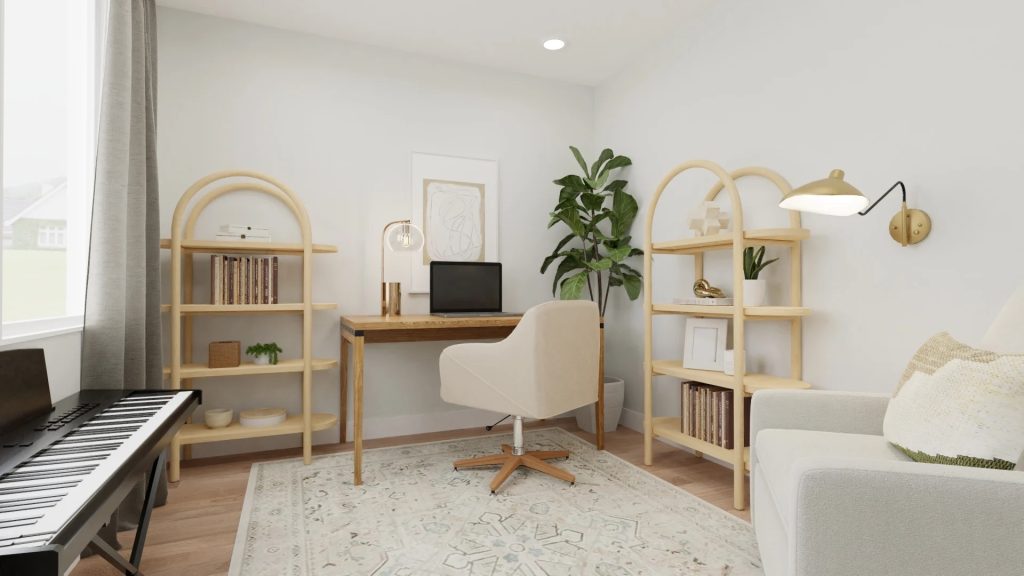
- Natural elements: Engage with nature by incorporating plants, which not only purify the air but also create a more inviting atmosphere. Natural light can drastically change a room’s energy as well, so consider ways to maximize sunlight in your home.
As you consider these practices, remember that the essence of mindful living lies in creating a space that nourishes your mind and spirit. The transformation towards simplicity and functionality is not merely about aesthetics; it is a deeper commitment to aligning your external environment with your internal peace. Join the movement towards mindful living and discover how these changes can lead you to a more fulfilling and yet uncomplicated life.
Embracing the Journey of Minimalism
At the heart of mindful living lies a profound awareness of one’s surroundings and the impact they have on our emotions and daily experiences. As we delve deeper into the art of creating minimalist and functional spaces, it is important to understand that this journey is not merely about stripping away possessions. Instead, it is about cultivating an intentional relationship with the things we own. This relationship is guided by the question: what truly adds value to our lives?
Understanding Minimalism
Minimalism is often perceived as a lifestyle choice characterized by the desire to own fewer possessions. However, its true essence resonates at a deeper level. It encourages us to focus on quality rather than quantity, emphasizing the importance of intentionality in our choices. This approach, which resonates deeply with the principles of mindfulness, invites us to reflect on our host of items and assess whether they genuinely contribute to our well-being or simply fill space.
When considering a shift towards minimalism, recognize the importance of the following aspects:
- Mindful consumption: The act of purchasing should be a thoughtful endeavor. Engaging in practices such as the ‘one in, one out’ rule can help maintain balance in our spaces. For instance, every time a new item enters your home, make a conscious decision to let go of something else.
- Emotional attachment: Items we possess often carry memories or emotions. Take the time to evaluate whether these connections enhance your quality of life. Sentimental objects can still exist in a minimalist environment; it’s about the intentionality that matters.
- Transformative rituals: Incorporating rituals into your daily life, such as practicing gratitude for what you own or regularly reassessing your belongings, nurtures a mindset attuned to mindful living.
Cultivating Functional Spaces
When we think about creating functional spaces, it is essential to prioritize utility and accessibility. A functional space not only supports daily activities but also promotes a sense of calm and stability. Here are some design principles to embody:
- Open layouts: Consider an open floor plan that reduces barriers within your space. This approach allows for greater flow and encourages interaction while promoting a serene atmosphere.
- Adaptable furniture: Choose flexible furniture that can be rearranged to suit different activities or gatherings. Multi-purpose items encourage a dynamic environment that responds to your evolving needs.
- Declutter regularly: Set aside time—weekly or monthly—to go through your belongings. This practice not only reinforces your commitment to minimalism but also creates opportunities to evaluate what remains truly essential.
As you embark on this journey of mindful living, keep in mind that each decision contributes to your overall sense of peace. By integrating mindfulness into the design of your spaces, you are not merely creating a more streamlined and organized environment; you are nurturing a lifestyle that reflects intention, serenity, and purpose. The beauty of minimalist and functional spaces lies in their ability to resonate with who we are, allowing us to cultivate a profound sense of belonging and satisfaction.
| Advantage | Details |
|---|---|
| Enhanced Well-being | Mindfulness promotes a sense of peace and reduces anxiety, contributing to overall mental health. |
| Clutter Reduction | A minimalist approach encourages eliminating unnecessary items, thus supporting a more organized living environment. |
| Improved Focus | Creating spaces that foster mindfulness helps enhance concentration and productivity. |
| Connection with Nature | Incorporating natural elements into spatial design encourages a bond with the environment, promoting serenity. |
Integrating mindfulness into your living space can transform the way you experience your surroundings. It extends beyond mere aesthetics; it involves creating an atmosphere where every item serves a purpose and contributes to your personal well-being. When you embrace minimalist design, you not only declutter your physical space but also your mental space, enabling clearer thoughts and enhanced creativity. By observing the principles of functional design, you empower your environment to work for you – every object is intentional, simplifying your interactions and daily habits. Emphasizing natural light and organic materials can promote a healthy living experience and instill a calming vibe. As you explore the essentials of mindful living, remember that it is about cultivating a space that resonates with peace and supports a lifestyle rooted in thoughtful awareness. The journey into creating such a sanctuary can lead to profound discoveries about yourself and your needs. Seek out new inspirations that speak to you and align with your personal definition of tranquility and functionality.
Designing with Intention
In the realm of mindful living, the design of our spaces plays a crucial role. Thoughtful consideration of how we arrange, decorate, and utilize our environments can significantly impact our mental and emotional well-being. As we seek to create minimalist and functional spaces, it is vital to approach design with intention, ensuring that our surroundings not only meet our basic needs but also inspire and uplift us.
Colors and Textures That Nurture
The colors and textures we incorporate into our spaces can evoke different moods and feelings. Research suggests that color psychology influences our emotional states; for instance, blues and greens can create a sense of calm, while warmer hues might stimulate creativity and energy. When designing your home, consider these aspects:
- Neutral palettes: Selecting a neutral color scheme allows for a versatile backdrop that can be accented with purposeful splashes of color through decor and art. This approach fosters tranquility and a sense of spaciousness.
- Natural materials: Incorporating elements such as wood, stone, and organic fabrics can enhance the sensory experience of your environment. These materials not only create a connection with nature but also add warmth and comfort to any space.
- Thoughtful accents: Limit decorative items to those that resonate personally or serve a purpose. Each accent should tell a story or evoke a memory, contributing to the overall emotional palette of your space.
Creating Zones for Mindful Activities
To cultivate a balanced lifestyle, consider segmenting your living space into distinct zones that cater to various activities. This intentional layout encourages mindfulness by designating areas for focused tasks, relaxation, and social interaction.
- Work zones: Whether designated as a home office or a reading nook, creating a dedicated workspace helps facilitate productivity and concentration. Use furniture that supports ergonomic practices to enhance comfort during work hours.
- Relaxation areas: Designate a corner of your home for relaxation, outfitting it with comfortable seating and soft lighting. Incorporate elements that promote serenity, such as plants or calming artwork, which can elevate your state of mind.
- Social spaces: Plan communal areas that foster connection. An inviting dining room or a cozy living area can transform your home into a sanctuary for gathering, encouraging mindful interactions with loved ones.
Nature’s Influence on Mindful Living
Bringing elements of nature indoors not only enhances aesthetic appeal but can also significantly uplift our mood and mental clarity. Utilizing biophilic design principles, which emphasize humanity’s connection to nature, can enrich your minimalist space.
- Indoor plants: Incorporate a variety of plants that thrive indoors to purify the air and bring life into your spaces. Plants such as snake plants or pothos require minimal maintenance yet provide substantial benefits in enhancing the atmosphere.
- Natural light: Maximize the influx of natural light by strategically placing mirrors or ensuring windows are unobstructed. Natural light has been shown to improve mood and increase productivity, making it a fundamental element of a mindful living environment.
- Outdoor connections: Design your spaces to connect with outdoor areas, such as patios or gardens. This seamless flow can encourage outdoor activities that promote mindfulness, such as meditation or yoga.
Ultimately, the journey of integrating mindfulness into the creation of minimalist and functional spaces is an ongoing endeavor. By considering the emotional, sensory, and practical aspects of your living environment, you can craft a space that not only reflects your personal aesthetic but also nurtures your overall well-being.
Embracing Mindfulness in Design
In conclusion, the pursuit of mindful living extends far beyond mere aesthetics; it invites us to embrace a lifestyle rooted in intentionality, harmony, and simplicity. By integrating mindfulness into the creation of minimalist and functional spaces, we foster environments that resonate with our personal values and aspirations. Through careful consideration of color, texture, and the thoughtful arrangement of our living areas, we can profoundly impact our mental and emotional well-being.
As we navigate our busy lives, establishing dedicated zones for various activities allows us to anchor our routines in mindfulness, from fostering concentration in our workspaces to nurturing connections in shared areas. Furthermore, infusing our homes with elements of nature not only serves to enhance visual appeal but also cultivates a sense of peace and vitality that is essential for our well-being.
Ultimately, the journey of creating mindful spaces is a personal and evolving process. It encourages a deeper connection with ourselves and our surroundings, prompting us to live purposefully and authentically. As you embark on this path, consider how each design choice contributes to your mental clarity, emotional health, and overall happiness. This ongoing exploration leads not only to beautifully curated spaces but to a life that is enriching, balanced, and deeply fulfilling. Embrace the power of mindfulness and witness how it transforms your living space into a sanctuary for your mind and spirit.
Related posts:
Deconstructing Consumerism: How Living with Less Can Increase Awareness
Conscious Organization: Integration of Mindful Living into Daily Routine
Mindful Living in Motion: Organizational Techniques for Travel and Moves with Awareness
Mindful Living: Establishing Healthy Boundaries for a Minimalist Lifestyle
The Power of Silence: Integrating Moments of Reflection in the Practice of Minimalism
Mindful Living: How Practicing Gratitude Can Enhance Satisfaction in a Minimalist Lifestyle

Linda Carter is a writer and organization expert specializing in minimalism and personal organization. With extensive experience helping individuals create clutter-free, functional spaces and adopt mindful habits, Linda shares her knowledge on our platform. Her goal is to empower readers with practical advice and strategies to simplify their lives, stay organized, and achieve a sense of calm and balance in their daily routines.