Multifunctional Spaces: How Minimalism Transforms Environments Into Versatile and Functional Areas
Redefining Living Areas
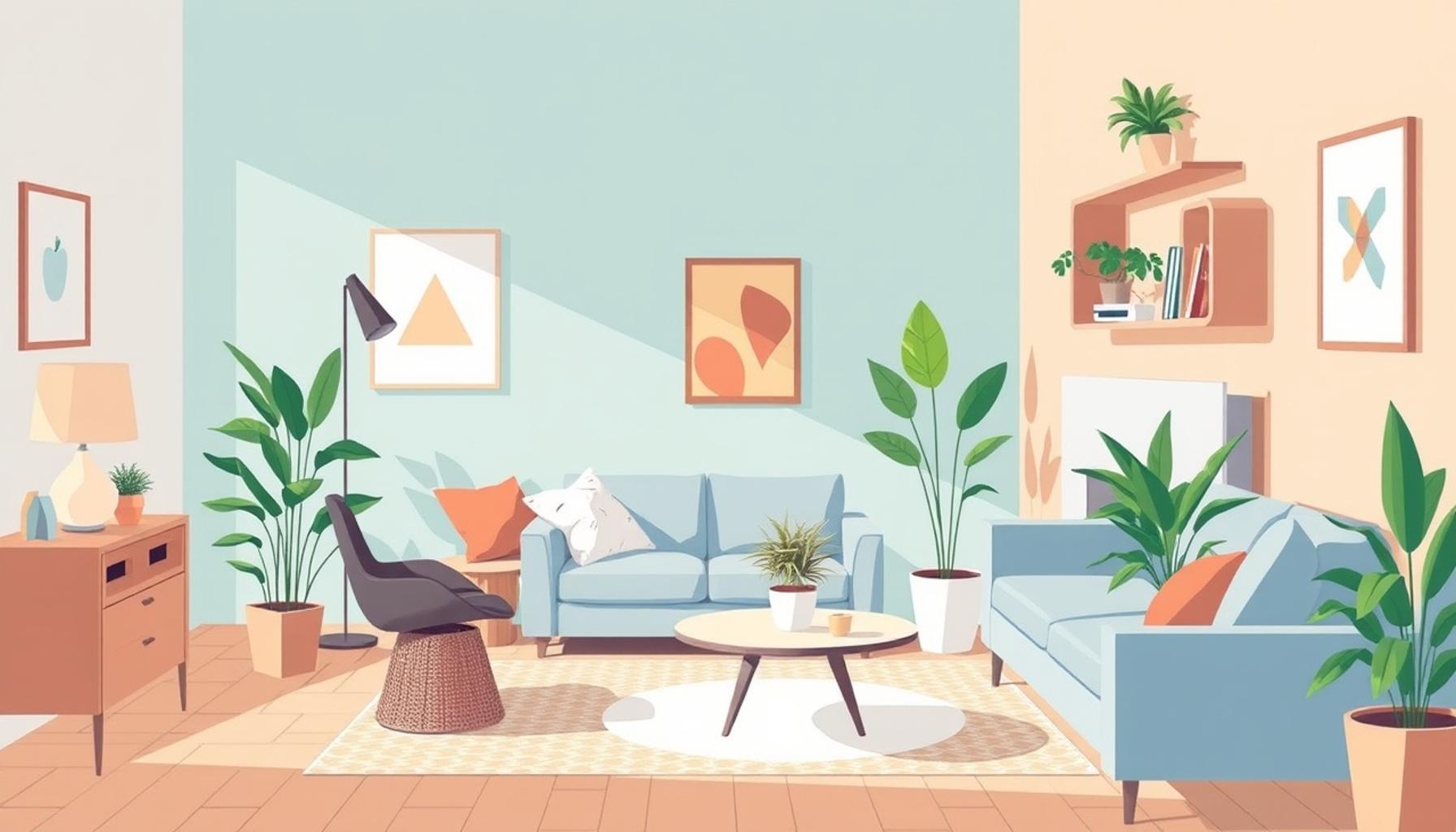
As modern lifestyles evolve, the demand for multifunctional spaces has surged. This shift is not just a trend; it’s a response to the need for practicality and efficiency in living environments, especially as urban populations continue to grow. The minimalist philosophy, which promotes the idea that less is indeed more, encourages individuals to assess their surroundings and prioritize functionality alongside aesthetics. This approach fosters the creation of spaces that are not only stunning but also adept at serving multiple purposes.
Embracing Versatility
The minimalism movement has redefined how we view our living areas, emphasizing the importance of every item we include in our homes. Here are some notable features that characterize multifunctional spaces:
- Furniture with Dual Purpose: Innovations such as sofa beds allow for comfortable seating during the day and easily convert into a bedroom at night, saving vital space. Similarly, extendable dining tables can accommodate intimate dinners for two or transform into large dining experiences for family gatherings, showcasing flexibility.
- Open Floor Plans: By removing unnecessary walls, homeowners can create open spaces that foster interaction and allow various activities to coexist. This removes barriers, encouraging a sense of community within private living spaces, and enhances natural light and airflow.
- Smart Storage Solutions: Innovations such as hidden compartments in furniture and multifunctional shelving enable residents to store belongings cleverly, keeping the area clutter-free. For example, ottomans that double as storage boxes can hold books or blankets, providing a neat solution while remaining stylish.
Beyond visual appeal, this transition towards multifunctionality directly addresses the practical challenges faced by many urban dwellers in the United States. As more individuals find themselves in smaller apartments, the ability to adapt space for different functions becomes essential for effective living.
Creating Efficient Environments
Minimalism paves the way for designing more efficient environments. In light of this, consider how common living scenarios can be transformed:
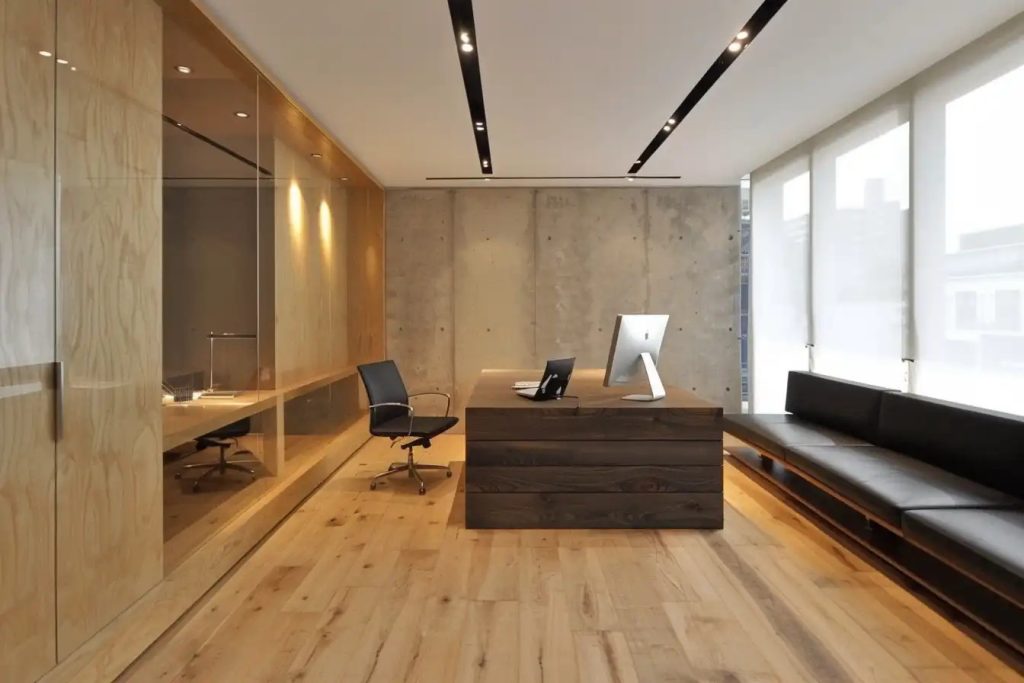
- Home Offices: As remote work becomes increasingly prevalent, homeowners are creatively incorporating workspaces into traditional living areas. A corner with a compact desk and stylish chair can serve as a productive office without sacrificing the aesthetic of the home.
- Multi-use Rooms: Guest rooms can transform into exercise areas, featuring foldable gym equipment that disappears when not in use. This flexibility maximizes space functionality, responding to the holistic needs of modern lifestyles.
- Flexibility in Function: As the day transitions into night, rooms can shift usage seamlessly. For instance, a playful living room during the day can morph into a cozy media room as evening falls, creating an adaptable environment that supports various activities.
Exploring how minimalism reshapes home environments allows for a greater appreciation of the creative solutions that can enhance our daily lives. Engaging with the concept of multifunctional spaces opens up myriad possibilities for enhancing one’s living experience, catering to both practical needs and personal tastes. Embrace the transformation of your surroundings and discover how these principles can elevate your lifestyle.
Designing with Intent
The essence of minimalism is not merely about decluttering; it is about designing with intention. As homeowners become more discerning about their living spaces, the approach shifts toward creating environments that serve multiple functions seamlessly. Every square foot matters, particularly in densely populated areas where space is at a premium. Hence, the focus on multifunctional spaces becomes crucial in optimizing one’s home. This is especially pertinent in urban environments such as New York City or San Francisco, where apartments often come with limited square footage.
Key Elements of Multifunctional Design
When adopting a minimalist approach to space utilization, several design elements emerge as pivotal in achieving a harmonious and functional environment:
- Modular Furniture: Homeowners are increasingly turning to modular furniture solutions that can be reconfigured according to need. For example, modular sofas allow for numerous configurations, effortlessly transitioning from a casual seating area to a cozy gathering space without additional furnishings.
- Transformable Spaces: Walls that slide or fold can redefine the layout of a room instantaneously. Such flexibility enables spaces to morph from an open layout for socializing into secluded areas for relaxation or work as required.
- Multi-functional Decor: Items that serve dual purposes—such as decorative screens that also provide privacy or artwork that can be used as functional storage solutions—speak to the heart of multifunctional design. This trend not only minimizes clutter but also maximizes the aesthetic appeal of the environment.
The drive towards multifunctionality in design speaks to a broader cultural shift in the United States. Many people are now prioritizing experiences and practicality over material possessions. As such, spaces that can adapt to various activities or moods are becoming more desirable. The influence of remote work has only accelerated this need; homeowners increasingly seek to create environments that can inspire productivity during the day and relaxation come nightfall.
Adapting to Lifestyle Changes
The integration of minimalist principles in multifunctional spaces also reflects the importance of adapting to changing lifestyles. For many, this means incorporating elements that not only meet current needs but can also evolve over time. Consider some contemporary scenarios that illustrate this adaptability:
- Family Dynamics: In homes with children, spaces must transition from playful zones to quiet study areas as kids grow older. A living room outfitted with a wall-mounted desk or a fold-out play table allows for this fluidity, ensuring the space remains relevant.
- Guest Accommodations: The need for unexpected guests calls for an efficient use of space. Convertible furniture that holds bedding supplies or a hidden Murphy bed can be the perfect solution, making the most of the available area.
- Seasonal Adjustments: For residents in varied climates, the ability to repurpose space according to the season can enhance the living experience. An outdoor space, for example, can be furnished with weather-resistant pieces for summer gatherings, while being utilized for storage or relaxation in the colder months.
By embracing the principles of minimalism, homeowners can cultivate environments that are not only aesthetically pleasing but also remarkably versatile. Understanding the potential of multifunctional spaces fosters a deeper appreciation of design that prioritizes both form and function, leading to a more fulfilling lifestyle.
The Aesthetic of Minimalism in Multifunctional Design
Minimalism is not merely a style; it’s a philosophy that encourages simplicity and intentionality in design. One key advantage of adopting a minimalist approach in multifunctional spaces is the cultivation of a tranquil environment that promotes productivity and mental well-being. In a world overwhelmed by distractions, minimalism declutters not just the physical space but also mental space, allowing individuals to focus on priorities.
Examples of Minimalist Multifunctional Spaces
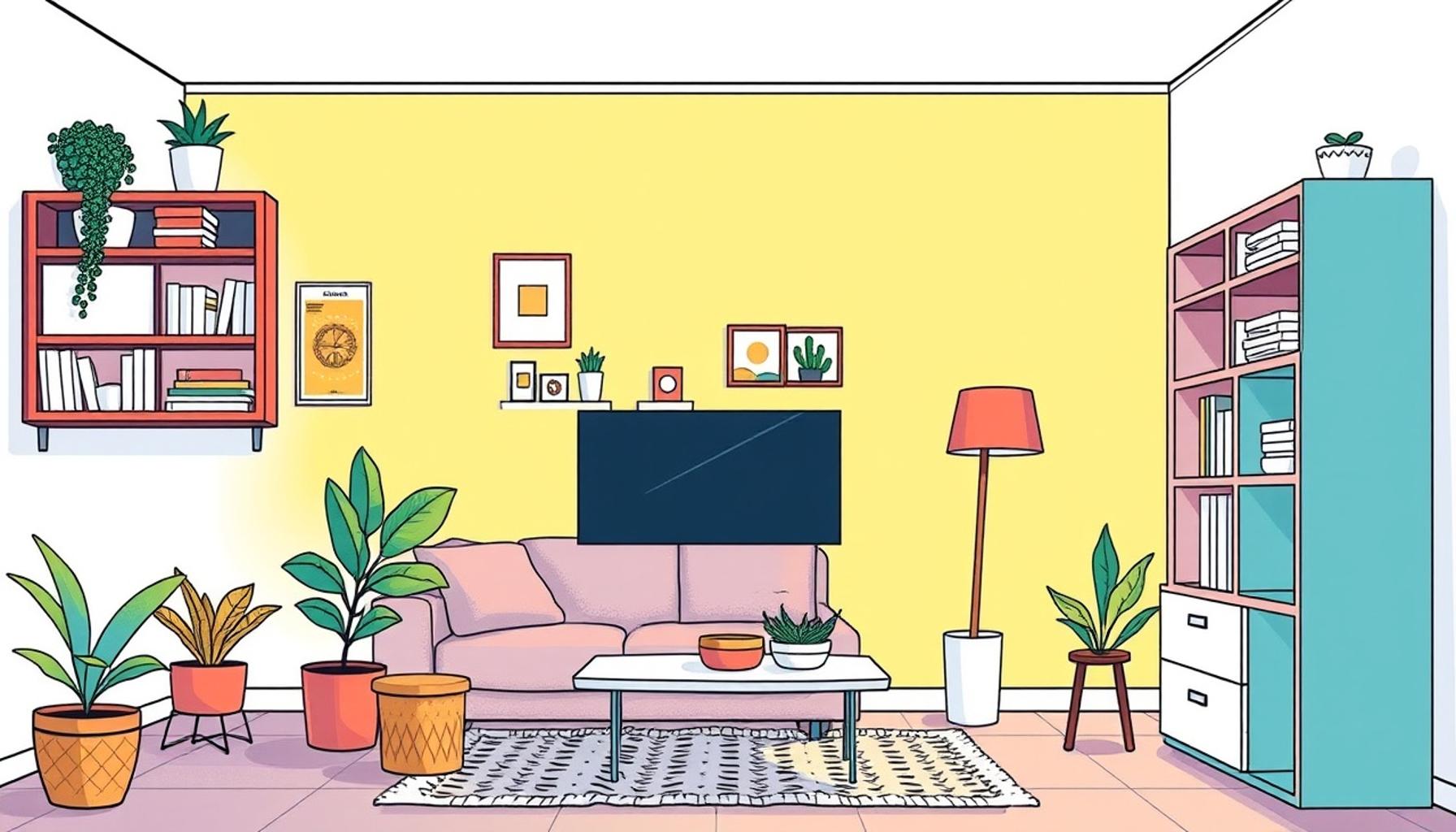
Consider a living room that doubles as a workspace. By incorporating modular furniture, such as a sofa bed or a fold-out desk, the area can seamlessly transition between a comfortable relaxation zone and a professional setting. This adaptability is not just a compromise on aesthetics; it’s an invitation for innovation in how space is utilized.
The Importance of Natural Light and Open Layouts
Another integral concept in minimalist design is the use of natural light and open layouts. Walls are often removed or modified to create flow, merging spaces and preventing the constriction typically found in overly partitioned rooms. This fluidity can harness light to enhance not only the visual appeal but the functional use of areas. Many homeowners are opting for large windows or skylights, maximizing daylight and making spaces feel larger.
| Category | Description |
|---|---|
| Aesthetic Appeal | Minimalism creates a visually pleasing atmosphere that fosters focus. |
| Functional Versatility | Spaces can serve multiple purposes, effectively utilizing every square foot. |
Sustainable Practices in Multifunctional Design
Furthermore, embracing minimalism can often align with sustainability. Fewer materials lead to reduced waste and lower environmental impact. Many minimalist designs focus on creating timeless pieces that do not require frequent replacements, which is advantageous for both the wallet and the planet.
Innovative Applications of Minimalism
As the principles of minimalism take root deeper in architectural and interior design, innovative applications are emerging to redefine our understanding of multifunctional spaces. Several industries and sectors are adapting these ideas to maximize usability while promoting sustainable practices. The beauty of minimalism lies in its ability to simplify spaces and elevate experiences without compromising on function.
Commercial Spaces Embracing Flexibility
In the commercial realm, businesses increasingly recognize the value of multifunctional environments. For instance, coworking spaces in major cities like Chicago and Austin exemplify how minimalistic design fosters collaboration amongst diverse groups. These spaces often contain movable partitions, enabling easy reconfiguration for group brainstorming sessions, workshops, or quiet working pods. By catering to varying work styles—whether it is an open-bay setup for creativity or private alcoves for focus—these designs promote productivity through flexibility.
Reducing Environmental Impact
The minimalist approach in multifunctional design not only optimizes space but also significantly reduces environmental impact. By prioritizing items that fulfill multiple roles, individuals can intentionally limit their consumption. For example, using one piece of furniture as both seating and storage diminishes the need for additional items, thereby reducing material waste. According to a study by the National Association of Home Builders, homes that incorporate many multifunctional elements consume around 60% less energy during peak times compared to traditional homes, offering both economic and ecological benefits.
Moreover, sustainable materials like reclaimed wood or recycled metals are increasingly utilized in the making of multifunctional furniture. These choices reflect a rising trend toward creating elegant yet environmentally conscious living spaces, embodying the very ethos of minimalism.
Smart Technology Integration
Advancements in smart technology also play a significant role in transforming environments into multifunctional spaces. Utilizing voice-activated systems for lighting, heating, and security can help maximize the functionality of a small area. For example, Apple’s HomeKit and Amazon’s Alexa allow residents to control multiple aspects of their environment simultaneously, facilitating the transition from work mode to relaxation mode without the hassle of physically adjusting each element.
The rise of smart furniture, such as desks that can convert from standing to sitting positions or sofas that can expand into beds at the touch of a button, highlight an innovative intersection of minimalism and technology. This tech-savvy approach not only enhances convenience but also reflects the evolving needs of modern lifestyles, where flexibility and efficiency are paramount.
Artistic Minimalism as a Design Principle
Artistic minimalism is another avenue that enriches multifunctional design. In recent years, the art movement has influenced architectural choices, encouraging the use of bold visual elements that double as functional structures. Sliding barn doors, for instance, serve not only as room dividers but also as stunning focal points that imbue spaces with character.
Artists and designers are now collaborating to create installations that blur the line between art and utility. These can range from sculptures that also provide seating in public parks to wall murals that incorporate hidden storage. This fusion of aesthetics and practicality exemplifies how minimalism transforms environments, creating spaces that are not only visually appealing but also conducive to a variety of activities.
As the quest for more meaningful and usable spaces continues, the ongoing evolution of minimalist principles will pave the way for a future where versatility is the hallmark of design. From residential areas to commercial setups, the integration of multifunctional design encourages a more thoughtful and sustainable way to live and work. Each innovative application reinforces the significance of minimalism in crafting environments that foster adaptability in a rapidly changing world.
Conclusion: Embracing Versatility Through Minimalism
As our lives become increasingly fast-paced and dynamic, the need for multifunctional spaces has never been more pronounced. The philosophy of minimalism offers a transformational lens through which environments can be crafted to serve various purposes while maintaining an uncluttered aesthetic. This embraces not only the functionality of spaces but also prioritizes sustainability, encouraging us to make conscious choices about the resources we consume and the way we live.
From commercial spaces that adapt to diverse needs to smart technological integrations that streamline our daily routines, the applications of minimalism highlight its relevance in modern design. Furthermore, the artistic dimension of minimalism fosters creativity, encouraging a harmonious blend of beauty and utility that resonates with homeowners and designers alike. This represents a shift towards recognizing that our physical surroundings can significantly influence our mental and emotional well-being.
Looking ahead, it is clear that the minimalist approach is more than just a design trend; it is an evolving art form that reflects societal changes and the growing desire for simplicity and authenticity in our environments. As industries and individuals continue to explore the potential of multifunctional spaces, we can expect innovative designs that prioritize flexibility and adaptability, ultimately enriching our lives. The journey into creating versatile and functional areas is a testament to how, through minimalism, we can redefine our spaces for a brighter, more sustainable future.
Related posts:
Creating Functional Environments: Space Optimization Strategies Inspired by Minimalism
The Art of Living with Less: Organization Techniques for Compact Spaces
Maximizing Small Spaces: Space Optimization Strategies in Minimalist Environments
Minimalism in the Office: How to Organize Your Workspace to Increase Productivity
Demystifying Minimalism: How to Select What Truly Matters in Your Space
The Art of Letting Go: How Minimalism Facilitates Space Optimization at Home

Linda Carter is a writer and organization expert specializing in minimalism and personal organization. With extensive experience helping individuals create clutter-free, functional spaces and adopt mindful habits, Linda shares her knowledge on our platform. Her goal is to empower readers with practical advice and strategies to simplify their lives, stay organized, and achieve a sense of calm and balance in their daily routines.