
The Art of Letting Go: How Minimalism Facilitates Space Optimization at Home
Embracing Change through Minimalism
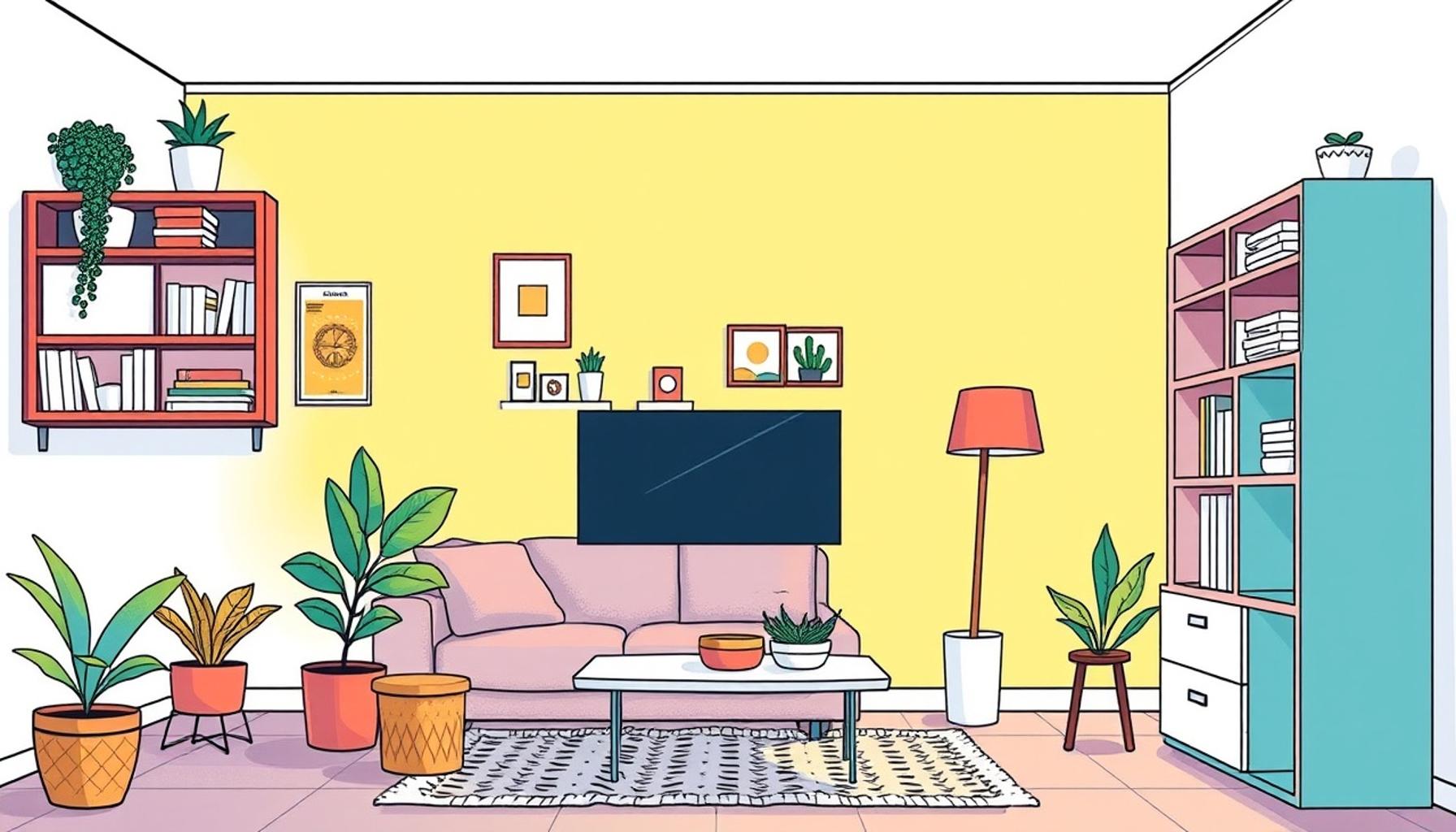
In today’s fast-paced world, clutter can easily become overwhelming. The transition to a minimalist lifestyle offers a refreshing perspective, emphasizing the art of letting go. This approach not only simplifies living spaces but also enhances mental clarity and productivity. By reducing distractions and prioritizing mindful living, individuals can discover new joys in the simplicity of their surroundings.
Why Choose Minimalism?
Minimalism is more than just a trend; it’s a philosophy that advocates for:
- Reduced Clutter: Removing excess items creates a sense of peace. Imagine walking into a room that is devoid of unnecessary items, allowing your mind to breathe and focus on what truly matters.
- Enhanced Focus: A clean environment boosts concentration. Studies have shown that individuals in orderly spaces tend to perform better on tasks requiring attention and cognitive skills.
- Emotional Liberation: Letting go of physical possessions can lead to emotional freedom. Many people find that by decluttering, they release the emotional weight tied to those items, creating space for new, positive experiences.
Implementing minimalism doesn’t require a drastic lifestyle overhaul. Instead, it can be approached step by step through effective space optimization techniques. Whether you live in a small apartment in New York City or a sprawling house in the suburbs, the principles of minimalism apply universally. By making small adjustments over time, it’s possible to cultivate a more peaceful environment.
Key Principles of Space Optimization
Understanding how to optimize your space can transform your home experience. Key principles include:
- Prioritizing Functionality: Ensuring each item has a purpose enhances usability. For example, if you’re using a kitchen utensil that you haven’t touched in years, it might be time to consider its real contribution to your life.
- Choosing Versatile Furniture: Multi-functional pieces can save space. Consider a coffee table with built-in storage or a sofa bed for guests, effortlessly combining comfort with practicality.
- Cultivating a Mindful Inventory: Regularly assessing what you own helps maintain minimalism. U.S. residents may find it useful to adopt the “one in, one out” rule, where acquiring a new item necessitates parting with another, preventing accumulation.
Through this article, we will explore how adopting a minimalist mindset and embracing the art of letting go can lead to a more fulfilling and optimized home environment. Are you ready to unlock the potential of your living space? Embrace this journey of transformation and discover the freedom that comes with living minimally.
Discovering the Benefits of Minimalism
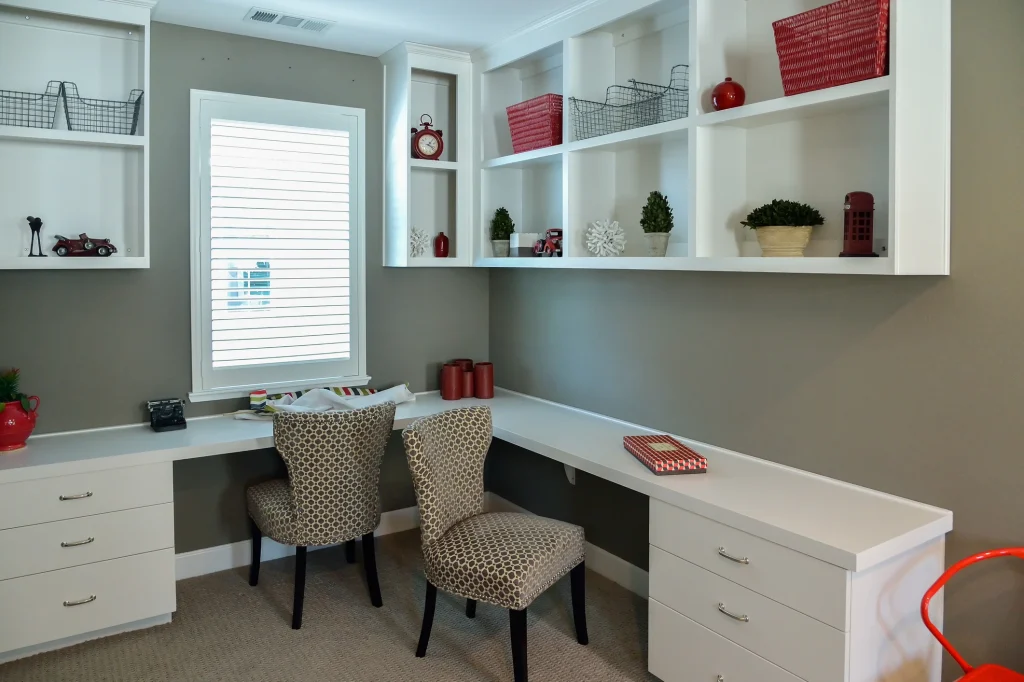
As homeowners gradually transition into a minimalist lifestyle, they often find that the art of letting go goes beyond mere decluttering. It becomes a holistic approach that redefines their relationship with their possessions and living spaces. Embracing minimalism encourages individuals to become more intentional about their belongings, leading to meaningful changes in how they live and function daily.
One of the primary benefits of minimalism is the creation of mental clarity. A clutter-free environment not only promotes serenity but also catalyzes productivity. According to research from the Princeton Neuroscience Institute, physical clutter can actually impede cognition and make it difficult for individuals to focus on tasks at hand. By opting for an organized, minimalist space, homeowners are likely to experience a boost in efficiency and reduced stress.
Steps to Embrace Minimalism
Adopting a minimalist lifestyle does not need to feel daunting and can be implemented in manageable steps. Here are some fundamental actions to consider:
- Start Small: Begin by focusing on one area at a time, such as a single room or even a specific drawer. This makes the task feel less overwhelming and more achievable.
- Adopt a Purging Mindset: When evaluating items, ask yourself whether they serve a purpose or spark joy. A useful rule of thumb is to consider the last time you used an item; if it has been over a year, it may be time to let it go.
- Embrace Quality Over Quantity: Invest in fewer, high-quality items instead of accumulating numerous cheaper alternatives. Not only does this save space, but it also allows for a more curated and thoughtful collection of belongings.
- Incorporate a Minimalist Mindset: Think about your purchases and practices daily. As you engage in shopping or acquiring new items, remember that less is more—each addition should add substantial value to your life.
As you work toward implementing these strategies, remember that minimalism is ultimately about the experience of living deliberately. The journey doesn’t stop at decluttering your physical space; it expands into embracing a lifestyle focused on intentionality and appreciation. By practicing mindfulness in consumption and maintaining a critical eye on your possessions, it is possible to achieve greater fulfillment and freedom within your home environment.
Now, as you begin to adopt these principles, imagine how much more enjoyable your home will be, devoid of distractions and equipped with only what you need. The path to minimalism can be liberating, offering opportunities for new experiences and deeper connections with both yourself and your living space.
| Advantage | Description |
|---|---|
| Enhanced Functionality | By adopting a minimalist approach, individuals can better utilize every inch of their space, allowing for improved day-to-day activities. |
| Aesthetic Appeal | Minimalism often leads to a cleaner, more orderly look that can greatly enhance a home’s visual appeal, making it more inviting and relaxing. |
The emotional aspect of minimalism cannot be overlooked. Embracing this lifestyle cultivates a sense of peace and calmness as the distractions of clutter are diminished. This creates a space that not only looks inviting but feels like a retreat from the world outside. In doing so, a well-optimized home fosters a more meaningful existence, allowing individuals to focus on what truly matters. From reducing decision fatigue to encouraging mindfulness, the benefits of minimalism extend far beyond mere aesthetics.Additionally, minimalism encourages sustainability. By consciously choosing to keep only the essentials, individuals are less likely to contribute to the phenomenon of consumerism, thus positively affecting the environment. This shift can inspire conscious living, where decisions regarding purchases and possessions are deeply considered. Moreover, families often find that minimalism can enhance communication and connection among members by minimizing distractions and promoting shared experiences. As you explore the fascinating world of minimalism, consider how your own space can be transformed, making daily life not just manageable, but increasingly fulfilling.
Creating Functional Spaces Through Minimalism
In the quest for a minimalist home, space optimization extends beyond just decluttering; it involves redesigning your living spaces to maximize functionality. A minimalist environment prioritizes the essential, turning every corner into an opportunity for utility rather than a storage area filled with unused items. This shift allows for a more fluid and spacious home, where movement and interaction are seamless.
A key component of space optimization in minimalist design is multifunctional furniture. In compact living spaces, such as apartments or smaller homes, investing in furniture that serves multiple purposes can be a game changer. Examples include sofa beds, extendable dining tables, and storage ottomans. Diverse uses of these pieces not only save physical space but also invite creativity to the design of your interior. For instance, an ottoman that doubles as storage can hold blankets while providing a place to sit or rest your feet, eliminating the need for additional items.
Emphasizing Open Spaces
Creating a minimalist home promotes the essence of open spaces. By reducing the number of objects on display, you can enhance the flow and allow natural light to permeate the environment. Studies have shown that open floor plans contribute to a sense of tranquility and ease, making it easier to transition between different activities seamlessly. In fact, many homeowners report feeling less stressed and more comfortable in spaces that prioritize openness.
Integrating storage solutions that cleverly hide clutter can play a pivotal role in achieving this balance. Utilizing built-in cabinets, wall-mounted shelves, and baskets can elegantly conceal belongings while maintaining a neat appearance. Instead of relying on traditional storage methods that leave items exposed, these innovative solutions allow homeowners to keep their essentials while showcasing a clean aesthetic.
Intentional Design Choices
Another aspect of minimalism that aids in space optimization is the emphasis on intentional design choices. Homeowners can select colors, textures, and materials that foster a sense of cohesion throughout their living areas. Not only does this approach contribute to an aesthetically pleasing environment, but it also minimizes the mental overload that can arise from a clash of styles or a myriad of colors. For example, choosing a neutral color palette can make a room appear larger and more unified.
Additionally, minimalism encourages community interaction and connectivity within the home. By decluttering social spaces such as living rooms, families are more likely to engage in activities together, fostering relationships and enhancing overall well-being. Frequent family game nights or movie marathons become more appealing in a refreshed, spacious area where everyone can gather comfortably.
To foster this sense of connectedness, consider organizing designated areas for specific activities, such as reading nooks or art corners, which can bring focus to intended experiences without the distractions of excess clutter.
Ultimately, the art of letting go aligns with the pursuit of optimizing space not just for convenience, but also for mental and emotional well-being. As homeowners embrace minimalism, they forge stronger connections with their spaces and the people in them, leading to a more fulfilling living experience.
Conclusion
In a world overflowing with possessions, embracing minimalism allows individuals to reclaim essential space, fostering not only a tidy environment but also a tranquil mind. The art of letting go transcends simple decluttering; it embodies a profound transformation in how we perceive and interact with our homes. By prioritizing functionality through innovative design choices, such as multifunctional furniture and intentional color palettes, homeowners can create living spaces that breathe ease and harmony.
Moreover, the emphasis on open spaces and cohesive design shifts our focus from clutter to connection. A well-structured home encourages community interaction and purposeful engagement, promoting healthier relationships among family members. As we streamline our environments, we pave the way for mental clarity, emotional well-being, and a renewed appreciation of our surroundings.
Ultimately, minimalism is more than a lifestyle choice; it is an invitation to reflect on our values and the essentials that truly enhance our lives. By adopting this philosophy, we can navigate the complexities of modern life with grace, leading to a more fulfilling existence filled with clarity and purpose. As you embark on your journey toward space optimization, remember that every item released opens the door to new possibilities, making room for experiences and connections that enrich your life.
Related posts:
Multifunctional Spaces: How Minimalism Transforms Environments Into Versatile and Functional Areas
Transforming Your Home: Creative Ideas for Space Optimization with Minimalist Principles
Harmony and Functionality: Integrating Minimalist Lifestyle into Interior Decoration
The Art of Living with Less: Organization Techniques for Compact Spaces
Smart Storage Solutions: Multifunctional Furniture for Minimalist Environments
Minimalism and Sustainability: Strategies for Creating Ecological and Functional Spaces

Linda Carter is a writer and organization expert specializing in minimalism and personal organization. With extensive experience helping individuals create clutter-free, functional spaces and adopt mindful habits, Linda shares her knowledge on our platform. Her goal is to empower readers with practical advice and strategies to simplify their lives, stay organized, and achieve a sense of calm and balance in their daily routines.