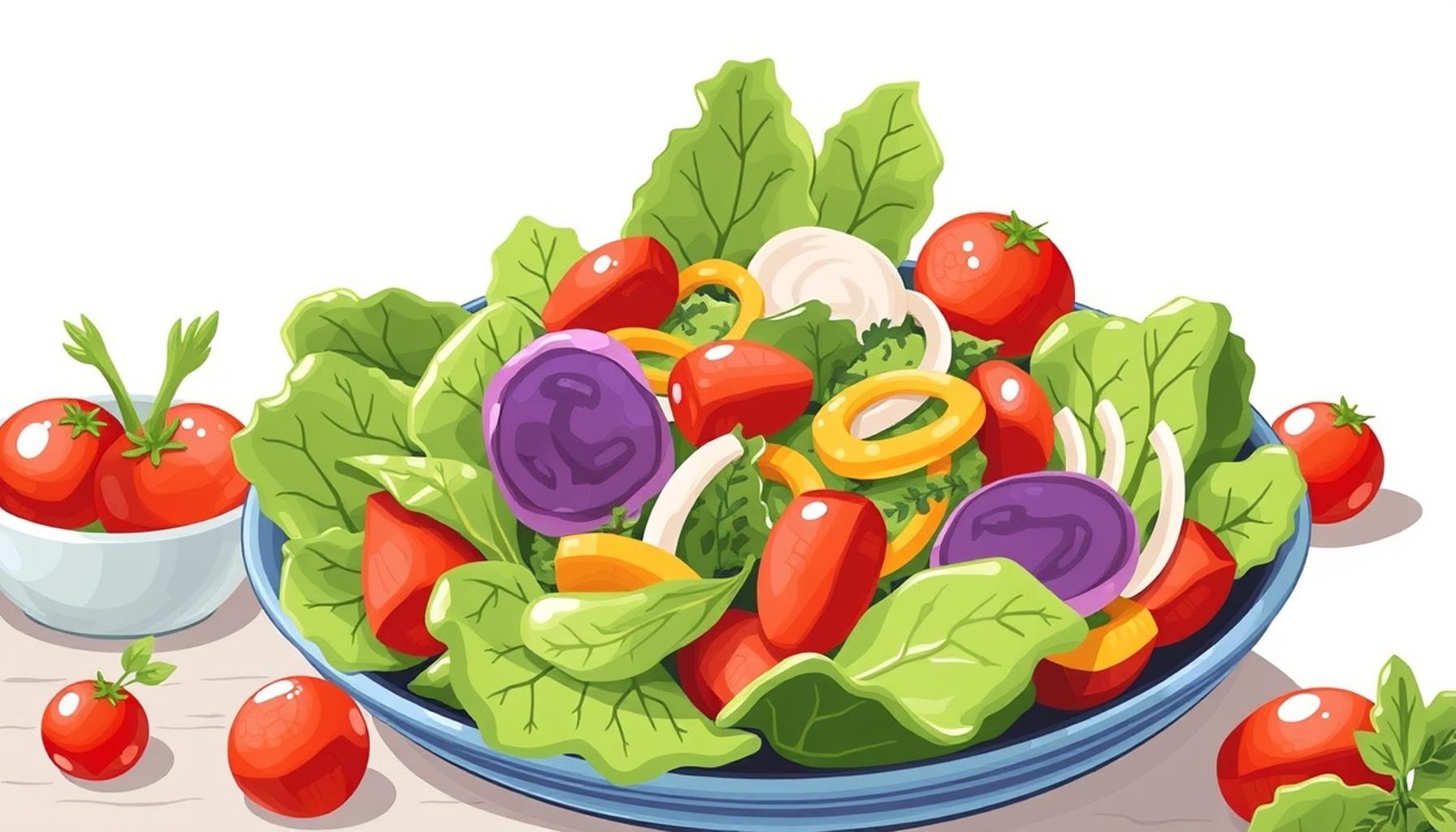
Unveiling the Potential of Common Ingredients: Comforting and Accessible Family Recipes
Unleashing Culinary Creativity with Common Ingredients
In every American kitchen, a selection of basic ingredients is readily available, yet their potential often lies dormant, waiting to be explored. These everyday staples can transcend their foundational uses and transform into comforting and delectable family recipes that resonate through all generations. By understanding their versatility, you open the door to a world rich in flavor, creativity, and nostalgia.
Everyday Ingredients and Their Culinary Potential
Flour, sugar, and eggs are not merely the building blocks of your morning pancakes or afternoon cookies; they can lead to an array of baked goods, from fluffy soufflés to indulgent cakes. Consider a simple vanilla cake that can serve as a blank canvas, where each family member can add their unique touch—from chocolate chips to fresh fruit—creating a delightful tradition that celebrates individual tastes.
Canned tomatoes and beans, staples in many pantries, can effortlessly transform into hearty stews or chili. These ingredients, often overlooked, are pivotal in crafting satisfying, budget-conscious meals. A classic three-bean chili enriched with spices can be simmered on a Sunday, offering warmth that lingers throughout the week and filling the home with enticing aromas that invite the whole family to gather.
The Power of Spices
Not to be underestimated, spices can elevate even the simplest of meals into flavorful experiences. Herbs like basil and oregano can transport you to an Italian kitchen, while cumin and coriander add depth to Mexican or Middle-Eastern dishes. By experimenting with spice blends, families can discover new flavors and culinary traditions while engaging in a fun, experimental cooking session.
Engaging the Family in the Kitchen
Exploring these cooking possibilities presents an excellent opportunity for families to connect. Consider how the practice of making a homemade pizza can become a cherished weekend ritual, where everyone participates in choosing toppings and shaping the dough. Not only does this foster creativity, but it also imparts valuable cooking skills to younger generations, allowing them to carry these traditions forward.
Maximizing Leftovers
Additionally, creativity can flourish when you make use of leftover ingredients. A couple of vegetables left in the fridge can easily become a vibrant stir-fry, and stale bread can be transformed into delicious croutons or a savory bread pudding. These methods not only reduce waste but also encourage families to think inventively about their meals.
As you embark on this culinary journey, consider the potential of common ingredients to not only nourish the body but to also reinforce family bonds and revive cherished memories. Let your kitchen be a space of discovery, where classic recipes come alive with new interpretations, and where each meal shared is a step toward creating lasting connections.
Transforming Staples into Family Favorites
Every family possesses its set of cherished recipes that span generations, often relying on a handful of common ingredients to create satisfying meals. The beauty of cooking is that with a little imagination and an understanding of how these ingredients work together, you can experiment and develop meals that not only feed the family but also evoke fond memories. Let’s explore how you can make the most out of these essential items and turn everyday cooking into something extraordinary.
The Versatile Nature of Common Ingredients
At the heart of many family meals are basic ingredients such as potatoes, rice, and pasta. These staples serve as an excellent base for countless dishes, each bringing its unique character to the table. For instance:
- Potatoes: Beyond just being served mashed or fried, they can be transformed into creamy gratins, savory shepherd’s pies, or even a spicy potato curry, offering a world of flavor on a budget.
- Rice: This ubiquitous grain easily adapts to various cuisines, from filling stir-fries to comforting risottos. It can also be the foundation for a rich paella bursting with seafood or a delightful rice pudding for dessert.
- Pasta: A quick dinner option, pasta can be elevated from its basic boiled state into an indulgent lasagna or a fresh primavera brimming with seasonal vegetables.
The versatility of these ingredients means that they can easily fit into a busy lifestyle, allowing families to whip up a meal in minimal time while ensuring satisfaction and nutrition.
Exploring Global Flavors
Cooking with common ingredients presents an opportunity to explore global flavors without venturing far from home. For example, a simple pot of beans and rice could easily be seasoned with various spices to mirror the rich cuisines of different cultures. A dash of soy sauce and sesame oil can spruce up a quick stir-fry, or a sprinkle of cinnamon and nutmeg can transform oatmeal into a warm and inviting breakfast reminiscent of a Moroccan bazaar. By introducing these flavors, you encourage family members to experience a culinary adventure through their everyday meals.
Engaged Family Cooking Experiences
Another benefit of working with common ingredients is the opportunity to involve the entire family in the cooking process. Kitchen activities can range from assembling a taco night where each member personalizes their own taco to crafting homemade pie crusts filled with seasonal fruits. These interactive cooking sessions not only cultivate lasting memories but also impart essential cooking skills. Children learn the value of homemade meals while sharing laughter and conversation as they help concoct their next family feast.
In embracing the cooking potential of everyday ingredients, families can enjoy delicious and budget-friendly meals while also bridging generational gaps through shared culinary traditions and practices. As the kitchen becomes a playground for creativity, it fosters connections that enhance the richness of family life.
Understanding Common Ingredients
In every household, common ingredients serve as the backbone of countless meals, creating opportunities for both nourishment and creativity. These staple items not only provide essential nutrients but also bring families together through shared cooking experiences. Embracing these ingredients allows for the creation of comforting dishes that can be customized to satisfy diverse palates.
The Power of Accessibility
Accessibility plays a crucial role in the kitchen. By utilizing items readily available in most pantries, families can whip up delicious meals without the stress of hunting down exotic ingredients. This not only saves time but also helps in managing budgets, as sticking to common items often cuts grocery costs. For instance, items like rice, potatoes, and pasta can form the base of fulfilling meals that can be adapted with various proteins and vegetables.
Healthy Substitutions
Another captivating aspect is the potential for healthier substitutions using common ingredients. For example, using zucchini noodles instead of traditional pasta can enhance your dish without sacrificing flavor. Such swaps encourage families to explore healthier lifestyles while still enjoying their favorite recipes. It’s an enticing way to introduce children to new ingredients, making them more enthusiastic about what they eat.
| Category | Details |
|---|---|
| Culinary Versatility | Common ingredients can transform into various dishes. |
| Budget-Friendly | Utilizing staple items helps to reduce grocery costs. |
| Family Bonding Activities | Cooking with familiar ingredients enhances family time. |
| Encouraging Healthy Eating | Substitutions made with common ingredients lead to healthier meals. |
Exploring these facets not only highlights the value of common ingredients but also fosters an appreciation for the creativity that can blossom from them. By unveiling their potential, families can create a treasure trove of comforting recipes that are both accessible and nourishing.
Creative Combinations for Flavorful Meals
Another compelling aspect of working with common ingredients is the chance to create dynamic flavor combinations that surprise and delight the taste buds. Cooking does not merely involve following rigid recipes; it is often about experimenting and finding what works best for your family’s palate. Consider the possibilities when blending various ingredients with spices and herbs. A few examples are:
- Vegetable stir-fry: Start with a base of fresh, seasonal vegetables such as bell peppers, carrots, and broccoli. Pair them with a simple soy sauce or teriyaki marinade for a quick dinner that can range from mild to spicy, catering to all taste preferences.
- Soup night: Transform simple vegetables like tomatoes, onions, and garlic into a hearty tomato basil soup. By altering the seasonings—think cumin for a Mexican twist or rosemary for a more Italian flair—you can create a variety of comforting soups throughout the week.
- Sheet pan dinners: Utilize ingredients like chicken, potatoes, and your choice of vegetables tossed in olive oil and spices. Roasting everything together on a single pan keeps clean-up easy while infusing flavors in each ingredient.
Such combinations not only enhance nutritional value but also present a creative outlet, allowing families to explore unique meals together. The practice of combining flavors can lead to discovering new preferences and traditions over time.
Accommodating Dietary Needs with Common Ingredients
Today’s families often encompass a range of dietary needs and preferences, making it crucial to adapt common ingredients to suit everyone. Fortunately, many staples are naturally versatile and accommodating. For example, quinoa has gained popularity not only for its protein content but also for its hearty texture, making it a fantastic alternative to rice for those with gluten sensitivities. You can prepare a vibrant quinoa salad with chopped vegetables and a zesty lemon vinaigrette that appeals to health-conscious family members.
Similarly, beans are an excellent source of protein and fiber, and they can be incorporated into meals in various forms, from classic chili to bean burgers. Given their affordable price and wide availability, incorporating beans allows families to stretch their budgets without sacrificing taste or nutrition.
Embracing the Power of Leftovers
In a time where sustainability is at the forefront of many conversations, harnessing leftovers transforms common ingredients into new meals while minimizing waste. Leftover roast chicken can become savory chicken pot pie or be shredded into tacos the next day. Similarly, stale bread can be repurposed into croutons for salads or transformed into a bread pudding for a sweet dessert option.
These transformations not only make for easy weeknight dinners but also highlight the importance of the creative process in cooking with common ingredients. The practice of reimagining leftover food serves as a reminder that every ingredient has the potential to shine in various forms. Engaging children in this creative recycling of food fosters appreciation while imparting valuable lessons about resourcefulness in the kitchen.
As families embrace the limitless possibilities presented by common ingredients, their meals evolve into avenues of exploration, comfort, and connection. Through collaboration and creativity, cooking becomes less about merely filling bellies and more about crafting memories that can be cherished for generations to come.
Cooking with Purpose: The Legacy of Common Ingredients
In conclusion, the journey of unveiling the potential of common ingredients transforms family meals into profound experiences filled with love, creativity, and nourishment. By focusing on accessible ingredients that are staples in most kitchens, families can explore an array of comforting recipes that celebrate the flavors, textures, and traditions that connect them. The art of cooking with basic ingredients allows for endless experimentation—encouraging families to discover new favorites, and embrace dietary needs while crafting meals that suit everyone at the table.
Moreover, the power of leftovers not only contributes to sustainability, but also reminds us that great meals can emerge from what was once thought of as waste. Engaging children in this aspect of cooking fosters a deeper appreciation for food and cultivates essential life skills that extend beyond the kitchen. Families can bond over shared activities, laughter, and the creation of lasting memories, reinforcing the idea that cooking is not just about satisfying hunger, but about nurturing relationships.
As families continue to adapt to ever-changing lifestyles, the exploration of common ingredients should be met with enthusiasm and curiosity. By approaching meal preparation with an open mind and a sense of adventure, they can unveil new dimensions in accessibility, comfort, and creativity that not only nourish the body but also nourish the soul. Ultimately, delving into family recipes that embrace common ingredients paves the way for delicious discoveries that can be savored together for generations to come.