
Clutter Control for Families: Strategies to Teach Children to Organize and Let Go
Understanding the Importance of Clutter Control
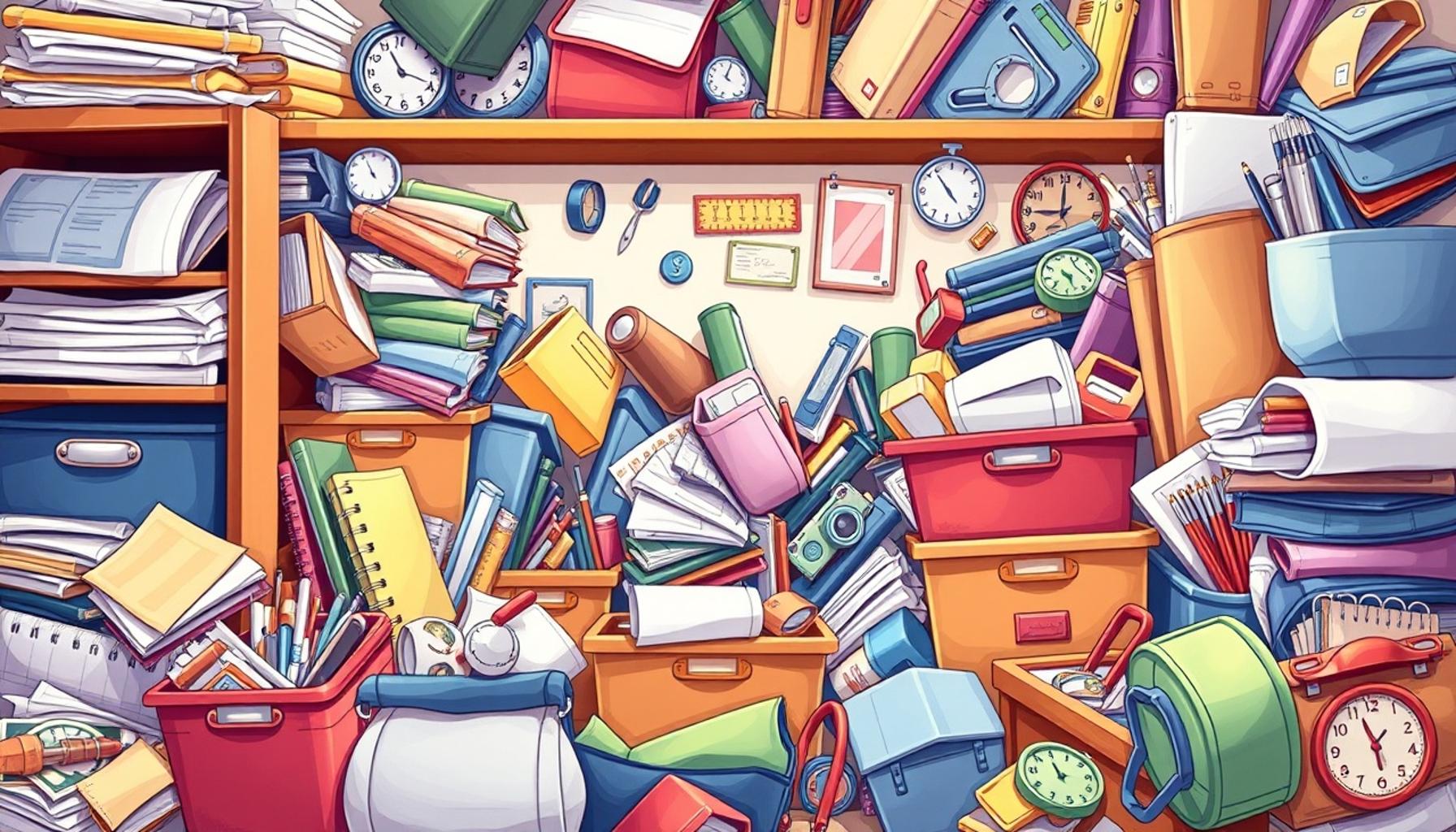
In the chaos of everyday life, juggling responsibilities and commitments often leads to a buildup of clutter in homes, particularly for families with children. Tackling this issue head-on not only alleviates stress but also teaches children essential lessons in organization and responsibility. Teaching children to manage their belongings can have profound implications for their development and well-being. But where does one begin this essential task?
Clutter can often feel insurmountable, manifesting as piles of toys, clothes strewn across the floor, or stacks of unfinished homework. Research shows that a cluttered environment can impede concentration and productivity, not only for adults but especially for children. A 2022 study by the American Psychological Association indicated that children exposed to organized environments demonstrated improved focus on educational tasks compared to those in cluttered spaces. Here are a few compelling reasons why families should prioritize clutter control:
- Enhanced focus: A tidy space allows children to concentrate better on their tasks, improving their academic performance and overall learning experiences.
- Improved mental health: Reducing clutter can lead to a more serene environment, which is beneficial for mental well-being. A clean space can reduce feelings of anxiety and depression.
- Life skills: Learning to organize empowers children with lifelong skills. These skills can transcend the home, aiding them in managing time, responsibilities, and tasks in school and later in life.
Strategies for Effective Clutter Control
Implementing effective clutter control practices can foster harmony at home and instill a sense of accomplishment in children. By using engaging strategies, parents can make the decluttering process not just another chore, but an enjoyable and educational experience. Here are some strategies to consider:
- Set a regular decluttering schedule: Establishing a weekly or monthly routine for clean-outs can reinforce organization habits. Consider making it a family event: play music, set a timer, and have fun while sorting through belongings.
- Use visual aids: Incorporating charts, labels, and color-coded bins can help children visualize where items belong. For example, a simple chart that outlines where toys, books, and clothes should go can simplify the process.
- Encourage decision-making: Involve children in the process by allowing them to choose what to keep, share, or donate. This not only gives them ownership of their space but also teaches them about generosity and the value of teamwork.
By embracing a proactive approach to managing clutter, families can create an organized environment that supports growth, learning, and mental clarity. When children learn to embrace simplicity and gain control over their surroundings, the benefits ripple throughout family life, promoting stronger relationships and a more peaceful home. So, embark on this journey today and observe how creating order can lead to a more harmonious living space for everyone.
Strategies for Effective Clutter Control
Implementing effective clutter control practices can foster harmony at home and instill a sense of accomplishment in children. By using engaging strategies, parents can make the decluttering process not just another chore, but an enjoyable and educational experience. Here are some strategies to consider:
- Set a regular decluttering schedule: Establishing a weekly or monthly routine for clean-outs can reinforce organization habits. You might designate Saturdays as “Declutter Day,” where the family takes an hour to tidy up shared spaces. Consider making it a family event: play music, set a timer, and have fun while sorting through belongings.
- Use visual aids: Incorporating charts, labels, and color-coded bins can help children visualize where items belong. For example, a simple chart that outlines where toys, books, and clothes should go can simplify the process. Hang a colorful poster that shows a checklist of tasks to complete, providing a visual guide for younger children.
- Encourage decision-making: Involve children in the process by allowing them to choose what to keep, share, or donate. This not only gives them ownership of their space but also teaches them about generosity and the value of teamwork. To make it engaging, set aside special “decide days,” where family members can sit together and discuss the belongings that no longer serve their purpose.
Integrating games into the decluttering process can also elevate the fun factor. Consider transforming sorting into a competition—set a timer and challenge family members to see who can organize their space the fastest. This playful approach fosters cooperation and instills a sense of achievement in children as they work together towards a common goal.
Another powerful technique is the “One in, One out” rule. When children receive new toys or clothes, teach them to select an equal number of items to donate or discard. This not only keeps clutter at bay but also instills a sense of accountability for their belongings, reinforcing the concept of valuing what they have.
Also, recognize that not every child’s attachment to belongings is the same. Some may easily part with items, while others may struggle. Open discussions about emotions related to their belongings can aid in this process. Encourage your child to express their feelings about certain toys or clothes they are considering letting go. Understanding the emotional significance of their things enhances their decision-making skills and fosters emotional intelligence.
By embracing a proactive approach to managing clutter, families can create an organized environment that supports growth, learning, and mental clarity. When children learn to embrace simplicity and gain control over their surroundings, the benefits ripple throughout family life, promoting stronger relationships and a more peaceful home. So, embark on this journey today and observe how creating order can lead to a more harmonious living space for everyone.
| Strategy | Benefits |
|---|---|
| Decluttering Together | Promotes teamwork, and children learn to make conscious choices about their belongings. |
| Setting Up a Donation Box | Encourages a sense of community and teaches children the value of sharing and letting go. |
One of the most effective strategies is engaging children in a decluttering session where the family tackles the organization of a room together. This not only fosters a teamwork spirit but also allows children to understand the significance of making conscious choices about their possessions. They become proactive participants in their environments and learn to evaluate items based on their emotions and utility.Another innovative approach is establishing a donation box in your home. By providing a tangible outlet for their unneeded items, children can develop a greater understanding of community support and generosity. This method encourages them to evaluate their belongings, making letting go an exciting and rewarding experience, rather than a daunting task. These strategies foster a culture of organization and emotional intelligence, laying a foundation for lifelong skills.
Building Lifelong Organizational Skills
As families navigate the journey of clutter control, it’s vital to recognize that the goal extends beyond the immediate task of decluttering—it’s about instilling lifelong organizational skills in children. Understanding the psychology of organization can enable parents to guide their children toward sustainable habits. Here are some effective methods to foster these skills:
- Model organized behavior: Children often mimic their parents’ actions. By maintaining organized spaces and demonstrating intentionality with belongings, parents provide a clear example of how to respect and care for their environment. Engage in your decluttering and organizing efforts in front of your children. Share why certain items are kept and how they are used, reinforcing the connection between organization and utility.
- Teach the importance of a clutter-free space: Help children understand the benefits of organization, such as reduced stress, increased focus, and the joy of easily finding their favorite toys or books. Discuss how clutter can create distractions or limit creative play. Use relatable scenarios to illustrate these points, sparking their interest in maintaining order.
- Create customized organization systems: Involve children in designing their own organizational systems. Whether it’s a personal desk area for schoolwork or a dedicated corner for toys, children are more likely to adhere to systems they have helped create. Consider utilizing stackable bins, drawer dividers, or shelving designed to accommodate their height—making it easier for them to access their belongings independently.
Another effective way to empower children is by incorporating technology into the decluttering process. Various apps and online resources can assist in organizing schedules, managing tasks, or tracking items. Parents can encourage children to use digital tools to keep track of their possessions, making room for new learning experiences while promoting tech-savviness.
Additionally, leverage storytelling and role-play to illustrate powerful lessons about clutter control. Share stories featuring characters who learn the value of letting go of belongings or grappling with clutter. Engage your children in role-playing scenarios where they practice decision-making regarding what to keep or donate. This imaginative approach not only makes the concept relatable but enriches their emotional understanding of the process.
Families may also find it beneficial to explore community involvement. Organizing neighborhood exchanges or donation drives cultivates a sense of social responsibility among children. Participating in community initiatives teaches them about giving back while reinforcing the importance of decluttering their own lives. Encourage children to select items to bring to these events, allowing them to see the impact of their choices on others.
Implementing the concept of a “Clutter Buddy” can also prove advantageous. Pair children with a sibling or friend during decluttering tasks, fostering a sense of camaraderie and collaboration. These social interactions encourage teamwork and motivate them to engage in the organization process. Not only does this lighten the load, but it promotes shared experiences and enhances emotional bonds.
As these strategies are gradually put into practice, families will notice a transformation not just in their physical spaces but also in their approach to organization and teamwork. Nurturing these skills in children can pave the way for a more structured and serene home environment, echoing the benefits of clutter control beyond mere aesthetics.
Conclusion: Embracing a Clutter-Free Lifestyle Together
In conclusion, clutter control for families is not merely about tidying up physical spaces; it’s an ongoing journey towards nurturing responsible habits and fostering emotional intelligence in children. By implementing the strategies discussed throughout this article, families can transform the clutter into a cherished opportunity for growth and learning.
Teaching children how to organize and let go of unnecessary items cultivates essential life skills that transcend the home environment. As children learn to appreciate the value of their belongings and the importance of sharing with others, they become more engaged citizens who recognize the positive impact of decluttering. Through activities such as personalized organization systems, storytelling, and community involvement, families can create meaningful experiences that resonate long after the clutter is gone.
Moreover, by modeling organized behaviors and integrating technology, parents can equip their children with tools that promote creativity and focus in a clutter-free life. As families embark on this journey together, the act of decluttering becomes an enriching task filled with collaboration, problem-solving, and empowerment.
Ultimately, the path to successful clutter control does not end with a clean home; it extends into emotional resilience, empathy, and a structured mindset. With these principles in mind, families can pave the way for a harmonious and organized future, ensuring that clutter control becomes a lifestyle rather than a seasonal chore. Embrace the adventure of letting go—together, your family can create a sanctuary that reflects your values and aspirations.
Related posts:
Transforming Spaces: How Minimalism Can Revitalize Crowded Environments
Practical Strategies for Reducing Clutter at Home: A Guide to Minimalism
The Clutter Challenge: Creating Sustainable Habits for a More Organized Life
The Psychology of Clutter: How Mess Affects Our Mental Health and Well-Being
Minimalism and Sustainability: How Reducing Clutter Contributes to an Eco-Friendly Lifestyle
The Psychology of Clutter: Understanding Our Relationships with Objects and the Process of Letting G...

Linda Carter is a writer and organization expert specializing in minimalism and personal organization. With extensive experience helping individuals create clutter-free, functional spaces and adopt mindful habits, Linda shares her knowledge on our platform. Her goal is to empower readers with practical advice and strategies to simplify their lives, stay organized, and achieve a sense of calm and balance in their daily routines.