Frozen Meals: Preparing Ready Dishes for a Week of Savings
Understanding the Rise of Frozen Meals
Advancements in refrigeration technology have paved the way for a modern approach to food preservation, leading to the remarkable ascent of frozen meals. Not only are these meals a quick fix for dinner, but they also come with a multitude of benefits that are appealing to anyone navigating the demands of contemporary life. From busy professional individuals to families with chaotic schedules, convenience is the name of the game.
As life gets busier, incorporating frozen meals into a weekly routine can significantly change how meals are prepared and enjoyed. The appeal lies in several undeniably advantageous aspects:
- Cost-Effective: By buying ingredients in bulk—like grains, proteins, and seasonal vegetables—you can create hearty meals that are often less expensive than their store-bought counterparts. This bulk purchasing not only reduces grocery bills but also allows for experimentation with different flavors and cuisines at home, ensuring there’s variety on the dinner table without breaking the bank.
- Time-Saving: One of the most prominent benefits is the sheer time saved during busy weeks. Imagine allocating a few hours on a weekend to batch cook multiple meals that can be conveniently stored in the freezer. This proactive approach means that after a long day at work or post-school activities with kids, those quick-to-heat meals can be ready to serve within minutes, ensuring that nutritional needs are met without the last-minute scramble.
- Quality Control: When you opt to prepare your own frozen meals, you have full control over the ingredients. You can prioritize fresh, organic produce, avoid preservatives, and adjust flavors to suit your personal dietary preferences. Moreover, knowing the sources of your ingredients can dramatically enhance the meals’ overall healthfulness, allowing you to cater to specific needs such as gluten-free, vegan, or ketogenic diets.
In light of the growing interest in healthy living, frozen meals can easily accommodate various dietary choices. For instance, preparing a large batch of vegetable stir-fry with brown rice or quinoa allows for quick access to well-balanced nutrition any night of the week. As the trend toward meal planning gains traction across the United States, more individuals are discovering that frozen meals don’t just simplify their lives—they promote healthier eating habits as well.
This article will delve into effective strategies for freezing meals, including which dishes freeze best and how to ensure they maintain their quality over time. Whether one is a busy parent juggling work and family responsibilities, a college student pressed for time, or a professional navigating a demanding schedule, mastering the art of freezing meals can transform dining experiences into effortless yet satisfying occasions. Join us as we uncover how this simple technique can reshape your culinary habits and enhance your everyday meals.
DISCOVER MORE: Click here for delicious slow cooker recipes
Mastering the Art of Freezing Meals
For many, the concept of frozen meals may conjure images of bland, overly processed dishes, but the reality is far more vibrant and flavorful. The key to transforming frozen meals into something truly delightful lies in understanding which types of meals freeze well and how to properly prepare them for storage. By engaging in batch cooking with these insights, individuals can curate a diverse menu that ensures satisfaction throughout the week.
One of the most effective strategies when it comes to preparing frozen meals is selecting the right dishes. Not every meal is suited for the freezer; therefore, it is crucial to focus on meals that maintain their texture and flavor post-thaw. Here are some types of dishes that are ideal for freezing:
- Casseroles: These hearty meals, often layered with a mix of proteins, vegetables, and a comforting sauce, tend to freeze excellently. Dishes like lasagna or chicken and rice casserole can provide warm, filling options at a moment’s notice.
- Soups and Stews: Rich, flavorful soups and stews are stars of the freezer. Ingredients meld together over time, enhancing the taste, while their liquid base can be easily reheated. Consider preparing classics like chili, minestrone, or creamy tomato soup for a variety of palate-pleasing choices.
- Curries: Frozen curries retain their spicy goodness exceptionally well and can transport you to the flavors of South Asia with each bite. From chickpea curry to chicken tikka masala, these dishes offer vibrant, aromatic appeal once thawed.
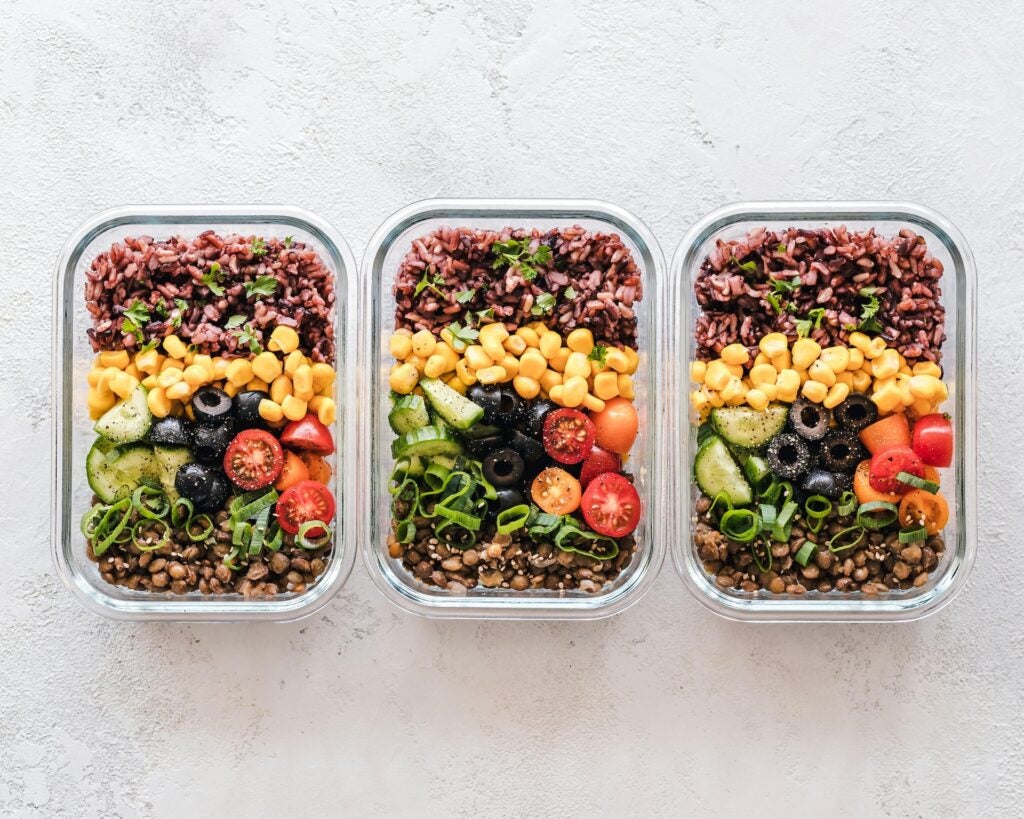
- Grain-Based Dishes: Dishes that feature grains—such as quinoa or rice bowls—can be prepped in large batches, topped with an array of vegetables and proteins, and frozen for easy weekday meals. This not only saves time but allows for nutrient-rich, customizable options.
- Meatballs and Patties: These versatile items can be prepared in bulk—whether beef, turkey, or plant-based. Once cooked, they can be quickly thawed for use in sandwiches, pasta dishes, or on their own with a side of veggies.
To further enhance the freezing process and maintain quality, it is crucial to implement proper storage techniques. Use airtight containers or heavy-duty freezer bags to minimize the risk of freezer burn, which can significantly affect texture and flavor. Furthermore, labeling each container with the name of the dish and date will help track freshness and ensure that meals are consumed within an appropriate timeframe.
Beyond merely saving time and money, the practice of preparing frozen meals invites creative exploration in the kitchen. Experimenting with different cuisines and flavors—be it Mediterranean, Asian, or traditional American—while batch cooking enables home chefs to have a diverse selection of meals at their fingertips. As this method becomes more popular, it empowers a broad audience to embrace healthier eating habits, as nutritious options are no longer relegated to weekends or days off.
This remarkable rise in frozen meal prep is not just a testament to convenience; it’s also about embracing a future where maintaining a balanced diet while managing busy lives becomes effortless. By mastering the art of freezing meals, individuals can enjoy the satisfaction of home-cooked flavors while optimizing their time and resources effectively.
| Advantages | Key Features |
|---|---|
| Time Saving | Using frozen meals allows you to prepare multiple dishes in advance, dramatically reducing daily cooking time. |
| Cost Efficiency | Buying ingredients in bulk for frozen meals often leads to significant cost savings compared to daily grocery shopping. |
Frozen meals not only provide a convenient solution for busy lifestyles but also offer substantial benefits that can enhance meal planning and budgeting. For instance, the time-saving aspect of preparing meals in advance enables families to enjoy homemade dishes without the hassle of daily cooking. This not only eases meal preparation but also encourages healthier eating habits by eliminating the temptation of takeout or fast food.Moreover, by focusing on cost efficiency, families can significantly cut down on grocery expenses. When purchasing ingredients in larger quantities for multiple recipes, the potential for savings increases, allowing for a more disciplined financial approach to dining. Embracing frozen meals can prove to be a smart choice that aligns with both time management and financial health, making it an attractive topic for anyone eager to optimize their eating routines. As such, investing time in preparing these meals could lead to a week full of nutritious, delicious dishes that cater to varying tastes and dietary needs.
DON’T MISS: Click here for quick snack ideas
Understanding Nutritional Benefits and Budget-Friendly Gains
When it comes to frozen meals, it’s not just about convenience—there are significant nutritional benefits that can contribute to a healthier lifestyle. In the hustle and bustle of modern life, maintaining a balanced diet often takes a back seat, but with frozen meals, preparing wholesome, nutritious dinners can be both feasible and affordable.
One of the key advantages of frozen meals is the ability to leverage seasonal produce and buy in bulk when items are on sale. For instance, vegetables that are frozen at their peak ripeness retain essential vitamins and minerals, making frozen options as nutritious as their fresh counterparts. Meal prepping with a focus on seasonal ingredients not only ensures you’re maximizing your nutrient intake but also helps in keeping costs down. For example, freezing butternut squash in the fall or peas and corn in the summer allows for a variety of meals throughout the year without breaking the bank.
Furthermore, transitioning to homemade frozen meals can lead to drastic savings compared to purchasing pre-packaged options. According to recent data, ready-made frozen meals from grocery stores can cost anywhere from $5 to $10 per serving. In contrast, preparing meals at home can lower the cost to about $2 to $4 per serving, depending on the ingredients used. The savings become even more pronounced when cooking in batches. Investing a few hours into meal prep on weekends can yield a week’s worth of ready-to-eat meals, helping you sidestep the temptation of takeout and pre-packaged options that often lead to higher grocery bills.
Smart Shopping Strategies
To maximize both nutritional value and savings, understanding how to shop wisely is crucial. Always opt for frozen vegetables without added sauces or seasonings to control salt and sugar intake. Additionally, consider purchasing larger packages of proteins like chicken or beef and portioning them out before freezing. This allows for flexibility in meal planning and encourages experimentation with various flavors and recipes.
Another effective tip is to embrace local markets or co-ops for fruits and vegetables that can be frozen. Many communities in the U.S. boast affordable options where you can stock up on produce. For instance, visiting farmers’ markets not only supports local agriculture but can also result in lower prices compared to conventional supermarkets, particularly for items in bulk.
Scheduling Meal Prep for Success
Organizing a meal prep schedule can also boost the effectiveness of frozen meal preparation. Designate a specific day each week to cook and freeze dishes, allowing yourself to enjoy the process rather than seeing it as a chore. Setting aside time can help maintain a routine that promotes healthy eating habits while also ensuring variety. Meal prep apps are increasingly popular and can be used to plan and manage your menu, reducing stress and increasing the fun of cooking.
Don’t forget the importance of right-sized portions when freezing meals. It’s always advisable to freeze in single-serving sizes, which not only makes reheating easier but also combats the urge to overeat. By having the right portion at your disposal, you can enjoy your favorite meals without leaving leftovers that may go to waste, thus further enhancing budget efficiency.
Frozen meals are more than just a quick solution; they are an opportunity to embrace a healthier lifestyle while saving money. The combination of planning, shopping smartly, and making informed meal choices positions frozen meals as an essential tool in the culinary arsenal for busy individuals and families.
DISCOVER MORE: Click here for delicious meal prep ideas
Conclusion: The Future of Convenient and Cost-Effective Eating
In a fast-paced world where time and budgets often dictate our meal choices, frozen meals emerge as a powerful solution that balances nutrition, flavor, and affordability. By embracing the practice of meal prepping, you can create an inventory of delicious and healthy dinners that not only cater to your dietary needs but also protect your wallet. The prospect of spending $2 to $4 per serving for homemade frozen meals versus $5 to $10 for store-bought options represents a significant saving that adds up over time, providing financial relief and reducing food waste.
Furthermore, with a strategic approach to shopping—buying seasonal produce, opting for bulk proteins, and prioritizing local markets—you equip yourself with the tools necessary to craft meals that are both nutritious and satisfying. The importance of portion control and proper organization cannot be overstated; they each play a vital role in ensuring that you enjoy your culinary creations without the risk of excess waste.
As you navigate your busy week, taking the time to incorporate frozen meal preparation could very well transform your eating habits. Not only does it simplify the cooking process, but it also aligns with a proactive approach to maintaining a balanced diet. In sum, frozen meals are not just a trend or convenience—they represent a paradigm shift in how we view eating healthily and affordably amidst our daily lives. So, why not take the plunge? Dive into the world of frozen meals, unleash your culinary creativity, and reap the rewards of savings, health, and sustained nourishment throughout the week.