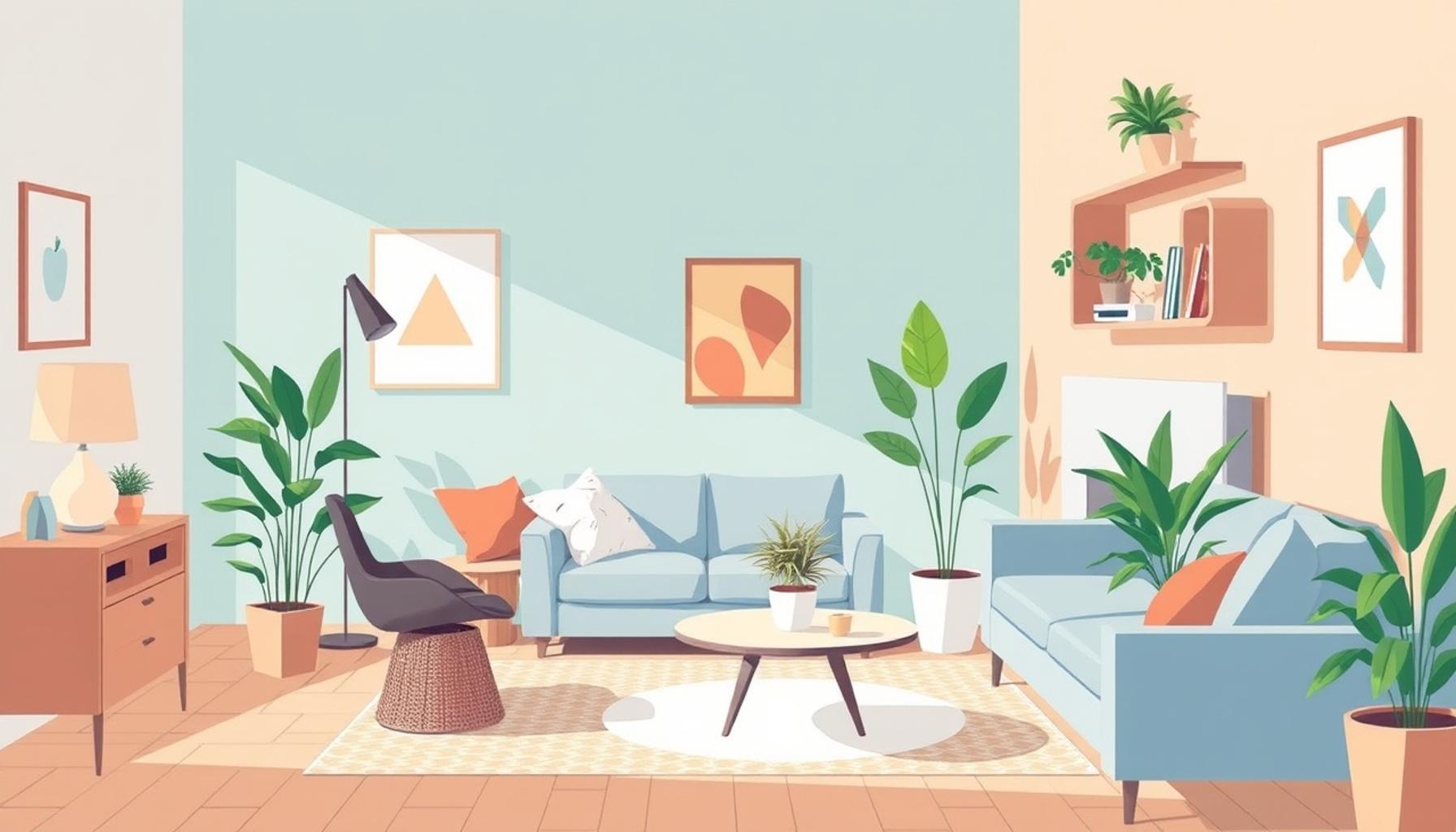
Functional Organization: How Minimalism Contributes to Space Efficiency
Understanding the Essence of Functional Organization
In a society where the average American home size is shrinking and urban living spaces are often tight, grasping the concept of functional organization becomes crucial. Clutter not only steals physical space but can also cloud our minds, making it challenging to focus on what truly matters. By adopting the principles of minimalism, individuals can optimize their surroundings for better space efficiency and overall well-being.
So, what does functional organization truly mean in practice? Let’s explore its key features in more depth:
- Intentional Design: Embracing intentionality means that each item in your space should serve a clear purpose. This reduces not only physical clutter but also mental distractions. For example, rather than having a collection of decorative objects gathering dust, consider investing in art that inspires you or functional decor like beautiful storage bins that keep your essentials organized.
- Flexible Spaces: The ability to transform your living or working areas based on different activities is vital. For instance, a dining room can double as a workspace with the right furniture choices—like a foldable table or Multi-functional furniture, such as a convertible sofa, adds significant value. This adaptability allows you to maximize utility without sacrificing comfort or style.
- Streamlined Storage: A well-organized space requires innovative storage solutions. Think vertical—shelves and wall-mounted organizers can make a significant difference in small areas. Use drawer dividers to keep utensils or office supplies neatly arranged, or consider under-bed storage to take advantage of otherwise wasted space.
The minimalist approach leads to a mindful living environment infused with clarity and simplicity. Multiple studies substantiate that reducing clutter does not just contribute to a cleaner space but can also significantly improve mental well-being. For example, research from the Princeton Neuroscience Institute indicates that numerous visual stimuli can impair our ability to focus, while a tidy environment can enhance concentration levels by as much as 50%.
As we unpack the profound relationship between minimalism and functional organization, you will uncover techniques to transform your perception of space. From decluttering tips to storage hacks, our exploration aims to equip you with practical tools and inspiration, enabling you to redefine your environment meaningfully. So, take a deep breath, embrace simplicity, and discover the power of living with intention.
Prioritizing Purposeful Simplicity
At the core of functional organization lies a commitment to purposeful simplicity. This means not only assessing what we own but evaluating how each item adds value to our daily lives. In a world where consumerism often promotes accumulation over utility, recognizing the significance of functionality can provide a refreshing perspective. Minimalism encourages individuals to detach from a mindset of excess and instead embrace a lifestyle where every object serves a meaningful role. This process begins with a thorough evaluation of belongings—an essential step in cultivating a space that feels both open and inviting.
How can you effectively incorporate this idea into your own living environment? Below are some strategies that can enhance your space efficiency through functional organization:
- Regular Assessments: Set a schedule to review your possessions, perhaps every six months. During these evaluations, ask yourself whether each item still serves a purpose or sparks joy. This practice keeps clutter at bay and fosters a mindful relationship with your possessions.
- Quality Over Quantity: Invest in high-quality products that offer durability and style. When the focus shifts from purchasing numerous cheaper alternatives to selecting a few meaningful items, your space will not only look better but will also operate more efficiently.
- One-In-One-Out Rule: To maintain a balance in your space, consider implementing the one-in-one-out policy. Bringing something new into your home, such as a new shirt or piece of furniture, means one has to go. This conscious choice helps limit clutter while making room for things that are truly needed.
Moreover, embracing functional organization aligns with a sustainable lifestyle. Many individuals are increasingly aware of environmental impacts; thus, a minimalist approach can lead to reduced consumption and waste. By making intentional choices about what we purchase and retain, we contribute to a more sustainable future. Studies have shown that minimalism can positively affect the environment, reducing carbon footprints associated with overproduction and excessive shopping habits.
Interestingly, research also suggests a direct link between our living space and mental clarity. A study conducted by the University of California indicates that a cluttered environment can lead to stress and decreased productivity. By adopting a minimalist mindset, not only can you eliminate distractions in your physical space, but you also pave the way for enhanced creativity and focus.
As we delve deeper into the nuances of achieving optimal space efficiency through functional organization, it’s essential to take steps that resonate with your personal lifestyle. The beauty of minimalism lies in its adaptability; it isn’t about strict rules but rather about creating an environment that reflects who you are while serving your needs effectively. By prioritizing purposeful simplicity, you can transform cluttered areas into serene sanctuaries, allowing you to thrive in both your personal and professional life.
| Advantages | Details |
|---|---|
| Increased Focus | Minimalism allows for fewer distractions, increasing overall productivity in environments where space is utilized effectively. |
| Enhanced Functionality | In a functional organization, every item has its place, making the space not only aesthetically pleasing but also highly efficient for daily tasks. |
Embracing the principles of minimalism within a functional organization enhances not only how we manage space but also how we engage with our environments. In contemporary living spaces, applying minimalistic elements results in streamlined designs that prioritize utility while eliminating excess. The emphasis on space efficiency encourages individuals to adopt multi-purpose furniture that serves not just one, but several functions, allowing for broader possibilities in small areas. Research indicates that this approach can lead to significant time-saving benefits; with vital items readily accessible, users can navigate their environments fluidly. Moreover, minimizing clutter contributes to lower stress levels and fosters an atmosphere conducive to creativity and relaxation. By redefining our relationship with our surroundings, minimalism invites us to appreciate what we have while maximizing its potential. Exploring various minimalist design strategies can further guide individuals looking to enhance their spaces, ensuring the physical and mental aspects of living harmoniously align. The journey through functional organization reveals how these intentional choices reverberate through numerous facets of daily life, reshaping our experiences in profound, lasting ways.
Creating Functional Areas through Intentional Design
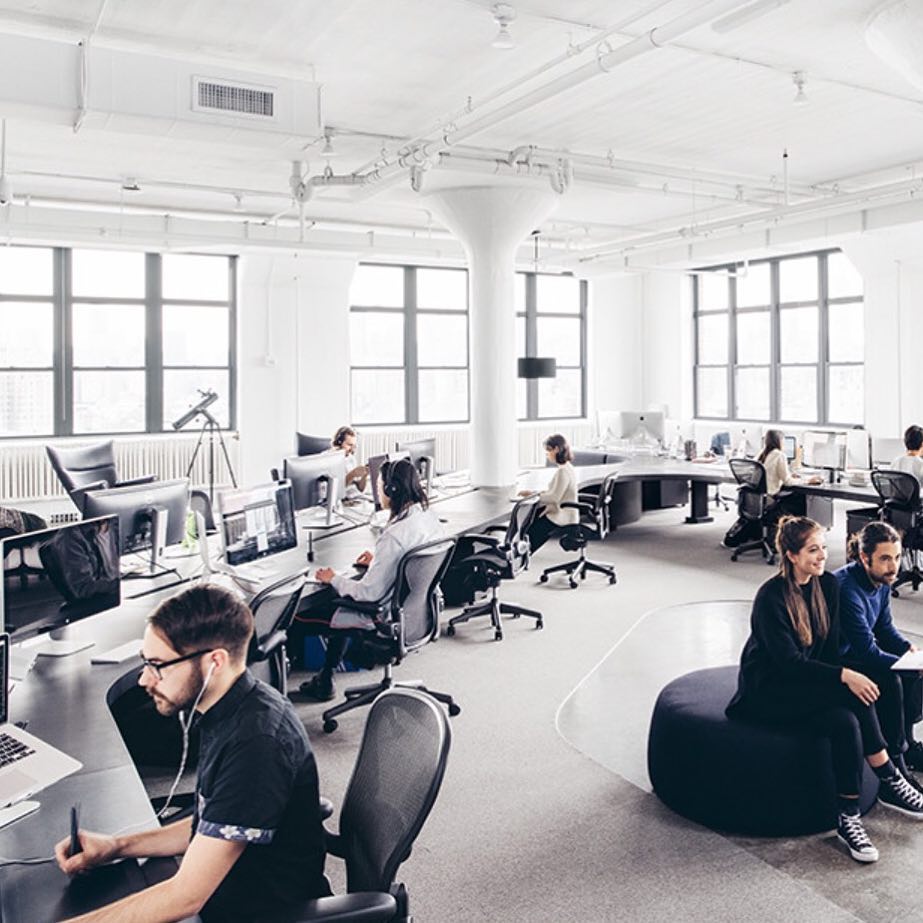
Integrating functional organization within your living space goes beyond merely decluttering; it involves thoughtfully creating functional areas designed to meet specific needs. Each section of your home should serve a unique purpose, contributing to not just the overall aesthetics but also enhancing daily productivity. For example, consider your home office: implementing a minimalistic design here can lead to improved work efficiency by limiting distractions. By surrounding yourself with only essential tools, a streamlined workspace fosters a clear mind, enabling you to complete tasks more effectively.
One proven method to create functional zones is through the concept of zoning. This involves designating specific areas of your home for particular activities, from relaxing to entertaining. For instance, a multi-purpose room can serve as a guest area, home gym, or study space, depending on your needs at any given time. When furniture is selected with flexibility in mind—such as foldable tables or modular seating—your space can easily adapt to accommodate various functions without overwhelming it.
An example of thoughtful zoning can be found in the tiny home movement, which emphasizes the importance of functional organization. These compact living solutions often incorporate modular furniture and smart storage solutions that maximize usability while minimizing the footprint. A Murphy bed can effortlessly convert a bedroom into a living room, exemplifying how multi-functional elements contribute dynamically to space efficiency. As urban living continues to trend towards smaller spaces, the principles of minimalism become essential in reshaping how we design our interiors.
Another intriguing aspect of minimalism in functional organization is the psychological impact that a well-organized space can have on its inhabitants. According to a survey conducted by the National Sleep Foundation, individuals who maintain organized sleep environments report better sleep quality. Thus, a minimalistic approach in a bedroom—featuring only essential furnishings and calming decor—can help cultivate a tranquil atmosphere conducive to rest and rejuvenation.
Additionally, the effective use of vertical space is an often-overlooked element in achieving space efficiency. Floating shelves, wall-mounted hooks, and tall storage solutions can transform underutilized areas into valuable storage without encroaching on usable floor space. This tactic not only keeps clutter at bay but also enhances the visual appeal of your environment, creating an airy and open feeling—hallmarks of minimalism.
Moreover, when it comes to maintaining this organization, the use of technology can simplify processes. Inventory management apps and digital decluttering tools help track your possessions, enabling you to keep tab on what is essential and what can be eliminated. These tools empower you to stay mindful about your belongings and can foster a continual commitment to functional organization.
As you embark on the journey towards a more minimalistic and organized lifestyle, remember that each small step contributes significantly to greater space efficiency. The transformation of your home into a haven of functionality is an ongoing process that can ultimately lead to a more harmonious way of living, where every item not only fits but flourishes within purpose-driven spaces.
Conclusion: Embracing Minimalism for Enhanced Space Efficiency
In summary, the intersection of functional organization and minimalism serves as a powerful strategy for maximizing space efficiency in our homes. By approaching our living environments through a lens of intentional design and zoning, we can create functional areas that cater to our specific daily needs while fostering clarity and tranquility. Each choice—ranging from modular furniture to smart storage solutions—plays a pivotal role in not just enhancing usability but also markedly shaping the aesthetic appeal of our spaces.
The impact of a well-organized environment extends beyond mere aesthetics; the psychological benefits of minimalist living are profound. Research indicates that a clutter-free space can lead to improved focus, better sleep quality, and a general sense of well-being. Therefore, embracing minimalism isn’t just about discarding belongings, but rather about cultivating a nurturing atmosphere that supports our lifestyles.
As urban spaces become increasingly compact, the principles of minimalism will only grow in relevance. Leveraging vertical storage and innovative technology can further ensure that every inch of our homes is utilized efficiently. Whether it’s through tools that help us manage our possessions or the thoughtful integration of multi-functional furniture, we have a unique opportunity to create harmonious spaces that reflect our values and promote productivity.
Ultimately, pursuing functional organization through minimalism is a transformative journey. By committing to this methodology, we can forge living spaces that not only serve but celebrate the essence of who we are, making every square foot a testament to our intentional choices.
Related posts:
Transforming Your Home: Creative Ideas for Space Optimization with Minimalist Principles
Multifunctional Spaces: How Minimalism Transforms Environments Into Versatile and Functional Areas
Maximizing Small Spaces: Minimalist Organization Techniques for Compact Apartments
Creating Functional Environments: Space Optimization Strategies Inspired by Minimalism
Smart Storage Solutions: Multifunctional Furniture for Minimalist Environments
Minimalism in the Office: How to Organize Your Workspace to Increase Productivity

Linda Carter is a writer and organization expert specializing in minimalism and personal organization. With extensive experience helping individuals create clutter-free, functional spaces and adopt mindful habits, Linda shares her knowledge on our platform. Her goal is to empower readers with practical advice and strategies to simplify their lives, stay organized, and achieve a sense of calm and balance in their daily routines.