
How Positive Affirmations Can Improve Your Interpersonal Relationships

Understanding the Impact of Positive Affirmations
In the fast-paced world we live in, our interpersonal relationships often take a backseat. However, nurturing these connections is crucial for our emotional well-being and personal growth. One transformative practice gaining attention is the use of positive affirmations.
Positive affirmations are simple yet powerful statements that can reshape our mindset and behavior. By repeating affirmations, we can:
- Enhance self-esteem
- Foster empathy and understanding
- Decrease negative thoughts
- Encourage open communication
These affirmations can serve as a tool to unlock deeper connections with those around us. For instance, an affirmation as simple as “I am worthy of love and respect” can help individuals cultivate a sense of self-worth, which can resonate positively in their interactions with others. Research indicates that individuals who actively practice affirmations report improved relationships characterized by trust, respect, and effective communication. According to a study published in the journal Personality and Social Psychology Bulletin, those who practice self-affirmation show increased empathic concern and engagement in social relationships.
The Science Behind Positive Affirmations
When individuals engage in positive affirmations regularly, they activate their brain’s reward circuitry, which can lead to a healthier self-image and improved emotional resilience. This is particularly relevant in high-stress environments such as workplaces, where communication and collaboration are paramount. For example, in the realm of corporate America, employees who affirm their capabilities, such as “I contribute meaningful ideas at work,” may find themselves more willing to share their thoughts and participate in team discussions. This behavior not only enhances individual efficacy but can also result in a more unified and productive team dynamic.
Practical Applications of Affirmations
Incorporating positive affirmations into daily practice doesn’t require extensive time and effort. It can be as simple as starting the day with a declaration like “I am capable of achieving my goals.” Keeping a journal dedicated to affirmations can also serve as a reflective practice, allowing you to track your emotional growth and the impact on your relationships over time. Consider practicing these affirmations aloud, in front of a mirror, or even sharing them with loved ones to build mutual support and strengthen bonds.
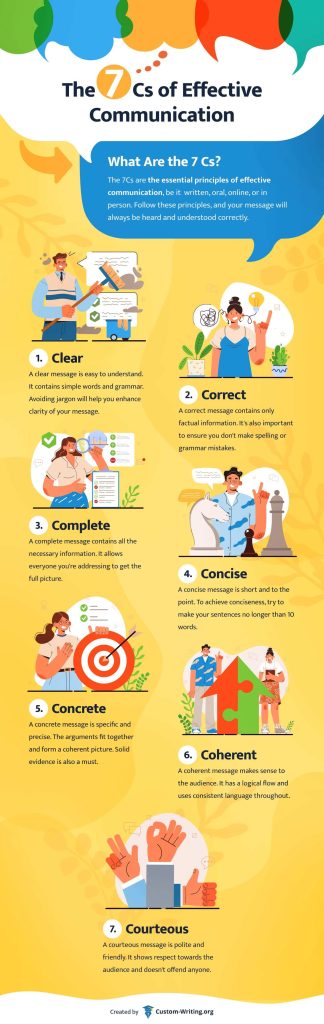
As we delve into the specifics of how positive affirmations can enhance your interactions and support your social environment, you might discover novel ways to build stronger bonds. Whether in personal or professional spaces, the language we use significantly shapes our reality. Thus, adopting a positive mindset through affirmations not only empowers the self but enriches the fabric of our interpersonal relations.
Fostering deeper connections, especially in today’s increasingly digital world, can be challenging. However, through the transformative power of positive affirmations, individuals can learn to cultivate resilience, empathy, and effective communication—all critical components for building lasting relationships.
DIVE DEEPER: Click here to discover how daily affirmations can transform your mental
Building Empathy Through Positive Affirmations
In the realm of interpersonal relationships, empathy plays a crucial role in fostering understanding and compassion between individuals. Positive affirmations can serve as a powerful tool in enhancing this empathetic connection. By repeating affirmations such as “I can understand others’ feelings” or “I am open to different perspectives,” individuals can cultivate a mindset that prioritizes empathy. This shift not only beautifies personal interactions but can also ripple into professional environments.
When we practice positive affirmations, we are not just reciting phrases; we are conditioning our minds to be more receptive to the emotions and experiences of others. A compelling study published in the journal Emotion found that individuals who engage in affirmation practices demonstrate significantly higher levels of empathy and emotional intelligence. This improvement can profoundly change mundane conversations into meaningful dialogues, thereby enhancing the quality of our connections.
The Role of Self-Worth in Relationships
Your perception of self-worth directly influences how you relate with others. Positive affirmations that center on self-acceptance, such as “I deserve love” or “I am enough just as I am,” can radically alter interactions with friends, family, and colleagues. When individuals feel confident and secure in themselves, they are less likely to engage in negative behaviors like jealousy, resentment, or defensiveness.
Research supports this idea—studies show that individuals who practice self-affirmation are more inclined to respond positively to interpersonal conflict, demonstrating resilience and understanding rather than hostility. The harmony that arises from a healthy self-image enhances communication skills, ensuring that conversations are constructive and grounded in mutual respect. Here are some key benefits of fostering self-worth through positive affirmations:
- Improved Conflict Resolution: A strong sense of self-worth allows individuals to navigate disagreements with grace and understanding. For example, a person secure in their self-image is more likely to listen actively to a friend’s complaint rather than becoming defensive.
- Open and Honest Communication: Affirmations encourage individuals to express their thoughts and feelings candidly, paving the way for more honest interactions. For instance, colleagues who affirm their worth are more likely to provide constructive feedback than criticism.
- Reduced Anxiety: Feeling good about oneself lowers anxiety levels, making it easier to engage in social situations. Lower anxiety can transform situations, like networking events, into opportunities for genuine engagement rather than sources of stress.
Moreover, employing positive affirmations can also be beneficial in a work context. In corporate settings, fostering an environment where employees are encouraged to practice self-affirmation can lead to higher team cohesiveness and productivity. As the practice of positive affirmations becomes woven into the fabric of our daily routines, the promise of improved interpersonal relationships becomes more tangible. Not only can affirmations enhance our understanding of ourselves, but they also serve to strengthen our connections with others. Just as a solid foundation is necessary for a house to stand, developing a robust self-image is essential for nurturing healthy relationships.
In summary, the strategic use of positive affirmations can significantly influence both personal and professional relationships by fostering empathy and enhancing self-worth. As individuals and communities adopt these practices, they open the door to a more compassionate and understanding society.
Enhancing Communication Skills
Implementing positive affirmations in daily life can significantly enhance your communication skills, thereby boosting your interpersonal relationships. When you affirm statements such as “I am a great listener” or “I communicate openly,” you not only reinforce these beliefs internally but also encourage a more open exchange of ideas with others. This reflective practice creates a comfortable space for dialogue, fostering trust and understanding.
Building Self-Confidence
Another key aspect of how positive affirmations contribute to better relationships is through the enhancement of self-confidence. By regularly repeating affirmations like “I am worthy of love and respect,” individuals can shift their self-perception. A confident person is more likely to approach social situations with ease, leading to more meaningful connections. This self-assuredness radiates positivity, making others feel more at ease in your presence.
Promoting Empathy
Positive affirmations can also promote empathy, as affirming thoughts like “I can see things from others’ perspectives” cultivates an attitude of understanding. Empathy is essential for nurturing relationships, as it enables individuals to connect on a deeper level. With enhanced empathy, you become more considerate of the feelings and viewpoints of others, ultimately solidifying your interpersonal bonds.
Reducing Anxiety and Stress
Daily affirmations help in managing emotional well-being by reducing anxiety and stress. When you educate yourself with affirmations such as “I handle conflicts with ease,” you prepare your mindset to respond calmly rather than reactively during tense situations. Less anxious interactions lead to healthier discussions, where both parties feel heard, valued, and understood.
Transforming Negative Self-Talk
Finally, engaging in positive affirmations significantly helps in transforming negative self-talk into constructive dialogue. When discouraged by past experiences, affirmations remind you of your strengths and the progress you’ve made in your relationships. For instance, saying “I am capable of creating lasting connections” reinforces a growth mindset, paving the way for healthier interactions in the future.
| Category | Key Features |
|---|---|
| Enhanced Communication | Encourages openness and trust between individuals. |
| Improved Self-Confidence | Individuals feel more assured in social interactions. |
| Promoted Empathy | Enhances understanding of others’ feelings and perspectives. |
| Reduced Anxiety | Encourages calmness in stressful social scenarios. |
| Transformed Mindset | Fosters a growth approach towards relationships. |
DISCOVER MORE: Click here for empowering affirmations
Transforming Communication with Affirmations
Effective communication is the bedrock of healthy interpersonal relationships. Positive affirmations can revolutionize how we convey our thoughts and feelings to one another. By integrating affirmations such as “My voice matters,” or “I communicate with clarity and respect,” individuals can train themselves to express their needs and opinions more assertively while remaining considerate of others.
Research has shown that clear and constructive communication reduces misunderstandings and conflicts in both personal and professional settings. A notable study published in the Journal of Communication Research found that individuals who utilized affirmations reported higher levels of confidence when navigating difficult conversations. This newfound communicative clarity fosters an environment where everyone feels valued and heard, which in turn promotes deeper connection.
Enhancing Active Listening Skills
While speaking clearly is crucial, equally important is the ability to listen actively. Positive affirmations can enhance listening skills by promoting mindfulness and focused engagement. Affirmations like “I am present in this moment,” or “I value others’ perspectives,” encourage individuals to pay full attention to the speaker, thereby improving understanding and response quality.
When individuals commit to being attentive listeners, they not only glean more information but also validate the emotions and ideas of others. According to a survey conducted by the International Listening Association, strong listening skills correlate with greater satisfaction in relationships. By regularly affirming their intentions to listen, people can cultivate stronger bonds, whether with friends, family, or coworkers.
Cultivating a Positive Response to Criticism
Constructive criticism can be challenging to accept, yet it is often necessary for personal growth. Practicing positive affirmations prepares individuals to respond to feedback with grace and resilience. Affirmations such as “I grow from feedback” or “I embrace growth opportunities” can shift perceptions, turning potentially defensive reactions into constructive reflections.
A study in the Journal of Personality and Social Psychology highlighted that individuals who engage in self-affirmation exercises tend to perceive feedback through a growth-oriented lens, interpreting criticism as a pathway to improvement rather than a personal attack. This perspective encourages individuals to value the insights of others, fostering an atmosphere of continuous development and mutual respect.
- Boosting Morale: Affirming oneself can counterbalance the discomfort of receiving criticism, transforming the experience into a learning opportunity that strengthens relationships.
- Encouraging Open Dialogue: When individuals are fortified by positive self-affirmations, they create space for open dialogue about areas for improvement, making it easier for everyone to grow.
- Strengthening Trust: Demonstrating receptiveness to feedback cultivates trust among peers, paving the way for more collaborative and supportive relationships.
As individuals commit to incorporating positive affirmations into their communication style, the overall quality of their interpersonal relationships can dramatically improve. By fostering clearer expressions of thought, enhancing listening skills, and redefining responses to criticism, positive affirmations create a nurturing environment where relationships can thrive. These affirmations don’t just promote self-improvement; they also build a culture of mutual respect and understanding that values growth and connection.
DISCOVER MORE: Click here to learn about self-compassion
Conclusion
In today’s fast-paced world, the significance of healthy interpersonal relationships cannot be overstated. By adopting positive affirmations, individuals can unlock a transformative approach to how they connect with others. Not only do affirmations enhance self-confidence and clear communication, but they also foster a culture of active listening and receptivity to feedback. This multifaceted improvement enables individuals to navigate relationships with greater empathy and understanding.
Moreover, the evidence supporting the benefits of positive affirmations in enhancing interpersonal dynamics is compelling. As shown in various studies, those who practice affirmations consistently find themselves engaging more meaningfully with their surroundings. As they cultivate skills such as assertiveness and critical listening, they become better equipped to handle difficult conversations and constructive criticism, turning challenges into opportunities for growth.
Ultimately, integrating positive affirmations into daily routines is not merely about self-enhancement; it is a powerful tool for enriching relationships. As individuals commit to this practice, they empower not only themselves but also those around them, paving the way for deeper connections, increased trust, and more fulfilling interactions. By embracing this simple yet effective strategy, anyone can embark on a journey toward healthier, more harmonious relationships—where every conversation becomes a step towards mutual respect and understanding.