
Maximizing Small Spaces: Space Optimization Strategies in Minimalist Environments
The Necessity of Space Optimization
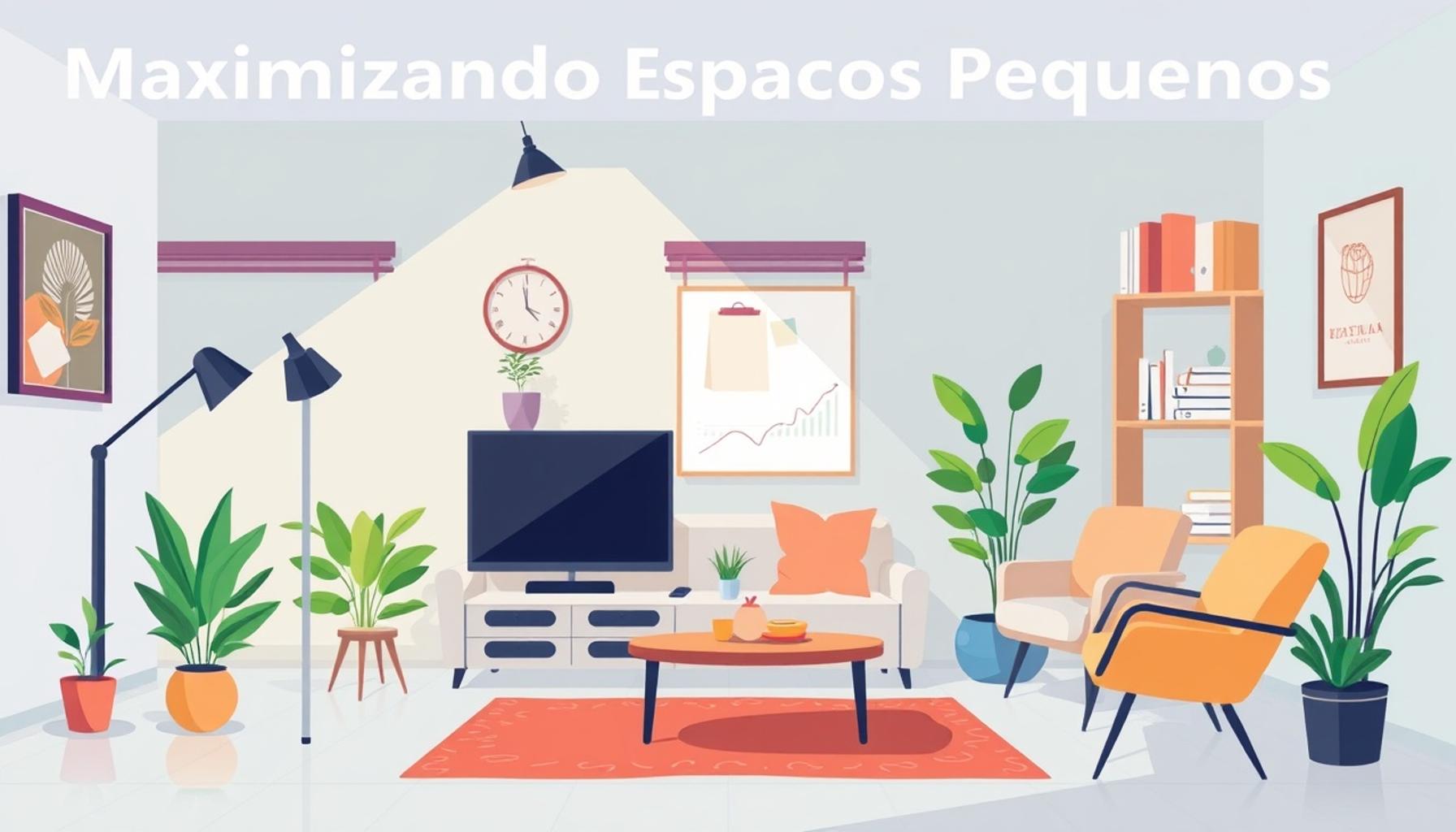
In today’s fast-paced world, maximizing small spaces has become a necessity rather than a choice. As urban living expands, many find themselves in compact apartments and tiny homes where every square foot counts. According to recent studies, over 80% of the United States population now lives in urban areas, making efficient use of limited living spaces paramount. The quest for space optimization is more crucial than ever, as it not only improves functionality but also enhances the quality of life.
Creating a functional and aesthetically pleasing environment in a limited area can be a challenge. However, innovative strategies can help transform cramped quarters into livable sanctuaries. Consider these essential approaches:
- Multi-Functional Furniture: Invest in pieces that serve dual purposes. For instance, a sofa that converts into a bed is perfect for hosting overnight guests, while coffee tables with hidden storage compartments can serve as both a functional surface and a place to stow away books and magazines, keeping the area tidy.
- Vertical Solutions: Utilize wall space by installing shelves, hooks, and cabinets that draw the eye upward, creating an illusion of greater height. Floating shelves can display art or plants, while vertical shoe racks can free up precious floor space.
- Decluttering: Regularly reevaluate belongings and remove unnecessary items. A minimalist atmosphere can be achieved by adopting the “one in, one out” policy, where for every new item brought home, an old one is discarded or donated. This not only reduces clutter but also promotes more conscious consumerism.
- Light and Color: Use light colors and effective lighting to create the illusion of a larger space. Soft palettes such as pastels or neutrals open up a room, while strategically placed mirrors can reflect light, enhancing brightness and depth.
These strategies not only promote organization but also enhance creativity in your living area. By implementing such techniques, homeowners can transform their living spaces into efficient and stylish havens that cater to their daily needs. Embracing a minimalist environment can lead to a refreshing lifestyle filled with peace and tranquility, paving the way for less stress and more enjoyment.
As we delve deeper into this topic throughout the upcoming sections, you will discover actionable insights backed by expert tips and transformative examples that illustrate how to optimize every inch of your small space effectively. In a world where space is often at a premium, learning to maximize your living area is not just beneficial; it’s essential.
The Art of Maximizing Small Living Areas
To truly maximize small spaces, understanding the art of layout plays a pivotal role. The arrangement of furniture and decor not only influences the flow of daily activities but also impacts the perceived size of a room. Thoughtfully planning out spaces can lead to a harmonious balance between functionality and design. Here are some impactful strategies that can reshape how you experience small living environments:
- Open-Concept Design: Embrace open layouts that eliminate unnecessary walls. By combining the living, dining, and kitchen areas, you foster a seamless transition that feels expansive. For example, a studio apartment can benefit immensely from an open-concept design, where each functional area flows easily into the next. Additionally, using area rugs can help define different zones without creating physical barriers. This not only enhances the aesthetic appeal but also allows for a more flexible use of space.
- Furniture Arrangement: Arrange furniture strategically to promote movement and accessibility. Floating furniture away from walls can drastically change the feel of a room, encouraging a feeling of openness. Instead of lining couches and chairs against the walls, consider creating an intimate conversation area in the center of the room. Oversized furniture should be placed thoughtfully to enhance airflow while minimizing obstacles, resulting in a surprisingly roomy atmosphere.
- Natural Light Utilization: Making the most of natural light is a game-changer. Keep windows unobstructed by heavy drapes; instead, opt for sheer curtains that allow sunlight to pour into your space. This not only enhances the brightness but also gives the illusion of larger areas. Moreover, using translucent materials for room dividers can maintain visibility, ensuring that light flows freely while still providing privacy and clearly defining spaces.
- Smart Storage Solutions: Implement bespoke storage options such as built-in shelving or under-bed drawers to keep clutter at bay. Consider multifunctional pieces like ottomans or benches with hidden compartments, which can serve dual purposes—acting as both seating and storage. This clever use of space helps maintain an organized environment, ensuring that every item has a designated spot, thus preserving a serene living area.
In the quest for a minimalist lifestyle, creating an illusion of space often takes precedence over filling every corner with items. Adopting multi-functional designs allows for a living area that meets diverse needs without overwhelming the senses. For instance, a drop-leaf table can easily transform from a modest dining surface into a spacious workstation, catering to various occasions without monopolizing precious floor space.
Moreover, investing in custom furniture tailored to fit unique room dimensions can optimize even the trickiest nooks of your home. Companies specializing in small-space living have begun offering innovative solutions that allow for personalization while still prioritizing storage and utility. Consider a modular sofa that can be rearranged to suit your daily needs, or shelves that extend to the ceiling to maximize vertical space—these solutions can significantly enhance your living experience.
As we explore further in this article, you will encounter success stories from individuals who have embraced these optimization strategies. They illustrate how small spaces can be transformed into functional and aesthetically pleasing living quarters. With a deeper understanding of space management, you can reclaim control over your environment, elevating your lifestyle while still adhering to minimalist principles.
Space Optimization Techniques for Minimalist Environments
As urban living continues to evolve, so too do the strategies for maximizing small spaces. Homeowners and renters alike are increasingly turning to minimalist environments to create functionality without clutter. By prioritizing essential elements and employing innovative design techniques, small spaces can feel expansive and purposeful.
One effective strategy is the use of multifunctional furniture. Pieces like sofa beds, extendable dining tables, and ottomans with storage capabilities can serve multiple purposes, allowing residents to adapt their living areas according to their needs. Investing in this type of furniture not only enhances space management but also contributes to a cleaner aesthetic.
Moreover, vertical space utilization is an often-overlooked opportunity. By incorporating shelves, tall cabinets, and hanging storage solutions, homeowners can elevate their organizational efforts while freeing up valuable floor space. This concept is particularly vital in smaller rooms, where every inch counts.
Another critical element in space optimization is natural light. Strategically placed mirrors can amplify light throughout a room, creating the illusion of depth and breadth. Additionally, opting for lighter color palettes can visually expand the area, making it feel brighter and more open.
Ultimately, maximizing small spaces in minimalist environments requires strategic planning and execution. By embracing these techniques, you can redefine your home into a well-organized, stylish oasis that embodies both functionality and simplicity.
| Category | Key Features/Characteristics |
|---|---|
| Multifunctional Furniture | Furniture that serves multiple purposes, helping to maximize space. |
| Vertical Space Utilization | Employing shelves and hanging storage to free up floor space. |
Exploring these ideas opens the door to a new world of possibilities in small-space living, ensuring that even the coziest environments can be maximally functional and aesthetically pleasing. Consider diving deeper into these strategies to make your minimalist space work for you.
Innovative Techniques for Space Management
As the move toward minimalist living gains momentum, embracing innovative techniques for space management in small environments becomes essential. Beyond the basics of furniture arrangement and natural light, there are a myriad of creative solutions that can significantly alter how small spaces are utilized.
- Vertical Living: When square footage is limited, looking upwards for storage and decor is a strategic choice. Wall-mounted shelves can serve as an effective way to display books, plants, or art without consuming floor space. Utilizing vertical storage options like tall cabinets can also help maintain a clutter-free environment. Additionally, consider incorporating hooks and pegboards in your design to keep essentials organized without sacrificing style. Cities such as San Francisco and New York are embracing this concept, with many tiny apartments opting for lofted beds and multi-tiered shelving to maximize every inch.
- Multi-Functional Rooms: Designing spaces that can fulfill multiple purposes is key to optimizing small areas. For example, a guest bedroom can double as an office space; incorporating a fold-down desk or a Murphy bed enhances functionality without taking away from aesthetic appeal. Modular furniture, such as convertible sofas or extendable dining tables, allows homeowners to redesign their space according to their needs—switching from a casual lounge area to a more formal dining setting in moments.
- Color and Decor Choices: The psychological impact of color on space perception must not be overlooked. Lighter color palettes create airiness, making rooms appear more spacious. Opting for neutral tones and adding pops of color through accessories can keep the environment vibrant yet uncluttered. Additionally, incorporating mirrors can amplify natural light and create the illusion of depth, significantly enhancing any small area. Strategically placing mirrors opposite windows or entryways can do wonders for a cramped space.
- Decluttering Strategies: Closely tied to minimalist living, effective decluttering is paramount for a serene space. An honest approach to evaluating possessions can guide individuals in determining what items truly add value to their lives. The “one in, one out” method ensures that every new purchase has a designated spot, maintaining a balance that prevents clutter from building over time. Techniques such as the KonMari Method encourage mindful interactions with belongings, pushing individuals to keep only those items that spark joy.
As technology evolves, so too do opportunities for space optimization. Smart home devices are emerging as remarkable allies in managing small spaces. For instance, smart thermostats and lighting systems can be controlled remotely, adding convenience without excessive physical components. Additionally, voice-activated assistants can manage schedules and storage inventories, further maximizing efficiency in a compact living environment.
The shift toward sustainable living places added value on environmentally friendly practices, allowing homeowners to consider energy-efficient appliances that size down without sacrificing performance. Reimagining corners with small, energy-efficient furniture, or incorporating plants that thrive in limited light can breathe life into an otherwise monochromatic setting.
The many layers of space optimization strategies reveal that a small space can be both functional and stylish. By thoughtfully employing these innovative techniques, individuals can transform their homes into unique havens that reflect personal style while embracing a minimalist aesthetic. The journey to maximizing small spaces offers endless possibilities for creativity and self-expression.
Conclusion: Embracing Space Optimization for a Minimalist Lifestyle
In a world where urban living often means compromising on space, the art of maximizing small spaces becomes paramount. By utilizing creative strategies such as vertical living, adaptable room designs, savvy color choices, and effective decluttering methods, individuals can transform their limited square footage into inviting and functional habitats. These solutions emphasize not just practicality but also the importance of aesthetic appeal in minimalist environments.
Moreover, the incorporation of smart technology offers exciting opportunities for efficiency in organization and management of these spaces. Devices and furniture that respond to changing needs are steadily becoming integral to modern designs, enabling homeowners to maximize usability without clutter. In tandem with sustainable practices, such as choosing energy-efficient appliances, creating a small yet efficient sanctuary is not only feasible but also environmentally considerate.
Ultimately, the journey to optimize small living spaces is a holistic one that allows for creativity and uniqueness to flourish. As each individual curates their limited space, it becomes a canvas for personal expression while adhering to a minimalist philosophy. The potential to create functional, tranquil environments within any square footage is infinite. Embracing these space optimization strategies cultivates a lifestyle that values less as more, fostering an environment that not only feels spacious but also resonates with the soul. With every new addition or clever arrangement, one steps closer to achieving the perfect balance of style and simplicity in their abode.
Related posts:
Demystifying Minimalism: How to Select What Truly Matters in Your Space
Minimalism and Sustainability: Strategies for Creating Ecological and Functional Spaces
Minimalism in the Office: How to Organize Your Workspace to Increase Productivity
Creating Functional Environments: Space Optimization Strategies Inspired by Minimalism
The Impact of Minimalism on Mental Health: Creating Calm and Organized Environments
Harmony and Functionality: Integrating Minimalist Lifestyle into Interior Decoration

Linda Carter is a writer and organization expert specializing in minimalism and personal organization. With extensive experience helping individuals create clutter-free, functional spaces and adopt mindful habits, Linda shares her knowledge on our platform. Her goal is to empower readers with practical advice and strategies to simplify their lives, stay organized, and achieve a sense of calm and balance in their daily routines.