
Meal Planning: How to Use Simple Ingredients to Save Time and Money

Unlock the Secrets of Efficient Meal Planning
In today’s fast-paced world, meal planning has emerged as a revolutionary approach to streamline your kitchen experience. By leveraging simple ingredients, you not only simplify your cooking routine but also protect your wallet. This method is ideal for everyone, from busy professionals to families juggling multiple activities.
Here’s what makes meal planning essential:
- Saves Time: Prepping meals in advance allows you to plan your week without the daily scramble. For instance, dedicating a couple of hours on Sundays to cook and portion out meals can free up precious time during hectic weekdays.
- Reduces Food Waste: Using ingredient leftovers helps in minimizing waste and maximizing your grocery budget. Instead of throwing away wilted vegetables or stale bread, you can incorporate them into soups or casseroles, ensuring every penny counts.
- Enhances Nutrition: Thoughtful planning encourages balanced meals that are better for your health. By mapping out a week’s worth of meals, you can ensure a variety of food groups are represented, helping you avoid the convenience of unhealthy fast food options.
Why focus on simple ingredients? They are not only accessible but versatile, allowing for:
- Creative Cooking: Meals can be easily modified to suit different tastes. For example, a base of quinoa can be transformed with a variety of toppings, from grilled vegetables to stir-fried shrimp, catering to every palate.
- Cost Efficiency: These ingredients are often less expensive and more readily available. Staples like rice, pasta, beans, and seasonal vegetables will not only keep your meals interesting but also help you stick to your budget.
- Flavor Variety: Simple items can be combined in countless ways to keep meals exciting. For instance, one can prepare tacos on Tuesday night using ground turkey, but the following week, that same ground turkey can be used in a hearty chili, illustrating the versatility of ingredients.
Beyond just saving money and reducing waste, meal planning opens up a world of culinary exploration. Imagine discovering new recipes that fit into your planned meals, or creating a family tradition around Sunday meal prep, making it a fun and engaging activity for all ages. Using apps or planners specifically designed for meal planning can streamline this process even further, making it easy to track what you have at home and what you need to buy.
Join us as we delve deeper into the world of meal planning and uncover strategies to maximize your time and savings while enjoying delicious meals. Embrace the adventure of cooking; it just might transform not only your kitchen habits but your entire lifestyle.
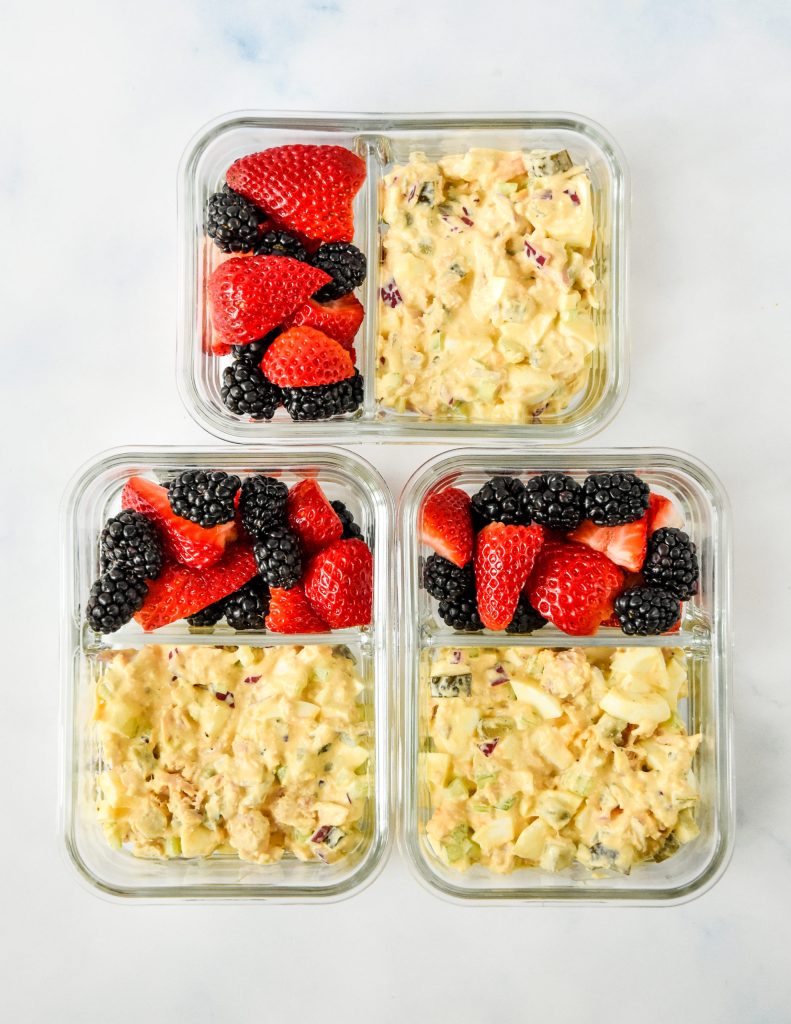
DISCOVER MORE: Click here for quick and easy meal ideas
Mastering the Basics: Key Ingredients for Meal Planning Success
At the heart of effective meal planning lies the use of simple ingredients that are not only budget-friendly but also versatile enough to offer a range of delightful options. Understanding the right fundamentals allows you to craft meals that are nutritious, satisfying, and economical. Here’s a deeper look at some essential ingredients that can form the backbone of your meal planning strategy.
Staple Grains
Starting with grains, consider incorporating staples like rice, quinoa, and pasta into your weekly menu. These foundational elements serve as a great base for a myriad of dishes. For instance, rice can be the canvas for a savory stir-fry on one day and a comforting risotto the next. Quinoa, packed with protein, works well in salads, bowls, or even as a hearty breakfast option. By preparing a large batch of grains at the beginning of the week, you can easily mix and match with other ingredients to create diverse meals.
Flexible Proteins
Protein is a vital component of any meal. By opting for versatile proteins such as chicken, beans, and eggs, you can cater to a variety of tastes while keeping costs low. For example, roast a whole chicken on Sunday, and you can use the leftovers in salads, sandwiches, or even tacos throughout the week. Beans, whether canned or dried, can be thrown into soups, stews, and salads, while also providing a great source of fiber and nutrients. Eggs, the ultimate quick-cooking protein, can be hard-boiled for snacks or scrambled with vegetables for breakfast, lunch, or dinner.
Seasonal Vegetables
Above all, seasonal vegetables can bring freshness and color to your meals without breaking the bank. Right now, farmers’ markets and grocery stores are often overflowing with options like zucchini, bell peppers, and tomatoes—all affordable and easy to prepare. Incorporate these vibrant ingredients into stir-fries, dishes like ratatouille, or simply roasted as a side. By buying in-season, you not only save money but also ensure that your meals are flavorful and nutritious.
Herbs and Spices
No meal is complete without herbs and spices which can elevate simple dishes to gourmet status. A jar of dried herbs or a small selection of fresh herbs such as basil, cilantro, or parsley can breathe life into any recipe, all while keeping costs minimal. Invest in a few key spices such as cumin, paprika, and garlic powder that can easily transform your meals and offer an exciting array of flavors without the need for expensive sauces or marinades.
By focusing on these simple ingredients and their many possibilities, you will soon find that meal planning becomes less of a chore and more of a creative outlet. Every meal can be an exploration of flavors, textures, and culinary traditions—all while saving time and money. As you continue to hone in on these basics, you’ll quickly appreciate just how rewarding and cost-effective meal planning can be.
| Category | Benefits |
|---|---|
| Cost Efficiency | Meal planning helps in minimizing food waste by allowing you to use ingredients effectively across multiple meals. |
| Time Management | With a clear plan, you can streamline your cooking process, ensuring that you spend less time figuring out meals during the week. |
Meal planning not only enhances your cooking but also creates a structured approach to meal preparations. By selecting simple, versatile ingredients, such as grains, legumes, or seasonal vegetables, you can develop various dishes with minimal effort. For example, brown rice can serve as the base for stir-fries, salads, or soups throughout the week, emphasizing the benefit of utilizing cost-effective staples.Moreover, meal prepping on weekends can significantly reduce the daily stress of cooking. By dedicating a couple of hours to prepare larger batches, you can refrigerate or freeze portions that will be the key to spontaneous yet nutritious meals. This practice ultimately leads to savings on takeout or expensive last-minute grocery runs, allowing you to focus your budget on quality ingredients instead.When approached strategically, meal planning transforms daily eating into a rewarding and deliberate experience, paving the way to better health and savings while incorporating essential nutritional elements into your diet.
DON’T MISS OUT: Click here to find out more
Maximizing Meal Prep: Tips for Efficient Use of Ingredients
Meal planning isn’t merely about the ingredients you choose; it’s also about how you prepare and utilize them to their full potential. With a few strategic techniques, you can whip up a week’s worth of meals in a fraction of the time, all while keeping expenses low. Here are some practical tips to make your meal prep efficient and effective using those simple ingredients.
Batch Cooking
One of the most effective ways to save both time and money is through batch cooking. This technique allows you to cook large quantities of food at once, which can then be portioned into meals for the week. For example, preparing a big pot of vegetable soup or a chili can yield multiple servings. Not only do you lessen cooking time on busy weeknights, but you also avoid the temptation to eat out when you have ready meals in your fridge. Just be sure to store these portions properly—using airtight containers or freezer bags can minimize waste and keep foods fresh.
Smart Freezing
The freezer can be your best friend in meal planning. Freezing surplus ingredients or fully prepared meals can help prolong the life of your food and provide quick options on those days when cooking feels like a chore. For example, consider chopping vegetables in advance and freezing them in portions. This way, you can easily throw them into a stir-fry or casserole without spending extra prep time. Additionally, cooking grains in bulk, like brown rice or quinoa, and freezing them in single servings creates an easy-to-reheat side that pairs well with a variety of proteins.
Creating a Menu System
Establishing a menu system can streamline your meal planning process. Dedicate a day each week to draft a meal plan that utilizes similar ingredients across multiple meals. For instance, if you’ve purchased a large bag of spinach, think about how to incorporate it into breakfasts (like an omelet), lunches (like salads), and dinners (like pasta or a stir-fry). This not only minimizes waste but also encourages creativity with meal combinations. Additionally, having a pre-made menu reduces the decision fatigue that often comes with figuring out what to eat each day.
Utilizing Leftovers
Leftovers are not just a second chance at last night’s dinner; they are an opportunity for innovation. Take your dinner ingredients and transform them into breakfast or lunch the next day. For example, leftover roasted veggies can be blended into a flavorful frittata for breakfast, or proteins can be turned into wraps or sandwiches for easy lunch options. This versatility enables you to enjoy a variety of flavors throughout the week without extra cooking time.
Shop Smart
Finally, implementing a smart shopping strategy can further enhance your meal planning success. Focus on purchasing bulk items when possible, whether that be grains, canned goods, or even proteins. Store brands often offer substantial savings compared to name-brand products, and buying in-season produce can significantly lower costs while boosting quality. Additionally, keep an eye out for sales and coupons that can stretch your grocery budget further.
By integrating these strategies into your meal planning routine, you will find cooking not only becomes more manageable but also more enjoyable, allowing you to savor every bite while saving both time and money.
DISCOVER MORE: Click here for easy meal ideas
Conclusion: Embracing the Art of Meal Planning
In the fast-paced world we live in, meal planning stands out as a powerful strategy for those looking to save both time and money while enjoying nutritious, homemade meals. By leveraging simple ingredients and employing practical techniques such as batch cooking, smart freezing, and a cohesive menu system, busy individuals and families can transform their dining experiences without breaking the bank. The ability to make the most of leftovers not only reduces waste but also encourages culinary creativity, allowing for diverse meals from just a few base items.
Furthermore, developing savvy shopping habits, like purchasing bulk items and focusing on seasonal produce, positions consumers to maximize their grocery budget and enhance the quality of their meals. This thoughtful approach to shopping and cooking empowers individuals to thrive amidst their daily responsibilities, all while fostering a more sustainable and health-conscious lifestyle.
As you embark on your meal planning journey, remember that simplicity is key. Embrace the ingredients that resonate with you and adapt these strategies to fit your unique needs. With a little forethought and intention, meal planning can become a rewarding habit that not only simplifies your life but also enriches your dining experience. Discover the art of turning simple ingredients into culinary masterpieces that save you time, money, and a great deal of stress.