
Mindful Living: Creating Spaces that Inspire Tranquility and Mental Clarity
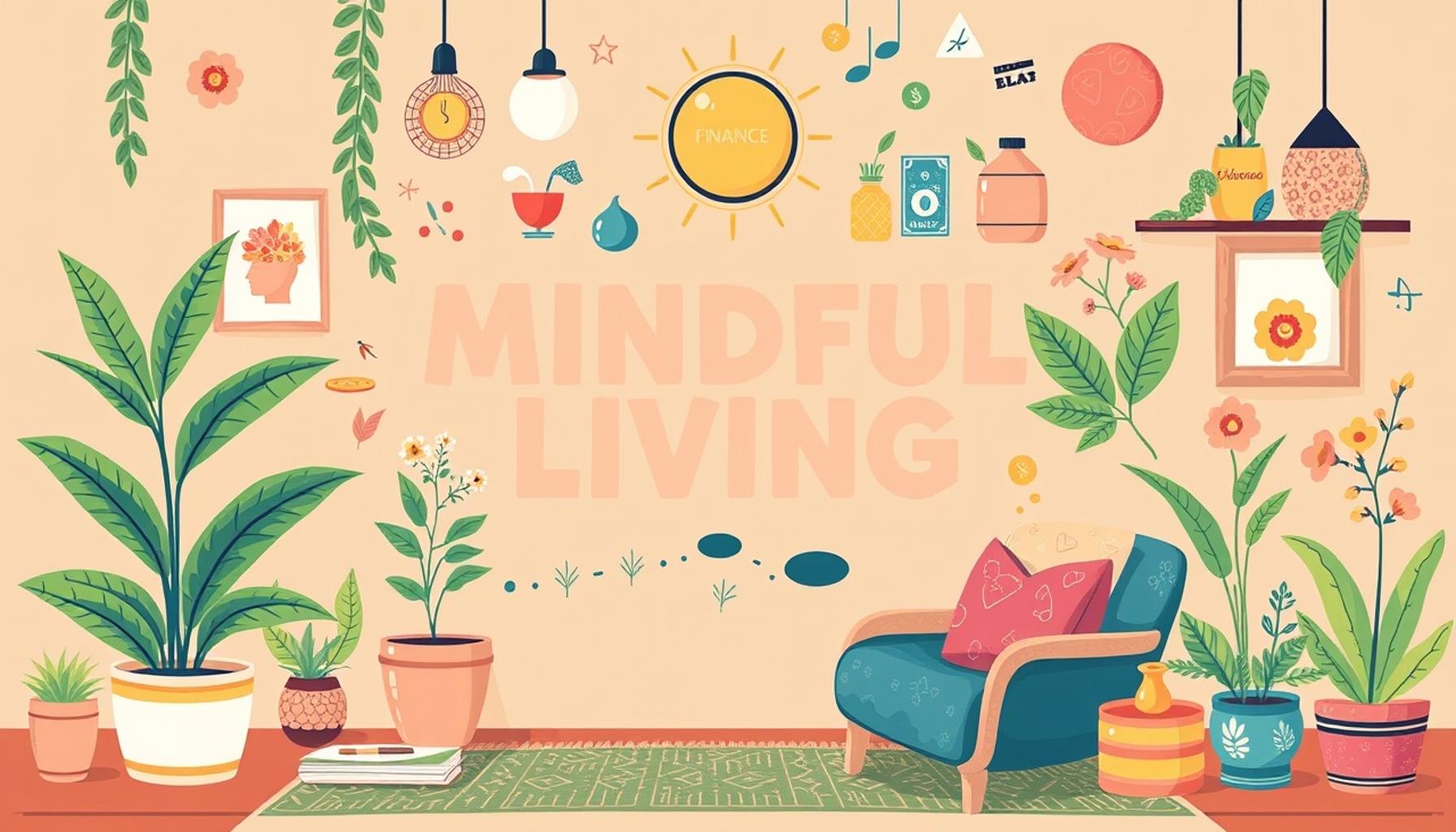
The Importance of Mindful Spaces
In the hectic rhythm of modern life, the need for mindful living has never been more critical. Stressors linger in every corner, from fast-paced work environments to the relentless chatter of social media. Establishing a sanctuary where we can engage with our surroundings in a more meaningful way is a powerful remedy. The environments we immerse ourselves in can profoundly influence our mental state, providing us with an opportunity to cultivate tranquility and rediscover our inner selves.
Creating a Harmonious Environment
To cultivate a mindful space, it is essential to consider various elements that contribute to an atmosphere of peace and clarity. Here are some key features to integrate into your living or working environment:
- Natural Light: Harnessing the power of natural light can significantly impact our well-being. Studies have shown that exposure to sunlight boosts serotonin levels, which can enhance mood and overall productivity. For instance, workplaces that incorporate large windows or skylights often report increased employee satisfaction and performance.
- Minimalism: Embracing minimalism involves paring down belongings to only the essentials. This approach not only reduces physical clutter but also alleviates mental clutter, allowing for clearer thinking and focus. Consider decluttering your home by evaluating the necessity and emotional significance of each item.
- Nature Elements: Bringing the outdoors inside can foster a sense of calm. Houseplants like peace lilies or snake plants improve air quality and create a soothing atmosphere. Furthermore, nature-inspired decor, such as wooden furniture or botanical prints, can evoke a sense of serenity that mirrors a forest or garden.
Color and Texture: Enhancing the Ambience
Color psychology plays a vital role in how we perceive and feel within a space. Selecting calming hues like soft blues and earthy greens can promote relaxation. Neutral tones, including greys and beiges, create an inviting background that allows for creative expression without overwhelming the senses. Additionally, incorporating textiles adds layers of comfort; soft cushions, warm blankets, and textured rugs create inviting nooks perfect for relaxation or contemplation.
Transformational Changes
As we delve deeper into the principles of mindful living, it becomes clear that even small shifts in our spaces can yield significant transformations in our mental landscape. Each decision regarding our environment is a reflection of our pursuit of serenity and mindfulness. By designing intentional spaces, we not only make the journey towards mental clarity attainable but also enriching. Embracing this lifestyle can lead to growth and deeper self-discovery, all while grounding us in our present experiences.
In a world filled with distractions, choosing to foster a mindful environment is not just an aesthetic choice; it is a profound path towards improved mental health and well-being. As we continue to cultivate our surroundings with care, we set the stage for a more peaceful existence.
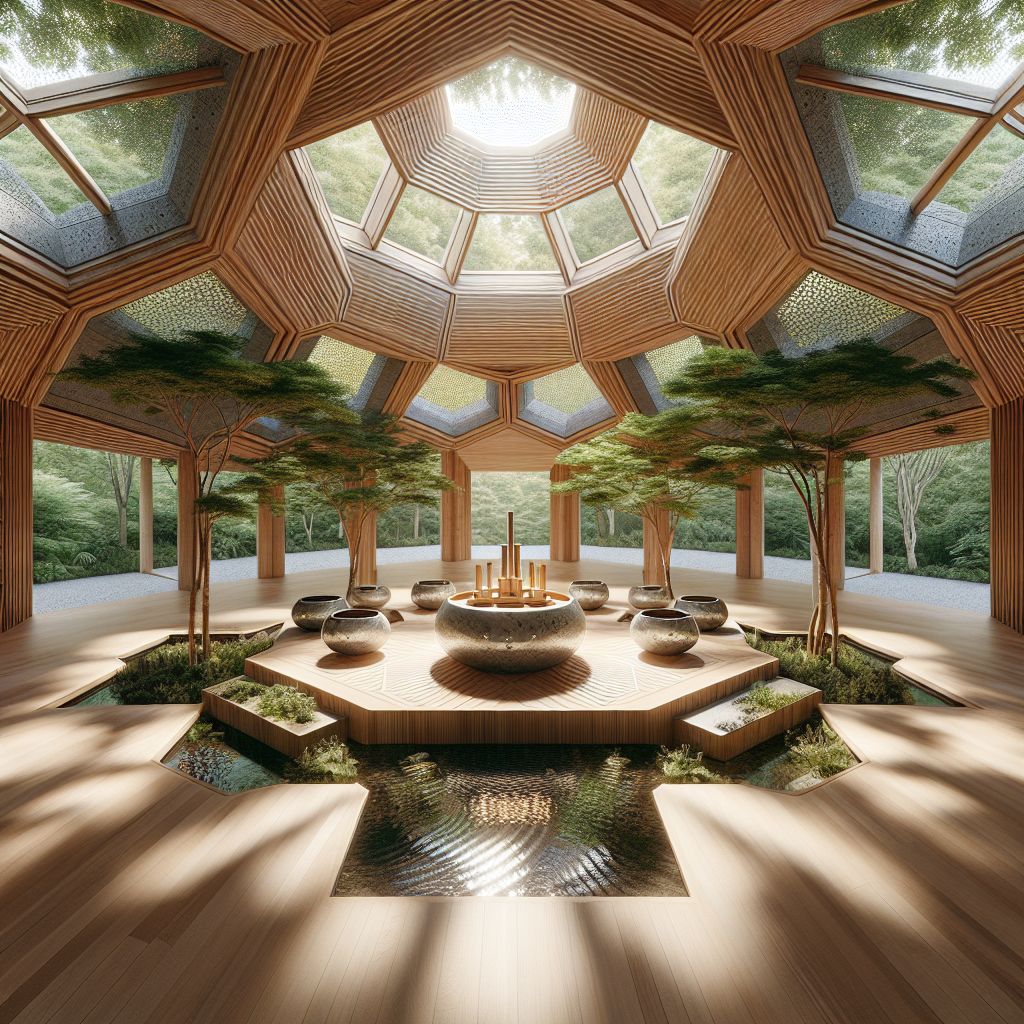
Designing a Sanctuary: Key Elements for Mindful Living
In the quest for mindful living, one must first turn to the environment, where surroundings can either enhance or detract from mental well-being. Mindful spaces should be carefully curated to reflect calmness, encourage clarity, and promote a sense of belonging. This journey begins with an understanding of essential elements that contribute to creating a sanctuary in your home or workspace.
Establishing a Connection with Nature
Integrating nature into our living spaces can have profound effects on our mental health. Evidence suggests that contact with nature can lower cortisol levels, thereby reducing stress and anxiety. Here are some simple yet powerful ways to bring nature home:
- Indoor Plants: Adding greenery like ferns or succulents not only enhances the aesthetic appeal of a room but also cleans the air. Research indicates that plants can significantly improve our mood, productivity, and focus.
- Natural Materials: Consider using materials such as wood, stone, and bamboo in furniture and decor. These materials not only add warmth but also evoke a sense of calm reminiscent of the great outdoors.
- Outdoor Views: Positioning your workspace or relaxation area near windows can create a seamless connection to the outside. Gazing upon trees or gardens can be restorative, breathing life into your day through changing seasons.
Creating Soundscapes for Mindfulness
Sound plays an integral role in our understanding of space. The auditory environment can either facilitate tranquility or create chaos. Mindful living encourages us to curate our soundscapes intentionally. Here are some effective strategies to achieve this:
- Soft Background Music: Opting for soothing music or nature sounds can significantly enhance relaxation and focus. Many studies support the idea that ambient music can elevate productivity in open workspaces.
- Minimized Noise Pollution: Soundproofing measures or strategic furniture placement can effectively mitigate disruptive noises. Building a shield against external disturbances allows for deeper concentration and a more serene environment.
- Mindfulness Practices: Incorporating sound therapies, such as singing bowls or chimes, can elevate mindfulness practices. These soothing sounds can help in grounding oneself during meditation or quiet moments.
Personalization: Infusing Your Unique Essence
Lastly, the most important aspect of mindful living is personalization. Each space must narrate your story and reflect your values. Surround yourself with items that resonate with you, whether it’s art that inspires or mementos from special moments. By thoughtfully integrating elements that hold meaning, you create a deeper connection to your space, ultimately fostering a feeling of tranquility and clarity.
Creating a mindful environment is not simply about aesthetics; it is about cultivating a sense of peace that allows for self-reflection and growth. As we embark on redesigning our spaces, let us remember that every detail contributes to the larger narrative of our well-being.
| Advantage | Impact on Mental Health |
|---|---|
| Natural Light | Exposure to natural light boosts mood and enhances overall well-being, reducing symptoms of anxiety and depression. |
| Clutter-Free Environment | Maintaining a tidy living space fosters clarity and focus, allowing individuals to concentrate better on tasks at hand. |
| Natural Materials | Using wood, stone, and other natural elements connects us with nature, promoting relaxation and reducing stress levels. |
| Mindful Decor | Thoughtfully chosen art and colors can create a calming atmosphere, stimulating a sense of peace and serenity in daily life. |
Incorporating these elements into your living space can greatly enhance your mental clarity and tranquility. The physical environment you create serves as a foundation for mindful living, impacting not only your immediate surroundings but also promoting long-term emotional health. Explore ways to implement these strategies to experience the profound effects they can have on both your space and mental well-being. Enrich your living spaces and discover the transformative power of creating environments that truly resonate with peace and clarity.
Intentional Organization: The Power of Decluttering
Another fundamental aspect of mindful living is the organization of spaces to foster mental clarity. The idea is simple: a clutter-free environment leads to a clutter-free mind. Research indicates that visual clutter can contribute to feelings of stress and anxiety. By creating an organized space, individuals can promote focus and calmness. Here are some effective methods to declutter and organize:
- The Minimalist Approach: Embracing minimalism does not mean emptying your space but selecting only the items that truly bring joy or serve a purpose. According to Marie Kondo, a renowned decluttering expert, asking yourself if an item sparks joy is a crucial step in reducing clutter.
- Functional Storage: Utilize storage solutions that fit your lifestyle, such as decorative baskets or elegant shelving units. These not only keep items organized but also complement your décor, adding to the overall serenity of the space.
- Regular “Reset” Days: Schedule periodic decluttering sessions to maintain the order in your home. Whether it’s a monthly or bi-monthly routine, setting aside time to reevaluate belongings can keep your space feeling fresh, encouraging mental clarity.
Lighting: Setting the Mood for Mindfulness
The significance of lighting in creating a mindful living space cannot be overstated. Proper lighting not only enhances the ambiance but can also influence our moods and energy levels. Here are ways to harness effective lighting:
- Natural Light: Maximize exposure to natural light during the day. Studies show that natural light improves mood and boosts creativity. Position your desk near windows or keep your curtains open to allow sunlight to fill the room.
- Layered Lighting: Combine various types of lighting—ambient, task, and accent. Ambient light serves as the general illumination, while task lighting aids in specific activities. Accent lights can highlight features in your space that resonate with your personality, such as artwork or plants.
- Warm Tones and Dimmers: Opt for warm-toned bulbs or adjustable light fixtures. Dimmers can create different moods according to the time of day and activities, allowing for a more tailored experience that supports relaxation or concentration.
Mindfulness Zones: Designating Areas for Reflection
Creating specific zones dedicated to mindfulness practices is instrumental in cultivating an atmosphere of tranquility. Here’s how to establish these spaces:
- Quiet Corners: Designate a corner of your home for peaceful activities such as reading, journaling, or meditating. Provide comfortable seating, cushions, and soft blankets to encourage relaxation. Adding visual elements, like calming artwork or a small water feature, can amplify the serenity.
- Mindful Movement Spaces: If yoga or stretching is part of your routine, set up a dedicated space with a yoga mat and blocks. Integrate elements that motivate movement, such as inspirational quotes on the walls or a speaker for calming music.
- Inspiration Boards: Elevate motivation by creating a vision or inspiration board. Include images, quotes, and reminders of your goals and aspirations. This powerful visual can serve as a daily reminder that grounds you in your journey toward mindfulness.
By intentionally organizing, managing lighting, and establishing mindfulness zones, individuals can effectively cultivate an environment that promotes tranquility and mental clarity. These mindful adjustments not only enhance personal spaces but also invite an overall sense of well-being into daily life.
Embracing Mindful Living for a Peaceful Future
In conclusion, mindful living is a transformative approach that encourages individuals to create harmonious spaces that foster both tranquility and mental clarity. As we’ve explored, the act of decluttering is not merely about tidiness; it is about inviting peace into our lives by surrounding ourselves with items that bring joy and purpose. Furthermore, the strategic use of lighting plays a significant role in shaping our environments and enhancing our moods, with natural light and layered lighting schemes establishing a calming atmosphere that can influence our daily experiences.
The creation of dedicated mindfulness zones enables individuals to engage in reflective activities that promote personal growth and emotional well-being. By thoughtfully carving out quiet corners and movement spaces, we not only acknowledge the importance of mental health but also prioritize it in our daily routines. These areas serve as gentle reminders of our commitment to self-care and mental clarity.
As we strive to cultivate mindful living, we invite readers to reconsider their own environments—challenging them to evaluate how their spaces affect their emotional and mental states. The path to serenity lies in intentional choices that enhance our living spaces, encouraging us to embrace a lifestyle that prioritizes mindfulness, reflection, and clarity. By making small yet impactful adjustments, anyone can embark on a journey toward a more centered and fulfilling life. Ultimately, creating spaces that inspire tranquility is not just about aesthetics; it’s a profound way to nurture one’s overall well-being.
Related posts:
The Importance of Mindfulness in Reducing Stress and Anxiety in a Minimalist Lifestyle
Deconstructing Consumerism: How Living with Less Can Increase Awareness
Mindful Living and Simplicity: Cultivating Meaningful Connections in a Fast-Paced World
The Power of Silence: Integrating Moments of Reflection in the Practice of Minimalism
The Connection between Mindful Living and Sustainability: Reducing Waste Consciously
The Art of Letting Go: How Mindful Living Can Transform Your Relationship with Possessions

Linda Carter is a writer and organization expert specializing in minimalism and personal organization. With extensive experience helping individuals create clutter-free, functional spaces and adopt mindful habits, Linda shares her knowledge on our platform. Her goal is to empower readers with practical advice and strategies to simplify their lives, stay organized, and achieve a sense of calm and balance in their daily routines.