Minimalist Living Spaces: Creating Cozy Environments Without Excess
Exploring the Concept of Minimalist Living Spaces
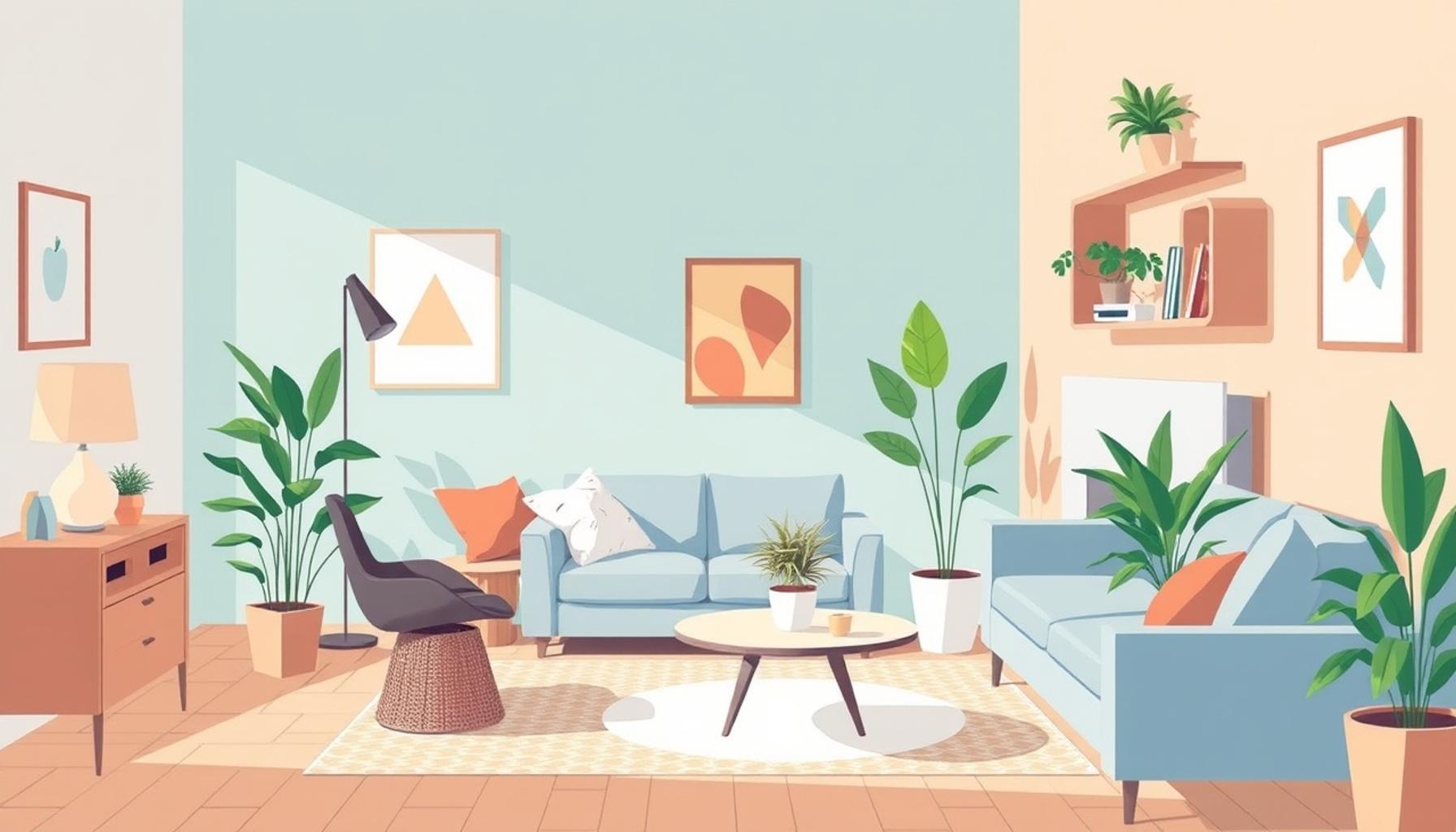
In today’s fast-paced world, where consumerism reigns supreme and distractions are omnipresent, many are finding solace in the concept of minimalist living spaces. This design philosophy, rooted in the principle of “less is more,” emphasizes the creation of serene environments that nurture the spirit devoid of excess clutter. By streamlining our surroundings, we can achieve a tranquil atmosphere that fosters peace and contentment.
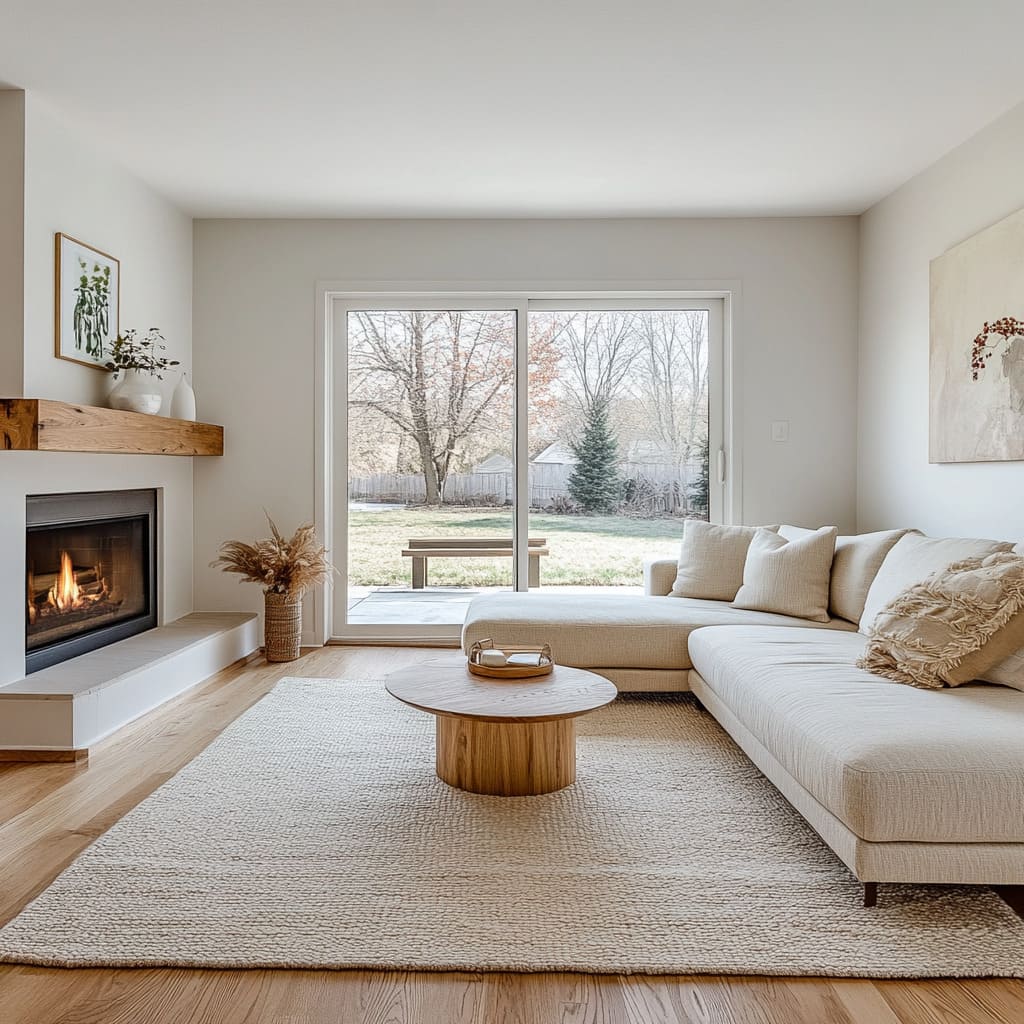
At the heart of a well-executed minimalist space are a few key elements that combine functionality with aesthetic appeal. First, consider the use of neutral color palettes. Predominantly soft hues such as whites, beiges, and gentle greys contribute significantly to a calming ambiance. These colors not only enhance the perception of space but also create a backdrop against which personal items and art can stand out without overwhelming the senses.
Next, the role of functional furniture cannot be overstated. In minimalist design, every piece serves a dual purpose or more; for instance, a coffee table with built-in storage can reduce visual clutter while remaining stylish. Brands like IKEA have popularized this concept in the United States, encouraging consumers to seek out furniture that is both functional and aesthetically pleasing, transforming small spaces into the epitome of modern design.
Moreover, the incorporation of natural light is essential in minimalist designs. Maximizing sunlight through large windows or skylights not only uplifts the mood but also creates a feeling of openness. According to studies conducted by Stanford University, exposure to natural light can significantly improve creativity and overall well-being, making it a vital component of any minimalist space.
The move towards minimalism reflects a broader cultural shift observed across the United States. Many individuals are opting for smaller homes and apartments as a sustainable lifestyle choice. This shift not only reduces one’s carbon footprint but also encourages a more intentional approach to consumption. The trend can be noticed in urban centers where compact living spaces often feature innovative designs that promote efficiency.
In addition, the desire for multi-functional spaces is gaining traction, particularly amongst millennials and Gen Z. As remote work becomes more prevalent, many are creating home offices that can easily transform into guest rooms or workout spaces, showcasing adaptability as a key characteristic of minimalist living.
Finally, the growing popularity of decluttering practices, such as the KonMari method, emphasizes the importance of surrounding oneself with items that spark joy. By embracing these principles, individuals report increased mental clarity and focus, ultimately leading to a more fulfilling life.
As we delve into the intricacies of creating cozy environments through minimalist design, it becomes evident that one can transform their living space into a sanctuary that embodies simplicity while providing comfort. Are you ready to embrace this journey towards a more intentional lifestyle? Let’s further explore the art of minimalist living and consider how it can profoundly impact our lives.
Design Principles for Minimalist Living Spaces
Embracing a minimalist lifestyle requires an understanding of several design principles that can transform how we perceive and inhabit our spaces. To achieve a cozy, decluttered environment, it is essential to prioritize both aesthetics and functionality. Here are some core principles that serve as the foundation for creating these inviting minimalist spaces:
- Intentionality: Each item in a minimalist space should have a designated purpose. This mindset prevents the accumulation of unnecessary belongings, allowing for a clear and functional living area. In adopting this principle, homeowners can assess their belongings critically, asking themselves whether an item adds value to their life.
- Textural Layers: Minimalism is often associated with stark simplicity, but incorporating different textures can add warmth and comfort. Think of soft fabrics like cotton or wool for throws and cushions, combined with natural elements such as wood or stone. These materials create a sense of coziness without compromising the minimalist aesthetic.
- Open Floor Plans: Open-concept living is a hallmark of many modern minimalist designs. By removing unnecessary walls, space feels larger and more fluid. This design also encourages the flow of natural light, enhancing the vibrant experience of a minimalist home.
- Defined Zones: Even in an open layout, it is crucial to create distinct areas for different activities, such as relaxing, working, and dining. Utilizing area rugs, furniture arrangements, or lighting can effectively delineate these zones, contributing to a balanced and cohesive atmosphere.
- Personal Touches: While minimalism advocates for reducing excess, it doesn’t mean completely foregoing personal expression. Incorporating a few meaningful decorative items, such as a cherished artwork or a family photograph, can provide character to the space without overwhelming it.
Another pivotal aspect of minimalist living spaces is the concept of seasonal adaptability. Changing decor to reflect the seasons, whether through different textiles or colors, can breathe new life into a space without requiring significant investment. It invites inhabitants to engage with their environment meaningfully and fosters a sense of renewal.
Additionally, a focus on eco-friendly materials is gaining traction in minimalism. As awareness of sustainability grows, many are opting for furniture and decor made from recycled or renewable resources. This choice not only promotes a healthier planet but also adds a layer of depth to home environments that cherish craftsmanship and conscious consumption.
Understanding these principles is the first step towards creating a home that embodies tranquility and function. As we further explore how to implement these design elements, our journey into the realm of minimalism promises to reveal deeper insights into authentic living—free from the chaos of excess.
| Advantage | Description |
|---|---|
| Increased Focus | Minimalist spaces promote clarity and concentration, which is ideal for productivity. By reducing clutter, individuals can better prioritize their tasks. |
| Enhanced Comfort | Cozy environments foster a sense of peace and well-being, allowing occupants to relax without distractions, creating a restorative haven. |
| Environmental Sustainability | Emphasizing function over excess promotes sustainability. By minimizing purchases, individuals impact resource conservation and waste reduction. |
| Financial Freedom | A minimalist lifestyle encourages individuals to save money by curbing unnecessary spending, leading to a simpler and more satisfying financial path. |
The advantages of minimalist living spaces lie in their potential to transform lifestyles profoundly. Reduced distractions in these well-organized environments create room for more meaningful experiences and improved mental clarity. Meanwhile, the comfort derived from a carefully curated selection of items fosters a sense of belonging and peace. This essential aspect not only nourishes one’s well-being but also invites others to experience a serene environment free from chaos. Beyond personal benefits, embracing minimalist principles supports broader social goals. With a growing emphasis on environmental challenges, minimalist living stands as a vital approach to encourage sustainable practices. The conscious decision to invest in quality over quantity enables individuals to contribute positively to their communities. Such reflections on minimalist living intuitively lead to deeper explorations of its possibilities, unveiling new horizons for those willing to embrace its essence.
Practical Tips for Achieving Minimalist Living Spaces
To successfully cultivate a minimalist living space that radiates coziness, there are practical steps to consider that align with the design principles discussed earlier. Implementing these tips can enhance not only the aesthetic of your home but also your day-to-day life, promoting mindfulness and ease in your surroundings.
- Declutter Regularly: The path to minimalism starts with decluttering. Make it a habit to assess your belongings on a regular basis. A widely recommended technique is the one-in, one-out rule: for every new item that enters your home, another must leave. This method keeps your space from becoming overwhelmed with unused items, ensuring that each object remains purposeful.
- Choose a Neutral Color Palette: A tranquil atmosphere can be achieved through the use of neutral colors, which can make spaces feel larger and more inviting. Soft whites, beiges, and muted earth tones provide a background that uplifts textures and personal items. Accent colors can be thoughtfully introduced through accessories or seasonal decor changes, allowing for personality without excess.
- Embrace Multi-Functional Furniture: Invest in furnishings that serve multiple purposes. For instance, consider a sofa bed or a coffee table that doubles as storage. Such pieces optimize functionality without taking up additional space, making them particularly valuable in urban settings where square footage is premium.
- Utilize Vertical Space: In smaller living spaces, maximizing vertical space can alleviate the need for bulky furniture. Floating shelves display books or plants without encroaching on floor space, while wall-mounted lighting can free up surfaces for other uses. Using vertical storage solutions can help maintain an organized, minimalist environment.
- Incorporate Nature: Bringing elements of nature into your home can elevate a minimalist space. Houseplants not only purify the air but also add life and color, enhancing a cozy ambiance. Consider low-maintenance options like succulents or snake plants if you’re new to indoor gardening.
Moreover, consider your lighting options carefully. Natural light is an integral part of minimalist design, providing warmth and openness. Ways to enhance natural light include using sheer curtains, mirrors to reflect light, and strategically placed furniture. Layered lighting, including ambient and task lighting, creates a versatile environment that adapts to your needs throughout the day, fostering comfort as you transition from morning to night.
Mindful Living and Maintenance
Minimalist living is not solely about the physical space; it also invites a shift in mindset towards mindful living. Create rituals around the care of your space to enhance the experience of simplicity. For instance, embracing slow mornings with a tidying routine can set a positive tone for the day. Additionally, implementing a cleaning schedule that focuses on one area at a time can prevent overwhelm and maintain the serene atmosphere.
Lastly, consider the psychological benefits of downsizing belongings and embracing simplicity. Adopting a minimalist ethos can lead to improved mental well-being by reducing anxiety associated with clutter and decision fatigue. This liberation from excess allows individuals to invest more time and energy into experiences rather than possessions, fostering a more fulfilling and cozy lifestyle.
Conclusion: Embracing the Minimalist Lifestyle
In today’s fast-paced world, minimalist living spaces offer a refuge from the chaos, allowing us to cultivate cozy environments that prioritize peace and tranquility over excess. By focusing on what truly matters, such as carefully chosen furnishings, a neutral color palette, and incorporating elements of nature, we can transform our homes into sanctuaries of comfort.
As you embark on your minimalist journey, remember that it’s not just about reducing clutter; it’s about creating a lifestyle that values quality over quantity. Embracing the one-in, one-out rule and adopting multi-functional furniture are practical strategies that enable you to maintain a serene space that still reflects your personality. By utilizing vertical space and maximizing natural light, even the smallest apartments can feel open and inviting.
Moreover, the psychological benefits of minimalism cannot be understated. A commitment to mindful living can not only elevate your home environment but also your mental well-being, significantly reducing stress and fostering a sense of clarity. Decluttering your physical space gives rise to mental clarity, allowing you to focus on experiences that enrich your life.
Ultimately, embracing a minimalist lifestyle is a personal journey that leads you toward a more intentional way of living. As you curate your surroundings, you create a profound sense of stability and comfort that can enrich both your living space and your overall well-being. Dive deeper into this intriguing lifestyle, and discover the myriad of possibilities that await you in creating a harmonious home.
Related posts:
The Role of Technology in Optimizing Minimalist Spaces: Apps and Gadgets that Facilitate Organizatio...
The Impact of Minimalism on Mental Health: Creating Calm and Organized Environments
Demystifying Minimalism: How to Select What Truly Matters in Your Space
Maximizing Small Spaces: Minimalist Organization Techniques for Compact Apartments
Maximizing Small Spaces: Space Optimization Strategies in Minimalist Environments
Smart Storage Solutions: Multifunctional Furniture for Minimalist Environments

Linda Carter is a writer and organization expert specializing in minimalism and personal organization. With extensive experience helping individuals create clutter-free, functional spaces and adopt mindful habits, Linda shares her knowledge on our platform. Her goal is to empower readers with practical advice and strategies to simplify their lives, stay organized, and achieve a sense of calm and balance in their daily routines.