Skillet Cooking: Quick and Economical Meals in One Utensil
The Joys and Benefits of Skillet Cooking
In today’s fast-paced world, skillet cooking emerges as a game-changer for home chefs and busy families alike. This cooking method not only simplifies meal preparation but also introduces economical solutions to your dining table, allowing for healthy and delicious meals without breaking the bank. The skillet is not just another kitchen tool; it is a versatile powerhouse that can help you create stunning dishes with minimal effort.
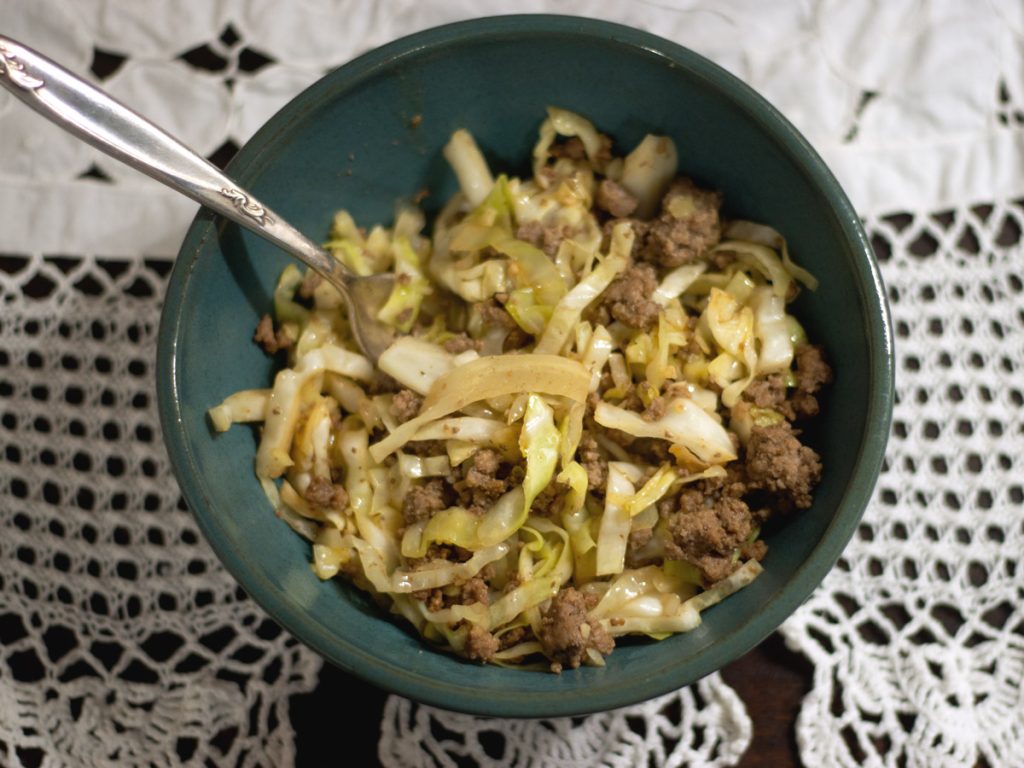
Imagine transforming your dinner table with just one piece of cookware. With a skillet, you can whip up a variety of delightful meals ranging from savory breakfasts to hearty dinners. Consider these quick meal options that exemplify the skillet’s versatility:
- Stir-fries – A vibrant mix of vegetables and your choice of proteins like chicken, tofu, or shrimp—perfectly cooked in mere minutes. This method not only saves time but retains the nutrients and crunch of your vegetables.
- Frittatas – An innovative way to repurpose leftover ingredients. Whisk together some eggs with vegetables, meats, or herbs, pour them into a heated skillet, and let it set for a delightful brunch or light dinner.
- One-pan pastas – Combine your favorite pasta, sauce, and a variety of add-ins like spinach or mozzarella, all cooked together in one pan. This method not only infuses the pasta with rich flavors but also simplifies cleanup.
Skillets truly shine during busy weeknights, where both time and budget constraints dominate meal planning. Cooking everything in one pan allows for the following advantages:
- Less mess – Fewer dishes to wash means more time enjoying your meal and less time slaving at the sink. This efficiency is especially appealing to those who might not have the energy for after-dinner cleanup.
- Economical meals – Skillets enable you to make use of affordable ingredients that can stretch far. For example, rice, beans, and seasonal vegetables can be transformed into a variety of filling and satisfying dishes.
- Flavor freedom – Skillets are a blank canvas for experimentation with spices and cooking styles, opening the door to cuisines from around the world, whether it’s a zesty Mexican fajita or a comforting Italian risotto.
As you delve into the realm of skillet cooking, you’ll discover that flavorful, quick meals don’t require hours of preparation or elaborate recipes. The skillet invites creativity and spontaneous cooking, making it an essential tool in modern kitchens. Join us as we explore innovative recipes, helpful tips, and effective techniques to make the most of this indispensable kitchen staple! Through skillet cooking, every meal can turn into a culinary adventure that can engage everyone at the dining table.
DISCOVER MORE: Click here for scrumptious noodle recipes!
Mastering the Art of Skillet Cooking
Skillet cooking is more than just a method; it’s a skill that can transform the way you approach meal preparation. By utilizing a single utensil, you can create a spectrum of dishes that save both time and money. Whether you are a novice in the kitchen or a seasoned cook seeking efficiency, understanding the fundamental techniques of skillet cooking can elevate your culinary game significantly.
Essential Techniques for Skillet Mastery
When it comes to skillet cooking, learning a few key techniques can help you harness the full potential of this beloved kitchen tool. Here are some fundamental skills to master for creating quick and economical meals:
- Searing – Achieving that beautiful brown crust on meats, poultry, or fish is essential. Preheat your skillet to a high temperature before adding a drizzle of oil. This process enhances flavor while sealing in moisture, resulting in a more satisfying dish.
- Sautéing – This quick cooking method uses a small amount of oil or fat and high heat to cook food quickly. Ideal for vegetables, sautéing not only enhances flavor but also preserves their vibrant colors and nutrients.
- Deglazing – After cooking, the bits of food that stick to the bottom of the skillet can be transformed into rich sauces. By adding broth, wine, or even vinegar, you can lift these flavorful morsels, creating a delicious accompaniment to your meal.
- Simmering – Transitioning from high heat to a lower simmer allows you to meld flavors together beautifully. Add ingredients like tomatoes, broth, or cream to create sauces that enhance the overall dish.
Understanding these techniques opens the door to an array of skillet recipes that cater to every palate. Additionally, incorporating seasonal ingredients can keep your meals fresh while also respecting your budget. For example, using farmers’ market finds not only supports local agriculture but often leads to delightful dishes bursting with flavor within your skillet.
Time and Cost Efficiency in the Kitchen
One of the primary attractions of skillet cooking is the impressive efficiency it offers. In fact, many families across the United States are adopting this method as a way to reduce both their cooking time and grocery expenses. According to research, households can save up to 30% on their grocery bills by planning meals around versatile staples like grains, beans, and seasonal vegetables.
By learning to use a skillet effectively, the potential for time savings becomes evident. Preparing a nutritious meal can be accomplished in under 30 minutes, allowing for more time to enjoy your food rather than preparing it. With a little practice and creativity, dinner becomes a quick and enjoyable adventure instead of a daunting chore.
Skillet Cooking in Practice
Armed with these techniques and insights into cost-saving strategies, you are well on your way to becoming a skilled skillet cook. Imagine throwing together a fragrant stir-fry using leftover proteins and vegetables or crafting a comforting one-pot chili in under an hour. The possibilities are virtually limitless, limited only by your creativity and the ingredients at hand.
Join us as we continue to explore enticing recipes, practical tips, and more sophisticated techniques that will empower you to make the most of your skillet. Whether you are cooking for one or many, skillet cooking paves the way for delicious meals that won’t strain your time or your pocketbook.
| Advantage | Benefit |
|---|---|
| Time Efficiency | Using a skillet allows for faster meal preparation, reducing overall cooking time. |
| Cost-Effective | Skillet cooking minimizes the need for multiple pans, making it economical on energy and cleaning supplies. |
Skillet cooking not only saves time but also encourages creativity in the kitchen. The one-pan approach allows for seamless transitions between various cooking techniques, from sautéing to simmering, which can dramatically enhance the flavor profile of any dish. You can easily toss in fresh vegetables, proteins, and spices, transforming basic ingredients into a culinary delight in mere minutes.Moreover, by incorporating skillet cooking into your routine, you embrace a philosophy that fosters sustainability. Fewer dishes mean less water and energy usage, positioning this cooking method as environmentally friendly while still delivering delicious meals. Imagine whipping up a hearty stir-fry or a rich pasta dish all in the same skillet, perfect for any family dinner. The versatility and practicality of a skillet thus empower home cooks to experiment and enjoy their time in the kitchen like never before.
DISCOVER MORE: Click here for quick and healthy dinner ideas
Unleashing Creativity with Skillet Cooking
Beyond mastering essential techniques, skillet cooking invites a world of creative possibilities. As you grow more comfortable with your skillet, begin to experiment with ingredients and flavors that you may not have considered. The versatility of the skillet means you can easily swap ingredients, allowing for endless variations while staying within budget.
Ingredient Swaps for Diverse Dishes
One of the most appealing aspects of skillet cooking is the ability to customize meals to suit your preferences or dietary needs. For instance, if a recipe calls for ground beef, consider substituting ground turkey or vegetarian options like lentils or black beans to create a lighter, yet equally satisfying meal. Similarly, if a dish requires rice, think about using quinoa or farro for a nutritional boost.
By mixing and matching ingredients, you can keep meals fresh and exciting. Experiment with different spices, herbs, and sauces to add flair to your skillet creations. For example, a basic vegetable stir-fry can quickly become a Thai-inspired dish with the addition of coconut milk and curry paste, or transform into a Mediterranean delight with olives, feta cheese, and oregano. The key is to let your palate guide your creativity.
Nutritious and Budget-Friendly Meal Prep
Skillet cooking is not only about preparation; it’s also a perfect method for meal prepping. Taking advantage of bulk cooking can save both time and money. By preparing larger quantities of a dish, you can easily reheat servings throughout the week. Stir-fries, casseroles, and skillet bakes are all excellent options for meal prep, allowing you to portion out meals that are ready to go when you are.
Furthermore, incorporating pantry staples like canned beans, pasta, and frozen vegetables into skillet recipes can stretch your dollar further. These items have a long shelf life and can be transformed into delightful meals with minimal effort. For instance, sauté canned chickpeas with garlic and spinach for a quick and filling dish, or whip up a zucchini and corn fritter in minutes for a delicious breakfast option.
Skillet Cooking: A Gateway to Healthy Choices
In addition to providing a swift cooking experience and supporting economical meal planning, skillet cooking encourages healthier eating habits. The process often calls for less oil compared to other cooking methods such as frying, and utilizing fresh ingredients contributes to a more nutritious diet. The ability to control portions and ingredients allows cooks to stick to dietary goals without sacrificing flavor.
Moreover, a quick sauté or stir-fry retains much of the nutritional value of vegetables, ensuring you’re making the most of the produce on your plate. Whole foods cooked in a skillet can lead not only to satisfying meals but also to improved well-being.
Community and Connection through Skillet Recipes
Finally, skillet cooking creates opportunities for connection and sharing. The simplicity of these dishes allows you to gather with family and friends, making cooking a communal experience. Encourage collaborations by having guests create their own skillet meals with pre-prepared ingredients, fostering creativity and camaraderie in the kitchen.
As you delve deeper into skillet cooking, remember that the focus is not just on speed and cost but also on embracing the joy of cooking and the flavors that arise from experimentation. From busy weeknight dinners to celebratory feasts, the skillet is your trusty companion in navigating the culinary landscape.
DISCOVER MORE: Click here to unlock delicious meal transformations
Embracing the Simplicity of Skillet Cooking
In conclusion, skillet cooking proves to be a remarkable method for crafting quick and economical meals without sacrificing flavor or nutritional value. The ability to streamline cooking into a single utensil not only promotes efficiency but also encourages creativity in the kitchen. Every cooking adventure with a skillet opens the door to experimentation, allowing individuals to personalize recipes to fit their unique tastes and dietary needs. The versatility extends beyond mere ingredients; it invites cooks to explore different flavor profiles, transforming simple dishes into culinary masterpieces with minimal effort.
Moreover, the financial benefits are undeniable. By utilizing pantry staples and incorporating seasonal produce, families can save money while enjoying an array of delicious meals. Skillet cooking complements a variety of meal prep strategies, making it easier than ever to enjoy home-cooked food throughout the week without the monotony of repetitive dishes.
As we embrace the art of skillet cooking, we also foster community and connection, sharing meals that bring people together in an otherwise busy world. These moments not only enhance our culinary experiences but also create cherished memories with loved ones. So, whether you are an experienced chef or a novice in the kitchen, your skillet is more than just a tool; it is an invitation to explore, enjoy, and nourish not only yourself but also those around you. As you navigate this culinary journey, let your skillet be your creative partner, guiding you toward delicious and healthy meals, one dish at a time.