Spaces of Serenity: How Mindful Living Can Redefine Home Organization

Creating Calm in Your Home Environment
Amid the whirlwind of daily responsibilities and the demands of modern-day life, many individuals are turning to their homes as sanctuaries of peace. The growing trend of mindful living reflects a movement toward intentionality and awareness in how we curate our living spaces. By adopting the principles of mindful living, you can transform your home into an oasis of tranquility that nurtures not only your physical environment but also your mental state.
Integrating mindfulness into your home begins with a few key principles, which can significantly enhance how you organize your spaces:
- Decluttering: The act of removing unnecessary items from your home can be incredibly liberating. Studies suggest that a cluttered environment can lead to increased levels of stress and anxiety. By systematically reducing excess belongings, perhaps starting with clothes or outdated electronics, you create more open space that evokes calmness and clarity. For instance, the popular Marie Kondo method encourages you to ask whether an item “sparks joy,” forcing you to make conscious choices about what to keep.
- Intentional Design: The way you decorate your home can significantly impact your mood. Selecting furniture and decor that resonate with your personal style fosters a sense of belonging. Consider choosing pieces that incorporate natural materials, such as wooden furniture or cotton textiles, to create a warm and inviting atmosphere. Additionally, incorporating color psychology can enhance your space; soft blues and greens promote tranquility, while yellows can ignite creativity.
- Functional Spaces: Clearly defined areas for specific activities contribute to a more organized and efficient lifestyle. Create a dedicated workspace that minimizes distractions, perhaps by using noise-canceling headphones or removing non-work-related items from view. Similarly, a cozy nook filled with cushions and blankets can serve as your personal retreat for relaxation, helping you to unwind at the end of a busy day.
The principles of minimalism have captured the attention of many Americans, as the pursuit of a clutter-free environment not only enhances aesthetic appeal but also improves overall well-being. Research consistently shows that individuals living in orderly surroundings tend to experience reduced stress and increased mental clarity. This shift towards mindful living paves the way for a lifestyle that prioritizes peace over chaos.
Picture a home where each item is deliberately chosen, where everything serves a purpose, contributing to an ambiance of harmony. In the subsequent sections, we will delve into practical strategies and actionable tips for cultivating spaces of serenity. You’ll find guidance that encourages you to embark on your own journey toward creating a mindful living space tailored to your needs and aspirations.
Embracing Mindfulness in Everyday Organization
The journey toward transforming your home into a space of serenity hinges on understanding the intricate relationship between mindfulness and organization. Mindfulness, the practice of being fully present in the moment, extends beyond meditation; it influences how we choose to curate our living spaces. The way we organize our homes can essentially mirror our mindset, creating a reflection of our internal state.
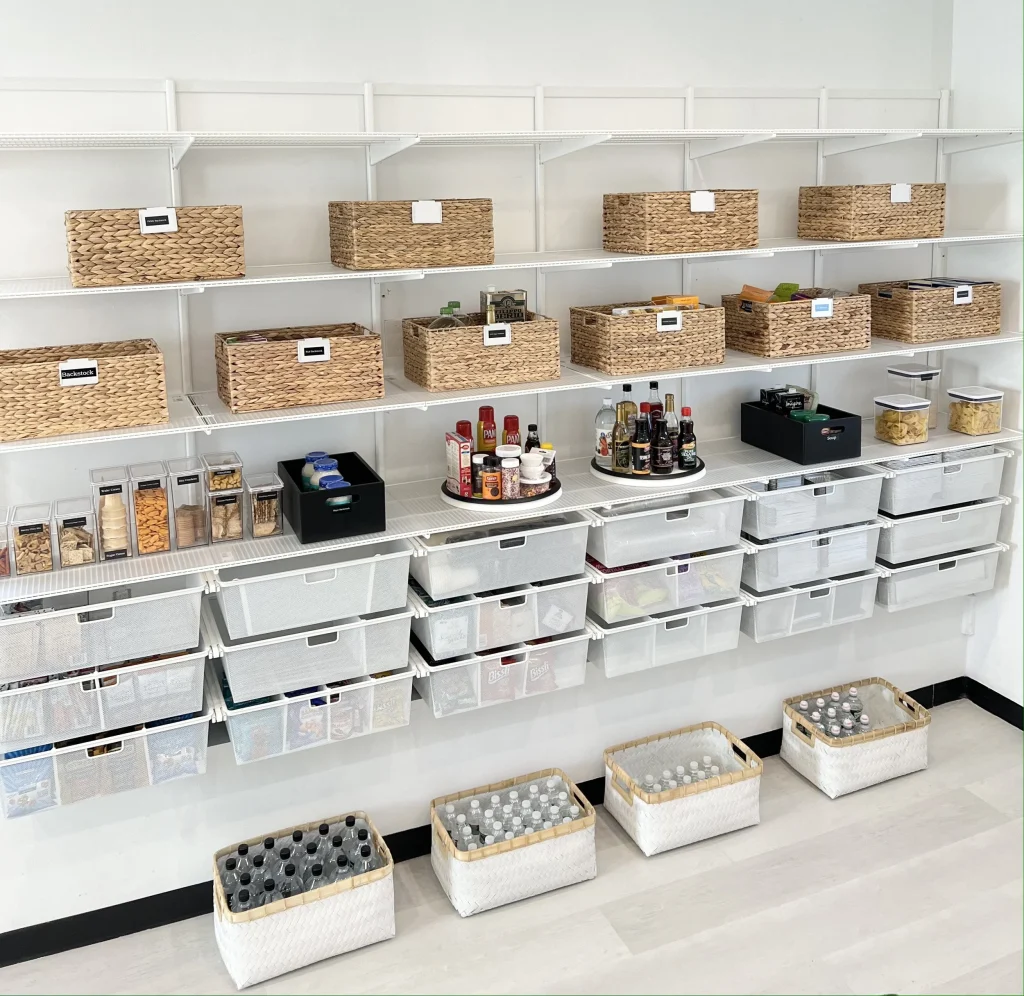
To cultivate a mindful home, consider the following strategies that can redefine organization in a way that fosters tranquility:
- Mindful Purchasing: Every item you bring into your home should have purpose and intention. Before making a purchase, ask yourself critical questions: Does this item serve a function? Does it bring me joy? This practice not only reduces clutter but also leads to a more meaningful collection of belongings. In a consumer culture that celebrates accumulation, being selective can empower you to embrace simplicity.
- Daily Rituals of Care: Rather than viewing organization as a chore, approach it with a mindset of care. Establish routines that include tidying up for just a few minutes each day, allowing you to maintain order without feeling overwhelmed. Make it a habit to return items to their homes immediately after use, which can create a seamless flow within your space.
- Nature’s Influence: Integrating elements of nature into your home can enhance your well-being and promote mindfulness. Incorporate indoor plants, which not only purify the air but also add life and color. Research shows that interactions with nature can reduce stress and boost your mood, making them an effective and serene addition to any room.
Moreover, understanding the psychology behind color choice plays a pivotal role in crafting a peaceful environment. Different hues can evoke specific emotions, and subtle changes to your space’s color palette can foster an atmosphere of calm. For instance, incorporating shades of green may enhance feelings of restfulness, while softer neutrals can create a clean and organized feel. The right color, combined with mindful organization, may significantly enhance your personal sanctuary.
As you take steps toward organizing your home with intention, it’s essential to remain patient and flexible. Mindful living is a journey rather than a destination, and change may require time and adaptation. By gradually implementing these practices, you’re likely to see not just a physical transformation in your space, but also a profound shift in your mental clarity and emotional balance.
In the next sections, we will explore deeper insights into how to effectively apply these principles to specific areas of your home, ensuring that every corner radiates serenity and serves your unique lifestyle.
Exploring the Elements of Mindful Living
In the journey towards creating a peaceful abode, understanding the elements of mindful living is essential. The essence of mindful living is to foster awareness of your space and how it impacts your mental and emotional well-being. Adopting this practice can lead to an organized home that efficiently reflects your values and intentions.
Decluttering with Purpose
A core principle of mindful living is decluttering, which can be transformative. This process goes beyond mere organization; it invites individuals to assess their possessions thoughtfully. By only keeping items that resonate positively, homeowners can create a sanctuary that fosters clarity and focus. The act of decluttering is not simply about removing unnecessary items but about creating room for what truly matters.
Intentional Spaces
Designating intentional spaces within your home is another significant aspect. Each area should serve a purpose that aligns with your lifestyle. For instance, establishing a reading nook filled with cherished books can become a retreat for relaxation and rejuvenation. This practice invites mindfulness into daily routines, allowing for moments of pause and reflection amidst life’s chaos.
Connection with Nature
Integrating natural elements into your home environment is a pivotal component of creating a serene space. Incorporating plants, natural light, and soothing colors can greatly enhance the ambiance, leading to a healthier and more tranquil atmosphere. Nature has proven benefits for mental health and contributes to creating a harmonious living space that enhances one’s overall sense of well-being.
Routine Rituals
Establishing daily routines is another effective way to incorporate mindfulness into home organization. Simple rituals—such as a morning meditation or an evening unwinding session—can promote mindfulness. These rituals not only facilitate better organization of time but also remind individuals of the importance of self-care.
Benefits of Mindful Organization
The advantages of mindful home organization are numerous. It promotes a sense of calm, reduces anxiety, and inspires creativity. By fostering a peaceful living environment, individuals can experience heightened focus and productivity. As you delve deeper into the concept of mindful living, consider how it can artistically influence your organization, encouraging a beautifully cohesive and tranquil home.
| Category 1 | Category 2 |
|---|---|
| Mindful Decluttering | Fosters clarity and emotional well-being |
| Intentional Living Spaces | Enhances focus and promotes relaxation |
| Nature Integration | Boosts mental health and tranquility |
| Daily Rituals | Supports self-care and enhances organization |
As you explore these concepts, consider how integrating mindful living principles can redefine your home organization, creating spaces that truly nurture your spirit. By embracing this profound connection, one can achieve not only a beautifully organized home but also a deeply satisfying way of life.
Creating Purposeful Spaces with Intentional Arrangements
Once you’ve established the foundation of mindful purchasing and daily care routines, it’s essential to explore how intentional arrangement can further enhance your home’s serenity. The layout and positioning of your belongings can have a substantial impact on not just the aesthetics of your space, but also on your psychological well-being.
Consider the idea of zoning your home. Zoning involves designating specific areas for particular activities, which can contribute to a structured yet serene atmosphere. For example, the creation of a quiet reading nook with soft lighting and comfortable seating can become your personal escape for relaxation. In contrast, a dedicated workspace should be free from distractions, emphasizing productivity and focus. Establish distinct zones that facilitate mindfulness, allowing you to engage in different aspects of life without the overlap of clutter and chaos.
Furthermore, the arrangement of furniture plays a crucial role in promoting mindful living. Opt for open layouts that encourage flow and accessibility. This design choice can foster a sense of connectedness in your home, making it easier to maintain an organized environment. Pay attention to the placement of large items and ensure they are not obstructing pathways. A clear flow mitigates feelings of confinement while enhancing a sense of liberation and peace.
Incorporating Minimalism for Clarity
Minimalism, a philosophy that emphasizes the value of living with less, aligns perfectly with the principles of mindful organization. By embracing minimalism, you can create a home that not only reflects serenity but also offers clarity and focus. The key lies in reducing distractions and avoiding visual clutter. A room decorated with too many items can overwhelm the senses, leading to increased stress and anxiety.
Implementing minimalist principles involves systematically reducing your belongings to those that hold significant meaning or utility. This process can be both rewarding and liberating, as you let go of things that no longer serve your purpose. For example, when decluttering, you might find cherished items that rekindle fond memories, enhancing emotional connections in your serene spaces. But consider also recycling or donating items that others may cherish, creating a cycle of positivity in your community.
Mindfulness Through Multifunctionality
Incorporating multifunctional furniture can also elevate the mindfulness of your space. Pieces that serve dual purposes not only reduce the need for excess furniture, but they also encourage a more practical approach to living. A coffee table that can convert into a workspace or a storage ottoman that doubles as seating transforms how you experience your home. These arrangements can reduce clutter while maintaining an inviting aesthetic that promotes calmness.
As you refine the organization of your spaces through intentional arrangements, embracing both minimalism and multifunctionality can build a harmonious atmosphere that reflects tranquility. These methods not only reshape the physical landscape of your home but also create an emotional sanctuary where mindfulness can thrive.
Attuning your living environment to your mental state is an ongoing journey. Each adjustment invites reflection and deeper insight into what truly makes you feel at peace. By anchoring your home through purposeful arrangement, the essence of mindfulness can permeate every inch of your sanctuary. The next section will delve into how specific areas, such as the kitchen and bedroom, can be optimized further to serve both their functional and emotional purposes.
Embracing Tranquility Through Mindful Home Organization
In the pursuit of a balanced and joyful life, the concept of mindful living intertwined with home organization emerges as a transformative approach to creating spaces of serenity. By understanding the profound impact of your living environment on your mental well-being, you unlock the potential to enhance your lifestyle through intentional arrangements, minimalism, and multifunctionality. Each aspect of your home, from zoning various activities to incorporating versatile furniture, plays a critical role in cultivating an atmosphere that nurtures calmness and clarity.
As you take steps toward embracing minimalism, you not only alleviate the visual clutter that can lead to stress but also open up physical and emotional room for what truly matters. The journey of decluttering offers not just a cleaner space, but a clearer mind, allowing you to appreciate the beauty in simplicity. In this constant dance between belongings and organization, the practice of mindfulness invites you to reflect on your choices, ensuring that every item serves a purpose and nurtures joy.
Ultimately, the redesign of your home through the lens of mindfulness presents an opportunity to forge connections—both within your personal sanctuary and in your interactions with the world. As you venture forward, inspired by the principles outlined in this article, consider how personalizing spaces can lead to an enduring sense of peace and fulfillment. Reflect on how minor adjustments can yield significant changes, helping you establish a home that truly embodies serenity and supports your journey toward mindful living.
Delve deeper into this practice and explore how specific areas, such as bathrooms and kitchens, can further embody these transformative principles. Your home, when aligned with your intention and values, can be a powerful catalyst for creating daily joy and tranquility.
Related posts:
The Connection between Mindful Living and Sustainability: Reducing Waste Consciously
Mindful Living: Integrating Mindfulness into the Creation of Minimalist and Functional Spaces
Deconstructing Consumerism: How Living with Less Can Increase Awareness
Daily Consciousness Rituals: Incorporating Mindfulness Practices in Personal Organization
Mindful Living: How Practicing Gratitude Can Enhance Satisfaction in a Minimalist Lifestyle
Mindful Living: Establishing Healthy Boundaries for a Minimalist Lifestyle

Linda Carter is a writer and organization expert specializing in minimalism and personal organization. With extensive experience helping individuals create clutter-free, functional spaces and adopt mindful habits, Linda shares her knowledge on our platform. Her goal is to empower readers with practical advice and strategies to simplify their lives, stay organized, and achieve a sense of calm and balance in their daily routines.