The Clutter Challenge: Creating Sustainable Habits for a More Organized Life
The Burden of Clutter
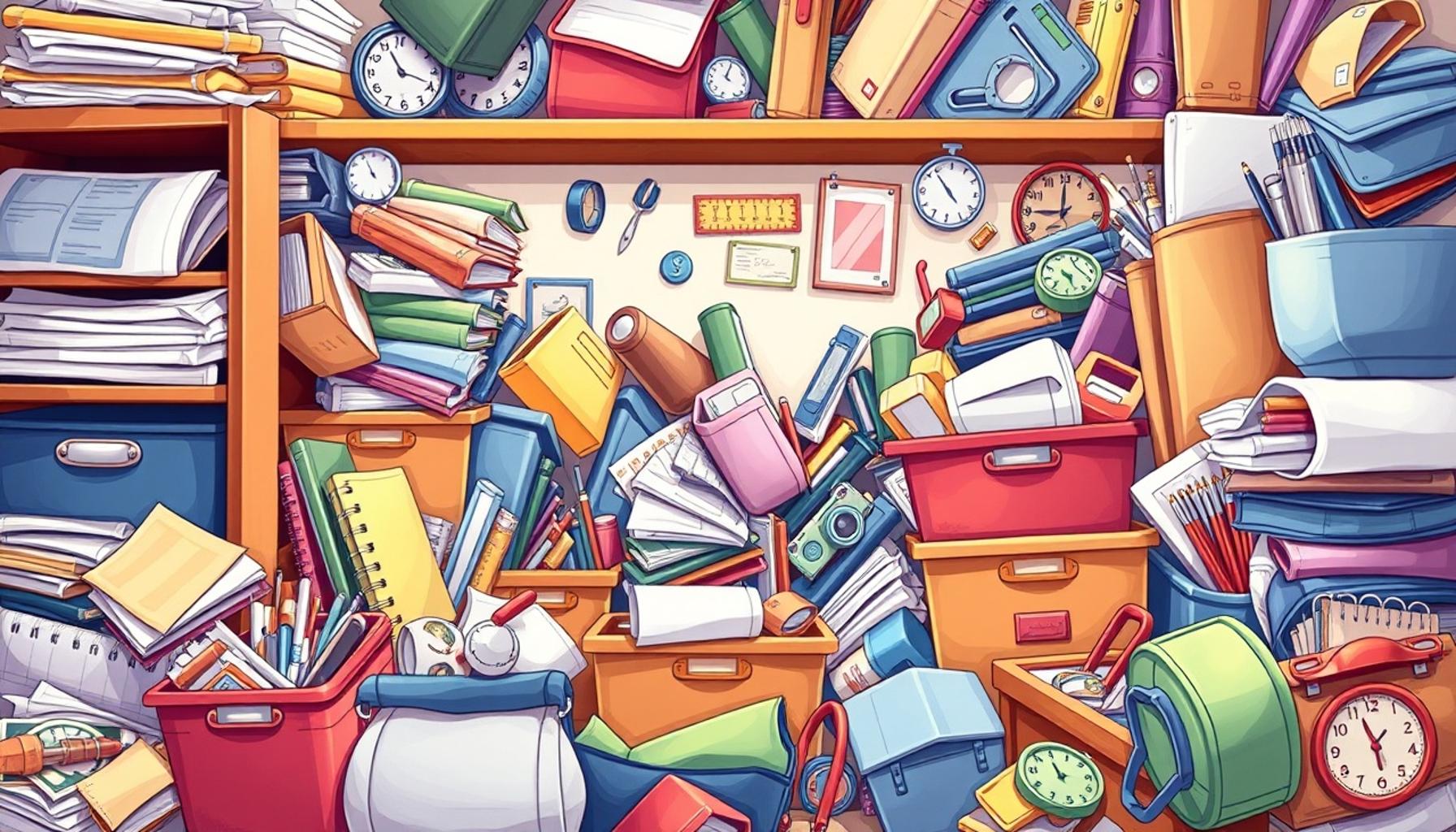
In many households across the United States, the issue of clutter extends beyond mere chaos—it impacts mental well-being. This phenomenon is not just about disordered spaces; it reflects deeper lifestyle complexities. The average American home is burdened with a staggering collection of over 300,000 items, which equates to a plethora of distractions. To contextualize, if each item took just a minute to find, locating lost possessions would amount to over 200 hours a year—a significant chunk of time that could be better spent enriching our lives.
With the staggering statistic that approximately 80% of Americans report stress stemming from clutter, it becomes evident that simplifying our surroundings has powerful implications for mental clarity. When our physical environment is disorganized, it often translates to an overwhelmed state of mind, which can hinder productivity and well-being. Therefore, rethinking our approach to our possessions is essential for cultivating not only an organized space but also a more serene and functional lifestyle.
Strategies for a Sustainable Decluttering Process
Implementing effective strategies to combat clutter requires intention and a systematic approach. By incorporating sustainable habits into your routine, you can significantly reduce the buildup of excess belongings.
- Decluttering regularly: Schedule consistent decluttering sessions, perhaps once a month. During these sessions, assess each room and identify items that no longer serve a purpose. Donate, recycle, or throw away items to maintain a manageable level of belongings.
- Adopting the “one in, one out” rule: This straightforward method encourages mindfulness about consumption. For every new item you introduce into your home, consider removing an old item. This not only helps keep clutter at bay but also encourages thoughtful purchasing decisions.
- Organizing digital spaces: Our digital lives can become just as cluttered as our physical spaces. Aim to carve out time to manage files, emails, and photos on your devices. Consider categorizing files, deleting duplicates, and utilizing cloud storage effectively to streamline access to important documents.
These strategies exemplify just a few ways to tackle the clutter challenge head-on. As you embark on the journey toward a tidier home, it is important to recognize that these practices promote a shift in perspective. Rather than viewing decluttering as a daunting task, consider it an opportunity for personal liberation and mental clarity. By embracing these sustainable habits, you not only enhance your living environment but also contribute positively to your overall well-being, leading to a more fruitful and focused life.
The Path Forward
Ultimately, the quest for organization is an ongoing process that adapts to life’s ebb and flow. Embracing these strategies encourages a proactive mindset and equips individuals with the tools to combat clutter effectively. As more people recognize the connection between organization and mental clarity, this movement towards mindfulness in our physical and digital spaces becomes increasingly relevant.
Understanding the Impacts of Clutter
Beyond just the physical mess, clutter can have pervasive effects on our mental and emotional health. Navigating through disorganization not only consumes valuable time but also leads to increased stress levels. Numerous studies highlight that a cluttered environment can elevate cortisol levels, the hormone associated with stress, further exacerbating feelings of anxiety and overwhelm. The University of California, Los Angeles (UCLA) conducted research indicating that women with cluttered homes reported higher levels of fatigue and depression than those living in tidy spaces. Therefore, addressing clutter is fundamentally about more than just aesthetics—it is about fostering a supportive environment conducive to well-being.
Moreover, clutter can hinder creativity and productivity. When faced with a chaotic environment, it becomes challenging to focus and think clearly. Even the simple act of searching for essential items can become an ordeal, pulling your attention away from more important tasks. According to a study by the National Association of Professional Organizers, approximately 54% of Americans feel overwhelmed by the amount of clutter they have, leading to procrastination on tasks that could benefit from a more organized backdrop. For many, the connection between their surroundings and their ability to function effectively is undeniable.
Implementing Sustainable Decluttering Practices
To combat the debilitating effects of clutter, adopting sustainable decluttering practices is essential. These methods not only help create a more organized space but also instill lasting habits that promote ongoing tidiness. Here are several strategies that can pave the way:
- Establishing a decluttering routine: Finding a set time each week or month to declutter can transform this often-daunting task into a manageable habit. Start with a single category of items, such as clothing or kitchenware, and gradually work through your belongings.
- Mindful purchasing: Before acquiring new items, consider their necessity and durability. This can involve asking yourself questions like, “Do I truly need this?” or “Where will this item live?” This conscious decision-making can significantly reduce clutter accumulation.
- Utilizing storage solutions: Investing in organizational tools, such as baskets or shelving units, can help maintain order. Remember to designate specific locations for each item, making it easier to return items to their rightful spots after use.
These practices emphasize the importance of creating a culture of sustainability within our homes. When individuals frequently engage in decluttering and organization, it becomes less of a chore and more of a lifestyle choice. By fostering these sustainable habits, we not only advance prosperity in our living spaces but also promote mental clarity and well-being.
The Ripple Effect of Organization
As we embrace sustainable habits in our lives, we can expect positive ripple effects that extend beyond our immediate environment. A well-organized space encourages efficiency, boosts our mood, and creates an atmosphere where creativity can thrive. By working through the clutter challenge with dedication and mindfulness, individuals equip themselves to face life with renewed vigor, armed with a sanctuary that reflects their aspirations and values.
| Category | Benefits |
|---|---|
| Sustainable Organizing Techniques | Promotes an eco-friendly approach while reducing clutter. |
| Improved Mental Clarity | Less clutter leads to lower stress levels and enhanced focus. |
The journey towards a more organized life is often paved with innovative strategies that not only declutter physical spaces but also foster sustainable habits. Implementing sustainable organizing techniques can radically shift how individuals perceive clutter. By utilizing eco-friendly materials and minimizing waste, people cultivate spaces that honor both their organization needs and environmental responsibility. This shift not only helps the planet but creates a personalized approach that resonates with the core values of conservation.Furthermore, tackling the Clutter Challenge has profound mental health benefits. With an organized space, individuals often experience improved mental clarity. Studies reveal that clutter can contribute significantly to stress and anxiety, thereby creating a chaotic mind mirrored by their surroundings. As individuals actively engage in this challenge, they may discover enhanced focus and creativity, leading to improved productivity in both personal and professional realms. This transformational experience is not merely about achieving a tidy home but significantly impacts one’s overall well-being.
Motivating Yourself Through Community Involvement
While decluttering can be a personal journey, seeking motivation and accountability through community involvement can significantly enhance the process. Engaging with others who share similar goals creates a sense of solidarity, making it easier to tackle the clutter challenge together. Online forums, local decluttering groups, or social media communities provide support and encouragement, fostering an environment conducive to sustainable habits.
For example, organizing a community swap event can allow individuals to declutter while also exchanging items they no longer need. This not only addresses the question of what to do with unwanted belongings but also promotes sustainability through reuse. Studies have shown that communal activities can build camaraderie and accountability, leading to more consistent decluttering practices. According to a survey conducted by the National Institute of Health, individuals who participate in community-driven initiatives are more likely to follow through on their personal commitments, including those related to organization and sustainability.
The Role of Minimalism in Decluttering
Minimalism, a lifestyle choice that emphasizes simplicity and intentionality, has gained traction as a countermeasure against the clutter epidemic. By focusing on owning fewer possessions but of higher quality, individuals can simplify their lives, making organization easier. The minimalist movement encourages one to assess their belongings critically, leading to a more thoughtful purchase practice and, ultimately, a more organized space.
For instance, the famous “30-Day Minimalism Game,” popularized by minimalists Joshua Fields Millburn and Ryan Nicodemus, challenges participants to rid themselves of one item on the first day, two items on the second day, and so on for thirty days. This game not only ignites a fun and competitive spirit but provides tangible results, motivating participants to embrace ongoing decluttering habits. Statistics show that minimalist approaches can reduce stress and enhance overall satisfaction with one’s environment, promoting both emotional and physical well-being.
- Creating a capsule wardrobe: This concept advocates for a curated collection of clothing that can be mixed and matched to create various outfits. By limiting the number of pieces while maximizing versatility, individuals can reduce wardrobe clutter and streamline decision-making.
- Digital organization: Clutter isn’t limited to physical spaces. Consider the digital domain—emails, files, and photos also require attention. Implementing strategies, such as regular digital purges and organizing files for easy retrieval, can make a significant difference in overall clarity.
Recognizing Emotional Attachments
A significant hurdle in the decluttering process often stems from emotional attachments to items. Whether it’s a childhood toy or a gift from a loved one, memories and feelings can create resistance to letting go of things that no longer serve a purpose. Understanding this emotional dimension is crucial in overcoming barriers to decluttering.
Psychologists suggest adopting a “keep, donate, discard” method, where individuals assess each item based on its sentimental value versus its utility. They can ask themselves questions like, “Does this item bring me joy?” or “Is it worth the space it occupies?” Such reflective practices not only promote decision-making but also aesthetically influence the decluttering process by ensuring that remaining items contribute positively to one’s home environment.
By integrating these approaches, individuals can cultivate sustainable habits that transform clutter management from an occasional chore into a lifelong practice, enriching their overall quality of life.
Conclusion
The journey toward a clutter-free life is not just about tidying up physical spaces; it is about cultivating sustainable habits that enhance our quality of life. As explored in this article, the interplay between community involvement, minimalist philosophies, and understanding emotional attachments is critical in overcoming the clutter challenge. By fostering connections with others sharing similar goals, individuals can find accountability, motivation, and a sense of purpose that transforms decluttering into a collaborative endeavor.
Moreover, embracing minimalism and intentionality can significantly streamline personal environments. The use of strategies like the “30-Day Minimalism Game” can result in tangible progress, ultimately leading to reduced stress and improved well-being. As we consciously evaluate our belongings, engaging with the “keep, donate, discard” framework allows us to create spaces filled only with items that bring joy and utility.
In an era where the clutter epidemic is prevalent, recognizing that decluttering is a continuous process rather than a one-time event is crucial. Creating sustainable habits that prioritize simplicity, community, and emotional clarity enables individuals to achieve enduring organization not only in their homes but also in their minds. For those embarking on this journey, each small step taken in decluttering contributes to the greater goal of crafting a balanced, fulfilling life. Consider this not merely as a challenge but as an enriching opportunity to rediscover what truly matters and embrace a lifestyle of organization and mindfulness.
Related posts:
The Psychology of Clutter: How Mess Affects Our Mental Health and Well-Being
Digital Organization: Tips for Controlling Clutter on Electronic Devices
The Impact of Clutter on Productivity: How an Organized Environment Can Increase Your Efficiency
Minimalism and Sustainability: How Reducing Clutter Contributes to an Eco-Friendly Lifestyle
How Clutter Control Can Improve Relationships: Creating Pleasant Living Spaces
Clutter Control in the Digital Era: Techniques to Maintain Order in a Connected World

Linda Carter is a writer and organization expert specializing in minimalism and personal organization. With extensive experience helping individuals create clutter-free, functional spaces and adopt mindful habits, Linda shares her knowledge on our platform. Her goal is to empower readers with practical advice and strategies to simplify their lives, stay organized, and achieve a sense of calm and balance in their daily routines.