The Role of Technology in Optimizing Minimalist Spaces: Apps and Gadgets that Facilitate Organization
The Allure of Minimalism in a Cluttered World
As daily life becomes inundated with distractions and excess, minimalism emerges as not just a trend but a lifestyle shift that prioritizes simplicity. Leveraging technology in this context does not merely support a minimalist aesthetic; it plays a transformative role in how we manage and organize our environments. With modern solutions at our fingertips, it becomes easier than ever to create spaces that are both functional and visually appealing.
Benefits of Technology in Minimalist Living
The integration of technology in minimalist settings ushers in numerous benefits, enhancing our daily routines and overall well-being. Some key advantages include:
- Streamlined organization: Smart technology not only helps in organizing spaces but also reduces the time it takes to do so. For example, smart shelving units can be adjusted to fit the exact dimensions of your belongings, thereby maximizing your storage efficiency.
- Increased productivity: With the influx of task management apps like Todoist or Trello, individuals can keep track of their responsibilities without the clutter of physical notes or reminders. This digital approach to productivity encapsulates the minimalist philosophy of reducing what is unnecessary.
- Enhanced aesthetic appeal: Devices like smart speakers or sleek wireless chargers blend seamlessly into decor, proving that technology does not have to clash with minimalist aesthetics.
Innovative Tools Shaping Minimalist Living
To champion the minimalist lifestyle, several exciting innovations have emerged that marry technology with simplicity:
- Smart storage solutions: Companies like IKEA now offer smart furniture that can automatically adjust to accommodate different needs. These multifunctional pieces help declutter spaces by serving multiple purposes.
- Decluttering apps: Apps like Decluttr and Sortly facilitate the decluttering process by providing users an interface to manage their possessions digitally. They allow users to categorize items, set goals for donating or selling possessions, and track their progress.
- Home automation systems: Smart home technologies, such as Google Home or Amazon Echo, allow for voice-activated control of lighting, security, and temperature. This not only reduces physical clutter from various devices but also simplifies daily tasks, promoting a cleaner and more organized environment.
Conclusion: A New Approach to Living
As we navigate the intersection of technology and minimalist design, the tools and applications available empower individuals to curate spaces that echo the minimalist ethos. This amalgamation of modern tech and simplicity is not merely about reducing possessions—it’s about enhancing the quality of our daily lives. Through innovative technologies, we can discover profound strategies that foster serenity in our homes, ultimately leading to a more fulfilled and organized life. The journey towards minimalism, aided by technology, invites everyone to explore these enriching possibilities and embrace a lifestyle that champions simplicity, clarity, and peace.
Exploring the Intersection of Technology and Minimalism
The simplification of our living spaces has never been more relevant, especially as the majority of Americans strive for improved mental clarity and well-being through minimalist living. Technology acts as a guiding light in this journey, providing practical solutions to streamline our environments and reducing the mental load that often accompanies a cluttered lifestyle. With a myriad of apps and gadgets available, individuals can effortlessly maintain an organized home while adhering to the principles of minimalism.
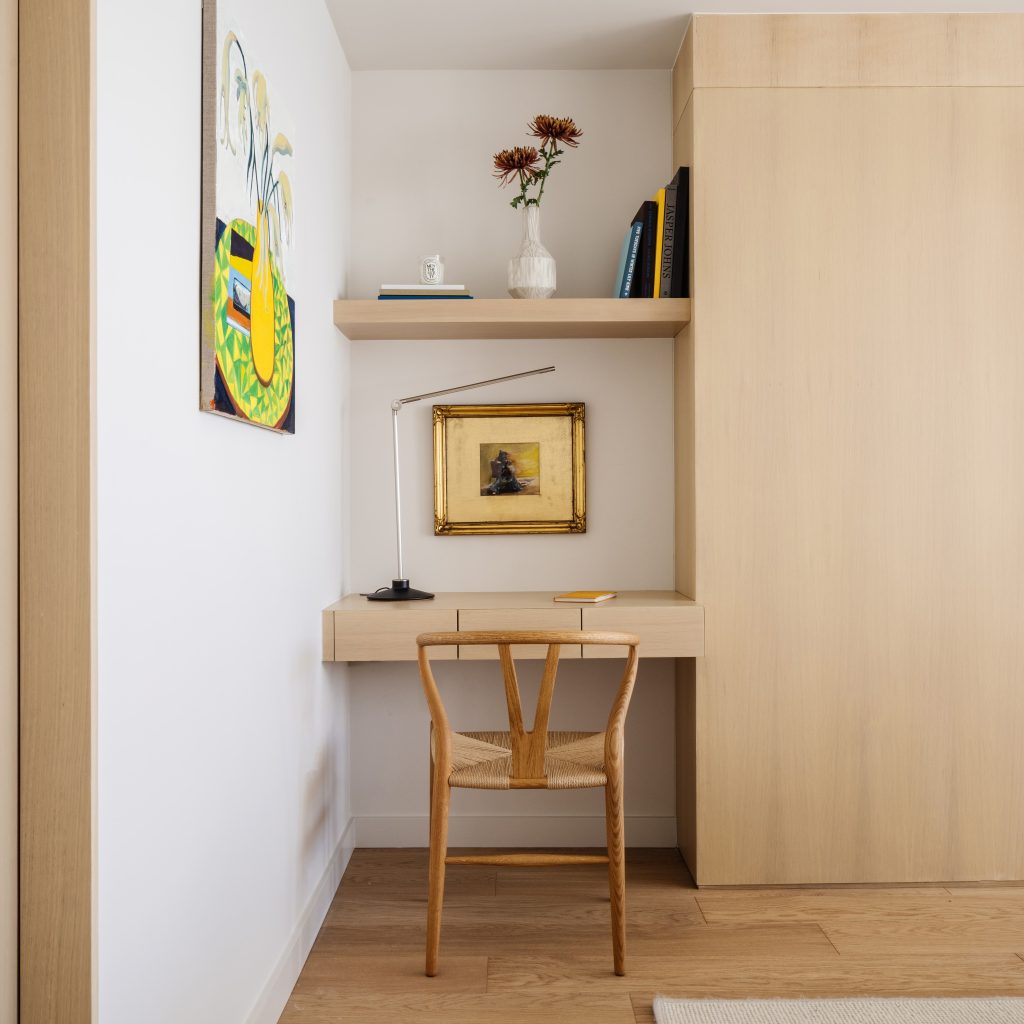
The Digital Revolution: Facilitating Minimalist Organization
One of the most appealing aspects of technology in minimalist living is its ability to enhance efficiency. The proliferation of home organization apps and smart devices helps users not only to declutter but also to maintain an organized space over time. Here are several innovative tools contributing to this transformative approach:
- Room Measurement Apps: Applications like Magicplan and Home Design 3D allow users to take accurate measurements of their spaces quickly and effectively. This capability facilitates informed decisions when incorporating minimalist furniture and organizing their belongings, ensuring optimal use of available square footage. For instance, a family looking to downsize can visualize potential layouts before purchasing items, ensuring each piece serves a purpose and fits the space.
- Inventory Management Tools: Solutions like Sortly and MyStuff2 help users track their belongings digitally. These applications allow individuals to create visual catalogs of their possessions, making it easier to identify redundant items that can be sold or donated. This plays a vital role in aligning their possessions with minimalist ideals, promoting a lifestyle defined by intentionality and clarity.
- Smart Home Devices: From smart thermostats to advanced lighting systems, technology works hand-in-hand with minimalism to reduce unnecessary items while improving energy efficiency. For instance, Philips Hue smart bulbs not only conserve electricity by adjusting to user preferences but also enhance the ambiance of modern, minimalist interiors with customizable color and brightness settings. This dual functionality minimizes the need for multiple lighting fixtures, thus reducing clutter.
Seamless Integration: Minimizing Physical Clutter
Moreover, the ultimate objective of embracing technologies in minimalist living is to create a space that feels open and calm. Smart storage solutions, such as the IKEA MALA storage box, cleverly conceal clutter while also being multifunctional. These designs can sometimes double as seating or decorative pieces, which integrate seamlessly into minimalist aesthetics. Similarly, tool sets that consolidate various product needs, such as multi-device charging stations, ensure that essential gadgets remain easily accessible yet out of sight, promoting a tidy atmosphere without compromising functionality.
As technology continues to evolve, the relationship between our digital lives and physical spaces becomes ever more crucial. This synergy is redefining how we perceive organization and functionality in minimalist living. With constant advancements in technology, future solutions may provide even deeper integration of our digital and physical environments, making it easier than ever to achieve and maintain a minimalist lifestyle.
In conclusion, technology not only supports minimalism but also encourages a forward-thinking approach to organization and space utilization. Whether through innovative apps that simplify decision-making or smart devices that enhance everyday living, the intersection of technology and minimalism opens up a pathway toward refreshed living that benefits both the mind and environment.
The Role of Apps in Creating Efficient Minimalist Spaces
Integrating technology into minimalist living is increasingly popular, with numerous apps designed to streamline our organizational habits. For instance, task management tools like Trello and Todoist allow users to prioritize daily responsibilities effectively. By creating a structured list of priorities, these apps help minimize clutter in both physical and virtual spaces. Users can allocate specific tasks to certain days, promoting a sense of order that aligns with minimalist principles.Moreover, digital note-taking apps like Evernote and Notion offer versatile solutions for maintaining a minimalist lifestyle. These platforms enable users to store important information and ideas without the mess of physical notebooks. Their tagging and searching features allow for easy access, eliminating the frustration of searching through clutter. Such functionality embodies the minimalist ethos, encouraging users to let go of unnecessary items and stick to essentials.
Smart Gadgets that Embrace Minimalism
The emergence of smart home technology is another game-changer for optimizing minimalist spaces. Devices like smart speakers and automated lighting systems not only reduce physical clutter but also enhance convenience. For example, smart speakers like the Amazon Echo can manage daily tasks, control other smart devices, and provide entertainment—all while maintaining a tidy environment. This reduction in manual effort and distraction aligns perfectly with minimalist goals.Furthermore, intelligent storage solutions, such as modular furniture and under-bed storage systems, are essential gadgets for maximizing space efficiency. These allow homeowners to keep their belongings organized without compromising the open feel of minimalist design. By utilizing smart technology to create multifunctional spaces, individuals are empowered to embrace a lifestyle centered around simplicity and functionality. Integrating these apps and gadgets results in a harmonious coexistence between technology and minimalist living, creating a sanctuary of organization and tranquility. The benefits of employing such technologies extend beyond mere aesthetics; they contribute to a streamlined, focused lifestyle where each piece serves a meaningful purpose. By exploring these tools, readers can discover how technology supports their journey towards a more minimalist way of life.
Reimagining Spaces: How Technology Promotes Flexibility and Adaptability
In the age of rapid change, flexibility and adaptability are essential themes for minimalist living, and technology plays a significant role in achieving this. The emergence of innovative gadgets and smart solutions facilitates not just a more organized space but also invites a dynamic lifestyle that evolves with the user’s needs. By embracing versatile tools, individuals can create an environment that seamlessly adjusts to various activities, whether working from home, entertaining guests, or enjoying quiet time alone.
Smart Furniture: Merging Functionality with Aesthetic
One of the most fascinating trends in minimalist design is the rise of smart furniture that combines beauty with utility. Pieces like the FurniQi smart desk and Transforming furniture platforms provide adaptability without sacrificing style. These multi-functional items transform easily to suit different needs — for example, folding desks can convert from a compact workspace to a dining surface, allowing users to optimize square footage in tight living quarters. Such pieces not only reduce the need for multiple items but also embody the minimalist ethos of ‘less is more.’
Virtual Assistant Integration: Streamlining Daily Routines
The adoption of virtual assistants like Amazon Alexa and Google Assistant further streamlines daily routines within minimalist spaces. By integrating these technologies, household tasks like shopping, reminders, and even controlling smart home devices become effortless. For instance, voice-activated grocery lists can help users track what they truly need while minimizing impulse purchases, ultimately supporting a clutter-free kitchen. Moreover, paired with task management tools like Todoist or Evernote, individuals can create a streamlined approach to both home management and personal organization. The result is a harmonious living space free from distractions and excess.
Digital Decluttering: Embracing a Minimalist Approach Online
Minimalism extends beyond physical items to also encompass our digital lives. Apps like Unroll.me help users manage email subscriptions and declutter their inbox, promoting a more organized online presence. Similarly, cloud storage solutions such as Dropbox and Google Drive enable individuals to keep important documents accessible without taking up physical space. This digital decluttering not only enhances productivity but also fosters a clear mind aligned with minimalist values.
Augmented Reality: Visualization for Better Decision Making
Another technological advancement reshaping minimalist living is augmented reality (AR). Tools like Houzz and IKEA Place allow users to visualize how potential purchases will fit into their spaces before making the commitment to buy. This reflective decision-making process prevents unnecessary clutter from accumulating and encourages intentional acquisition of items that truly enhance the space. With AR technology, individuals can experiment with layouts and furnishings virtually, making it easier to adhere to minimalist principles of functionality and purpose.
As we dive deeper into the evolving relationship between technology and minimalist spaces, it becomes evident that digital solutions provide more than just organization—they offer a holistic approach to living that encourages thoughtful consumption and intentional design. With each passing day, technology continues to push the envelope in creating user-friendly systems that support the aspirations of those pursuing a minimalist lifestyle.
Conclusion: Embracing Technology for Thoughtful Minimalism
In today’s fast-paced world, the integration of technology in minimalist spaces provides a unique opportunity to enhance both functionality and aesthetics. As explored throughout this article, innovative gadgets and specialized apps play a crucial role in optimizing organization, encouraging us to embrace a lifestyle of intentionality and simplicity. From smart furniture that flexibly adapts to our various needs, to virtual assistants simplifying our daily routines, technology has become an indispensable companion in creating harmonious living environments.
Moreover, the rise of digital decluttering tools offers a seamless way to manage our online presence, reinforcing the minimalist philosophy of ‘less is more’ in every facet of our lives. As we delve into the realm of augmented reality, our ability to make informed purchasing decisions ensures that every item we introduce into our spaces serves a specific purpose, thereby preventing clutter and fostering peace of mind.
Ultimately, the synergy between technology and minimalism not only cultivates a more organized living environment but also nurtures a mindset focused on mindful consumption. As individuals continue to adopt these advanced solutions, the landscape of minimalism will not only evolve but thrive, challenging us to rethink space utilization in a more connected and resource-conscious manner. As we embrace these innovations, let us remain committed to the principles of minimalism, fostering a lifestyle that is not just visually appealing but also deeply enriching.
Related posts:
The Art of Living with Less: Organization Techniques for Compact Spaces
Multifunctional Spaces: How Minimalism Transforms Environments Into Versatile and Functional Areas
Smart Storage Solutions: Multifunctional Furniture for Minimalist Environments
Creating Functional Environments: Space Optimization Strategies Inspired by Minimalism
Demystifying Minimalism: How to Select What Truly Matters in Your Space
Functional Organization: How Minimalism Contributes to Space Efficiency

Linda Carter is a writer and organization expert specializing in minimalism and personal organization. With extensive experience helping individuals create clutter-free, functional spaces and adopt mindful habits, Linda shares her knowledge on our platform. Her goal is to empower readers with practical advice and strategies to simplify their lives, stay organized, and achieve a sense of calm and balance in their daily routines.